Nicest Compliment I ever Received

Last week I received a message in my Instagram messaging page. I’m small potatoes on Instagram as I only have a few thousand followers, so I don’t get many messages. The ones I do get, the majority of them are some sort of spam bullshit trying to hack my account, so I usually don’t pay much attention to them.

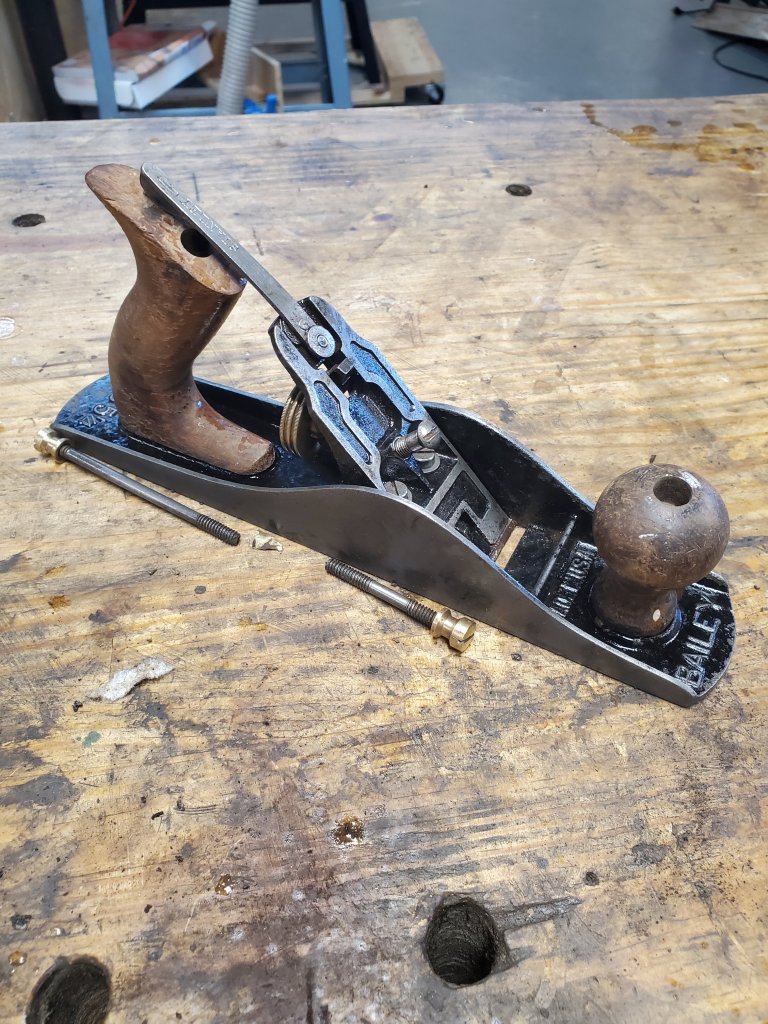
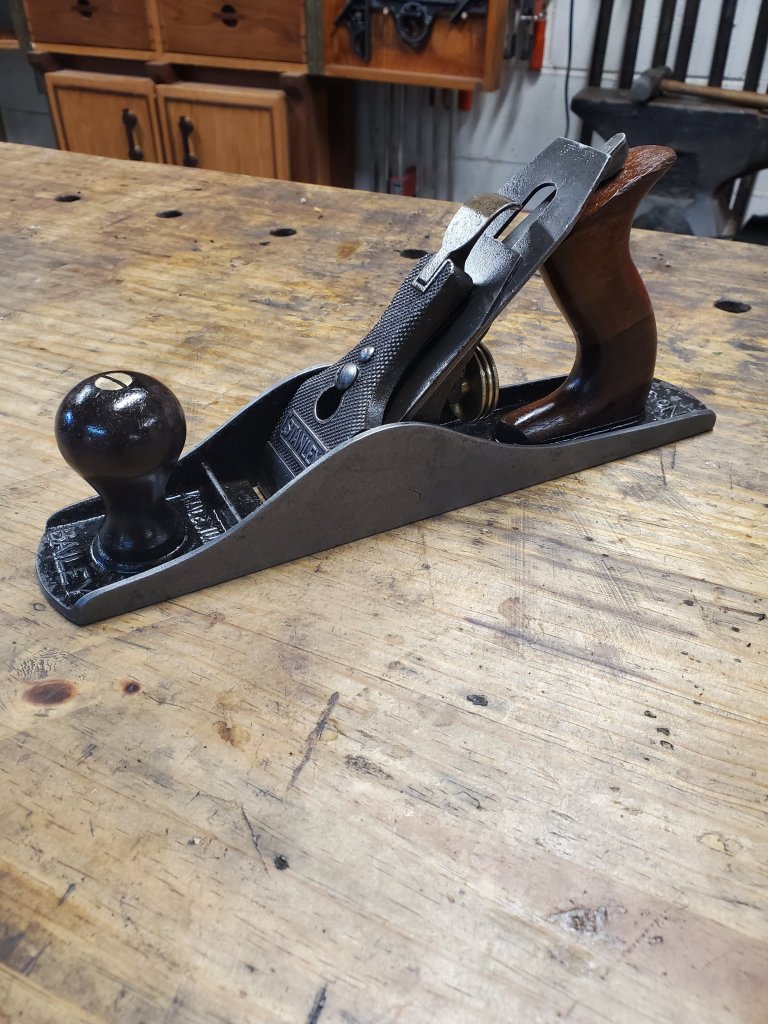
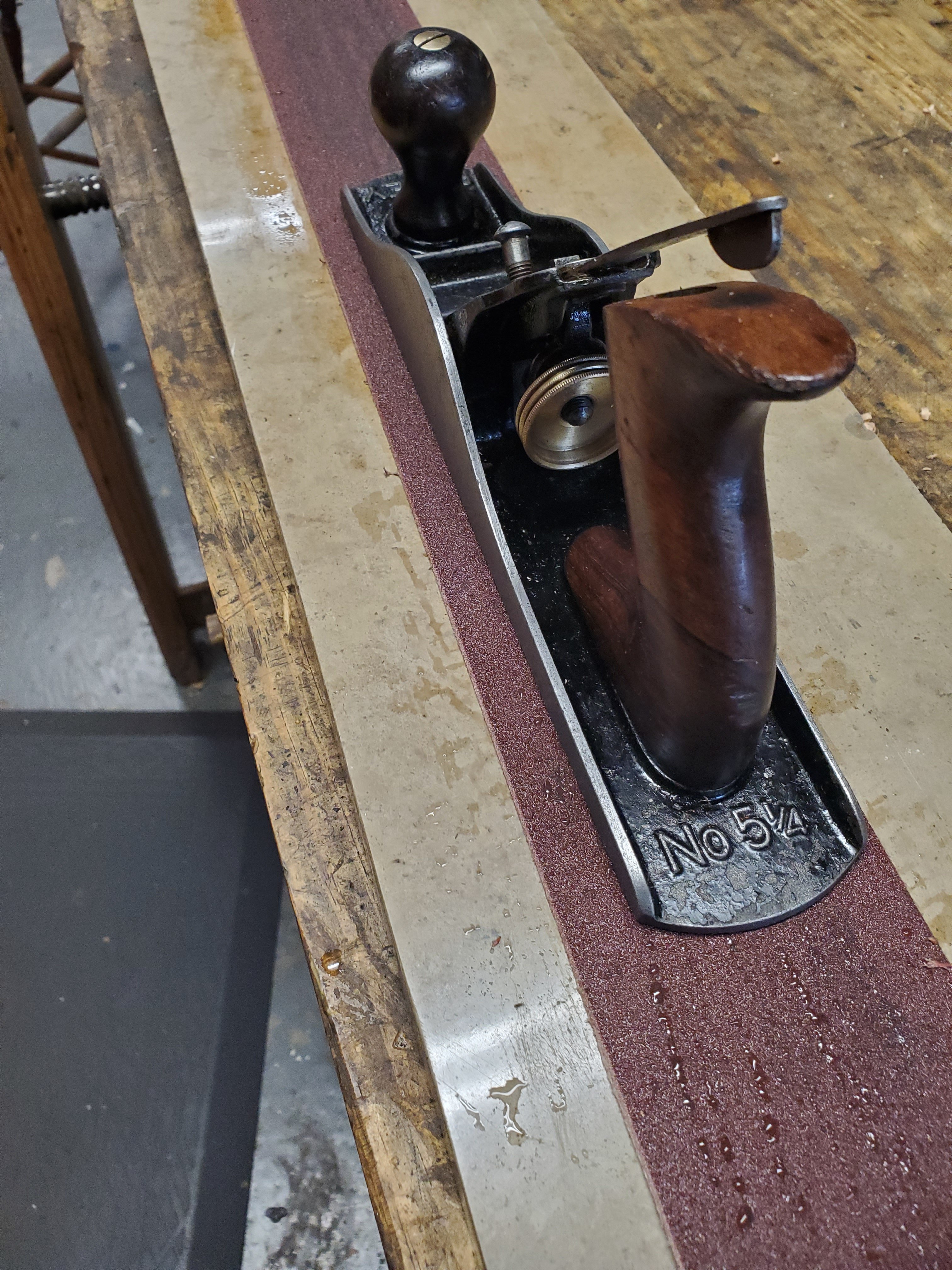
However this time, the message was from one of my followers. Johnson21800 sent me a couple of pictures of his Great Grandad’s Stanley No 32 Jointer Plane. He said he was so inspired by my posts on restoring tools, he decided to restore his Great Grandad’s plane.

Here’s the plane all cleaned up and restored. I think Peter does a better job than I do!

The fact that Peter would send me pictures of his plane that he restored after watching my feed humbles me. It makes feel good inside that I inspire people to restore and use these old tools that just sit around collecting dust. It’s pretty much the reason I post so many antique tools on Instagram.

Lie-Nielsen vs Stanley No 140 Plane

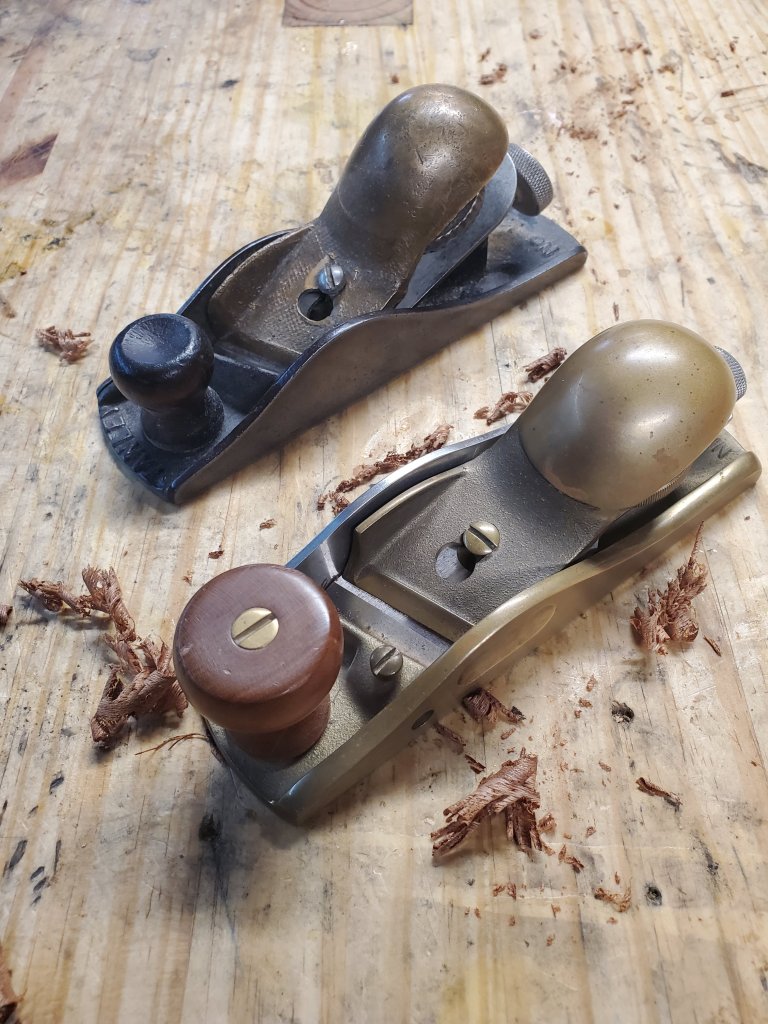
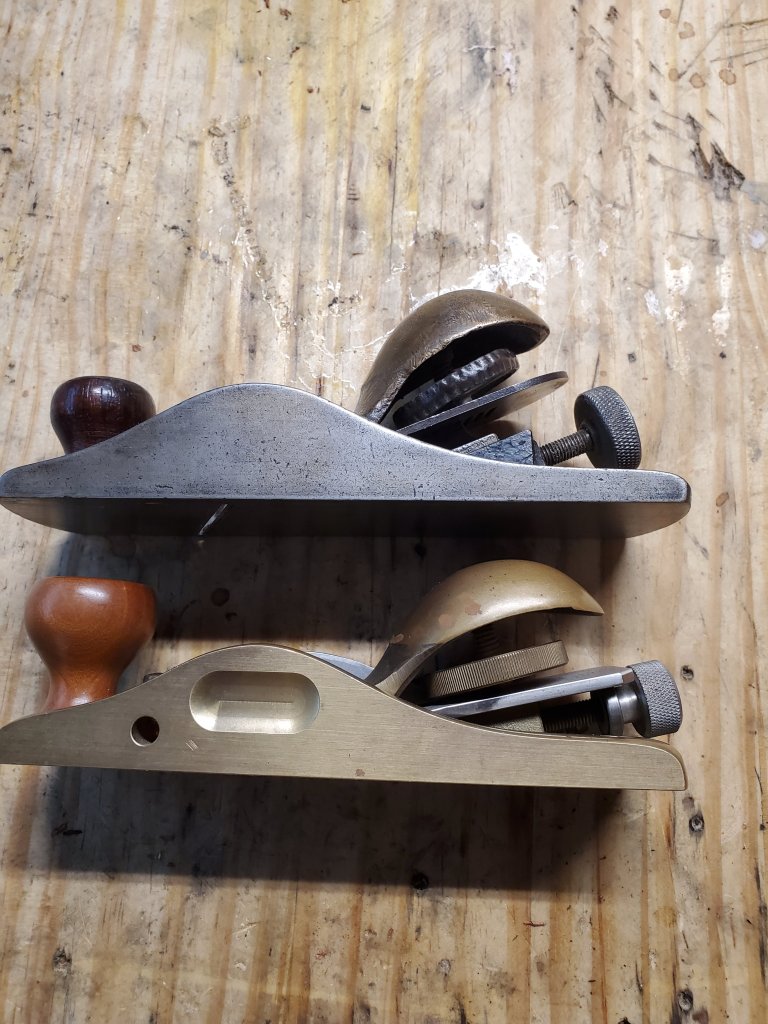
Apparently, Hell has frozen over as I bought a Lie-Nielsen plane. I never thought I would own one as restoring old Stanley’s is my gig but, I found this at an antique mall and couldn’t resist even though I already own a Stanley No 140 Rabbet Plane.

The two planes are very similar to eachother with the biggest difference is that L-N is a low angle plane. The other differences is that L-N has a thicker blade made from A2 tool steel, a cutter on the side to slice the wood fibers when using it across the grain, and a fence. This plane’s fence was missing so, I contacted Lie-Nielsen to see if a replacement fence could be bought. They told me to send them a picture of the plane to make sure it is the current version they produce. After they saw the picture I sent, they informed me that their fence probably won’t work as my plane is the earlier version. Oh well, I never wished my Stanley No 140 had a fence so maybe I would never use it anyway.

The planes are nearly identical in size as well, with Lie-Nielsen being a touch smaller. However, the Lie-Nielsen is a little bit heavier since it’s made of bronze as opposed to cast iron. The Lie-Nielsen feels much nicer in your hand. You can tell the difference in quality between the two as soon as you hold it.

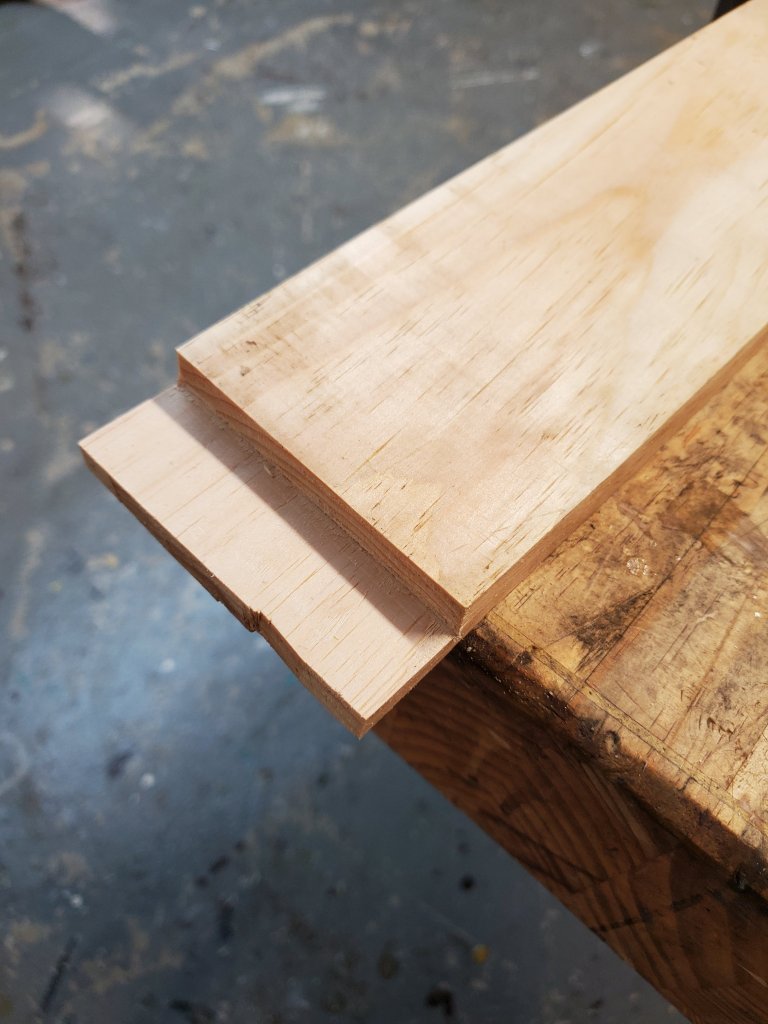
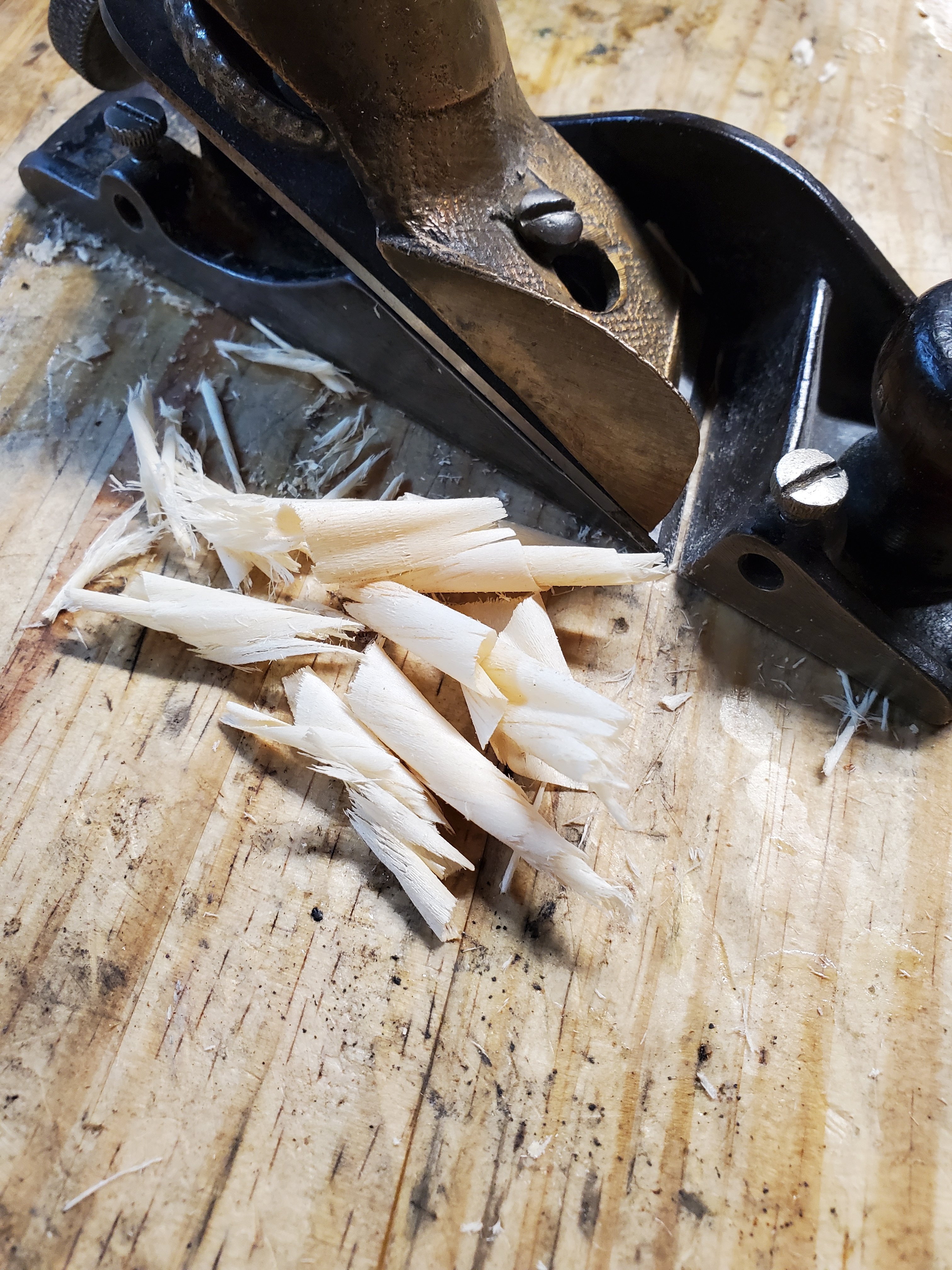
I wanted to see the difference of how each plane cuts, so I grabbed a piece of white pine and chopped a rabbet on the end. I then planed the rabbet clean with each plane.

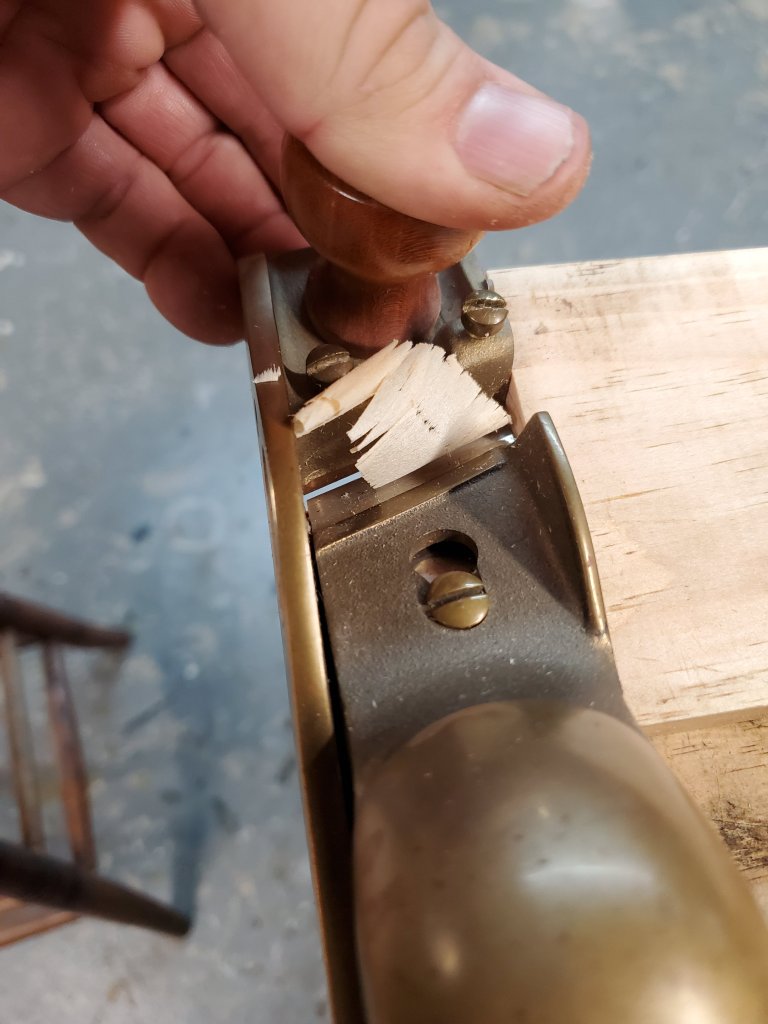
The Lie-Nielsen cut extremely well as it shaved the wood fibers like butter. Lie-Nielsen planes are extremely well made and worth the extra money if you’re not interested in restoring old Stanley planes.

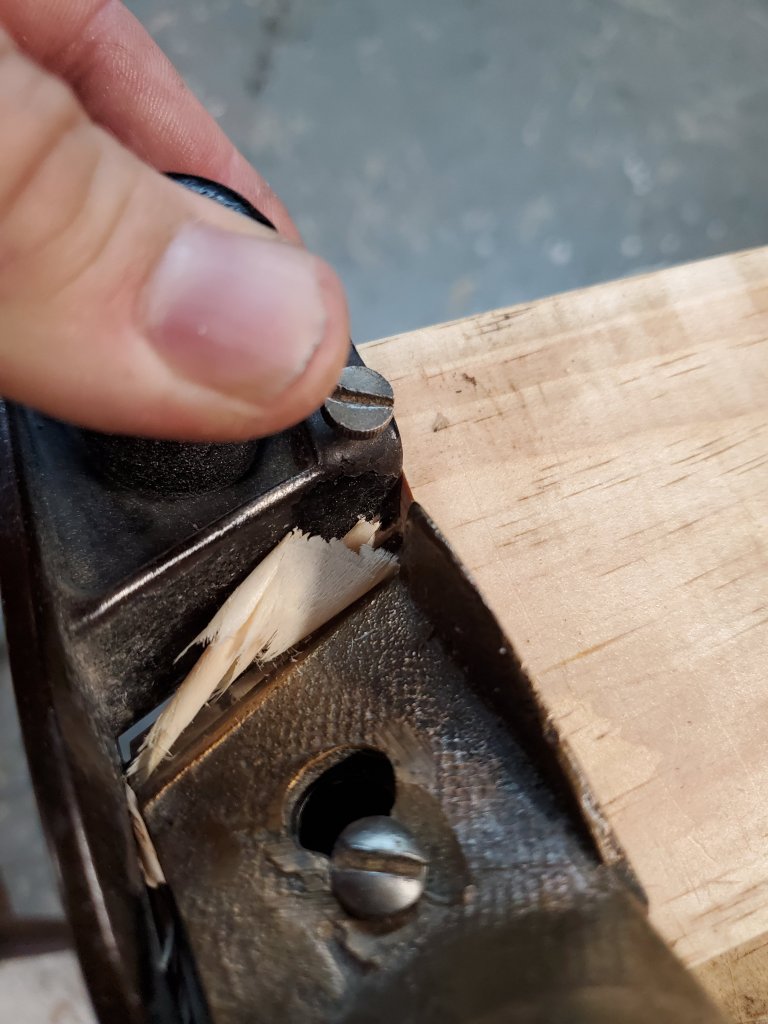
My tuned up Stanley No 140 also cut the wood fibers well. Not quite as nice as Lie-Nielsen but well enough to get the job done. You can see the shavings between the two planes are nearly identical. My Stanley No has user made bronze lever cap. It works so I never replaced it with a real lever cap. I’m cheap!
So, which is better? Lie-Nielsen wins hands down however, the price of the plane is nearly triple than that of a Stanley No 140 plane. You can find old Stanley No 140’s on eBay for around $100-150. Lie-Nielsen lists their No 140 for $385 on their website but is currently out of stock. Some used Lie-Nielsen No 140 planes have sold on eBay for over $500.

Whether or not the Lie-Nielsen is worth the extra money is up to you. Honestly, if I was a professional woodworker, I would buy Lie-Nielsen planes and depreciate their expense on my income statements. Being able to depreciate your tools is one of the nice benefits of being a pro. It’s no wonder why Lie-Nielsen tools are on backorder.

I Did It! Quercus Magazine

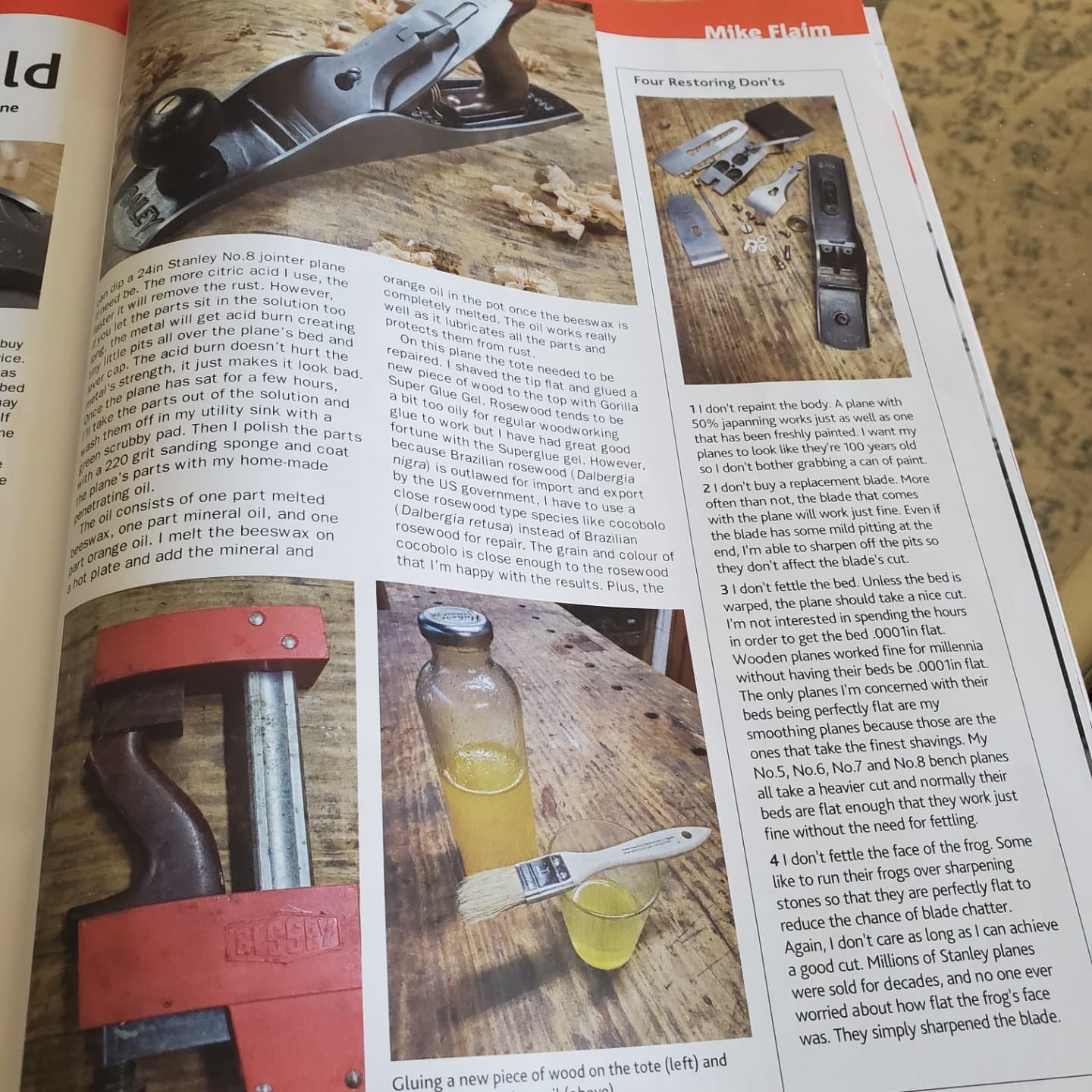
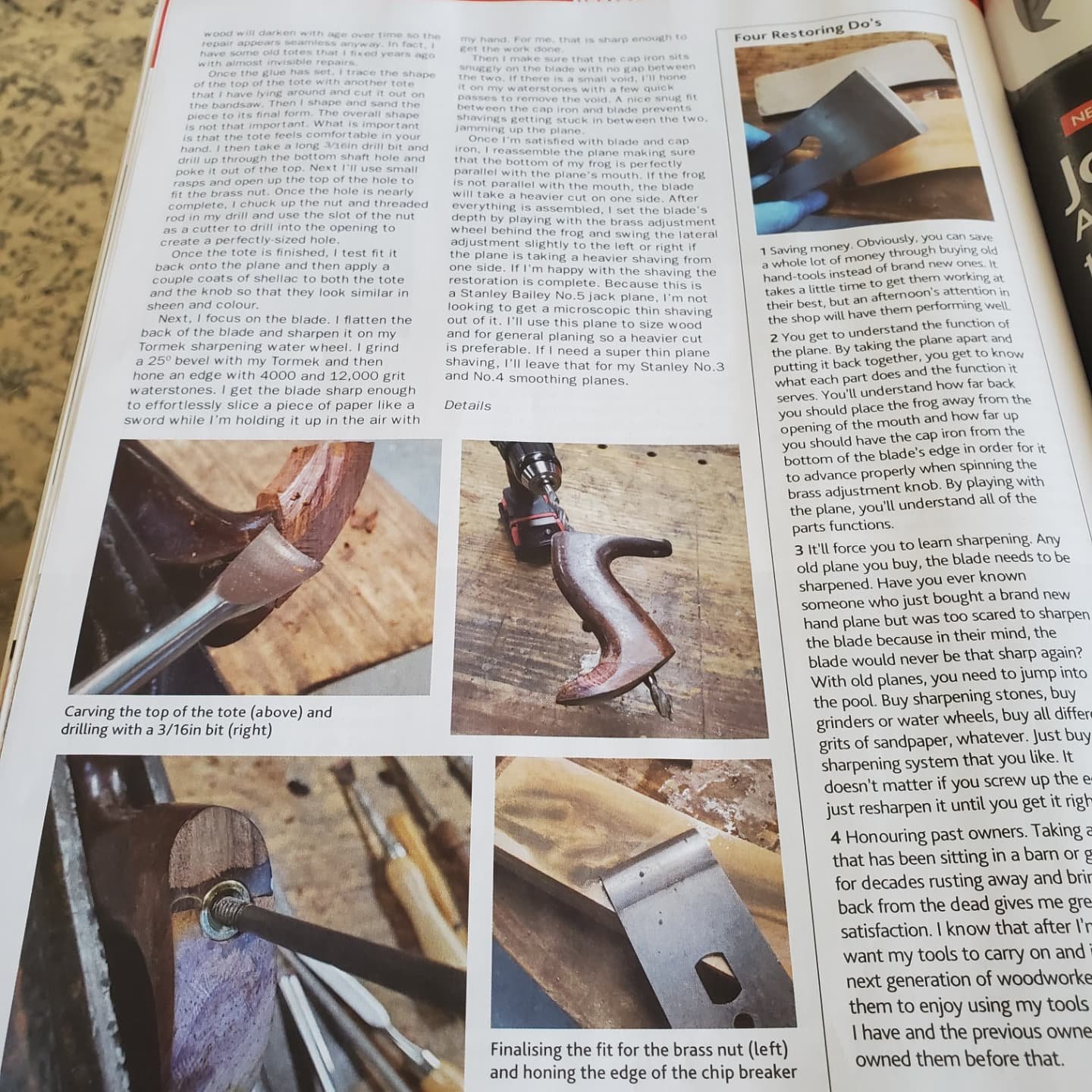
Well, I finally wrote an article for a woodworking magazine. It’s called Quercus and it’s based in the UK. I was asked by the editor Nick Gibbs through Instagram if I would be interested in writing an article about how and why I restore old planes. I jumped at the chance as writing for a woodworking magazine has always been a dream of mine.

I restored an old Stanley No 5 plane and documented my progress, then wrote out my article the same way as I write a blog, then sent him the file along with the pictures. It took a few months for the article to get published but, I’m in the magazine along with Paul Sellers.

When I received my copy, I was amazed by the content that was in it. The magazine features woodworkers from all around the world and their process of how and why they work with wood. There’s not too many “How To” articles and the magazine primarily focuses on hand tool woodworking so, don’t expect an article about “Building the Perfect Router Table” in it. The only other magazine that I would compare to it would be Mortise and Tenon magazine.

This is the plane that I restored for the article. I was planning on selling it, but now it carries sentimental value to me. I asked Nick if he would like for me to do another article but he hasn’t gotten back to me yet. This may be a one-off, but maybe not. Maybe I could be a constant contributor to the magazine. Wish me luck.

Hold-Fast Bevel

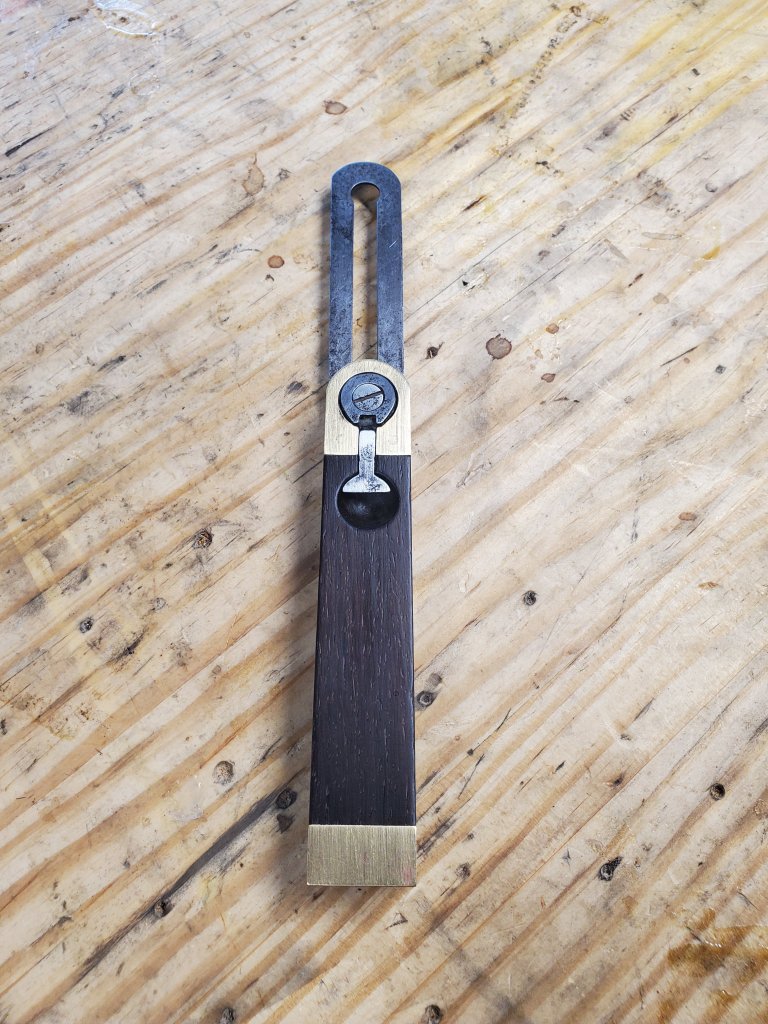
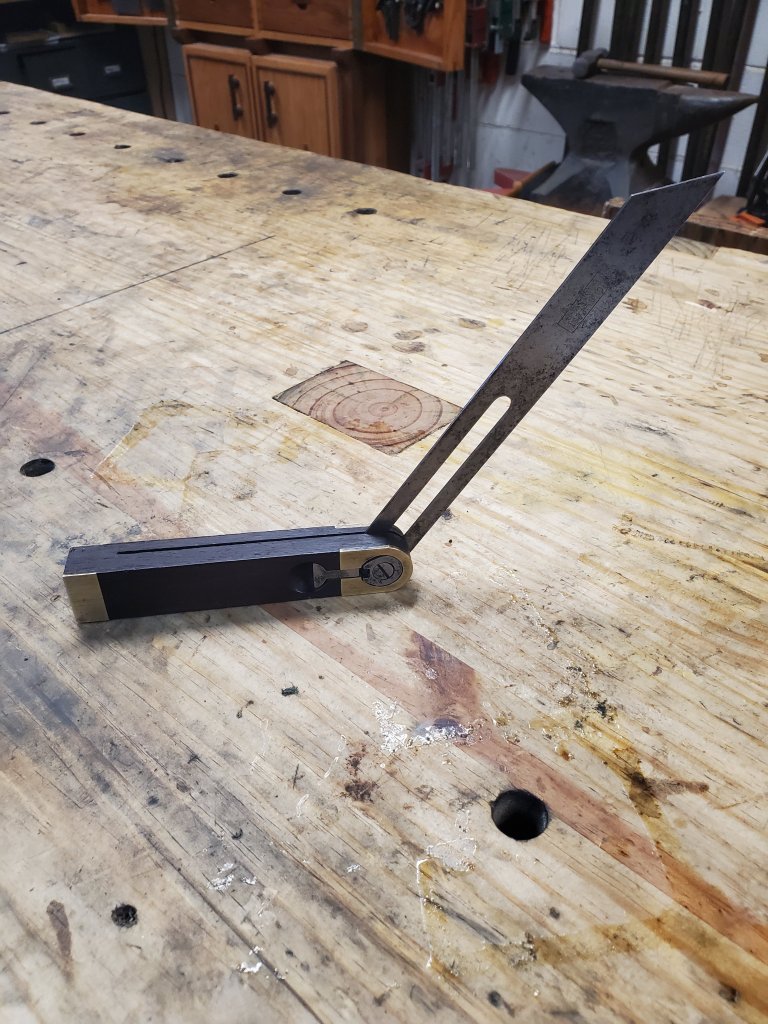
A few weeks ago, I went to an antique tool auction near Xenia, OH. On the tables was an interesting little bevel with a locking mechanism I hadn’t seen before. It’s simplistic design and art deco styling appealed to me. Intrigued, I waited for the bevel to come up for auction and ended winning it (probably paying too much.) I took home my new little friend, polished him up a bit and stuck him in my tool cabinet.

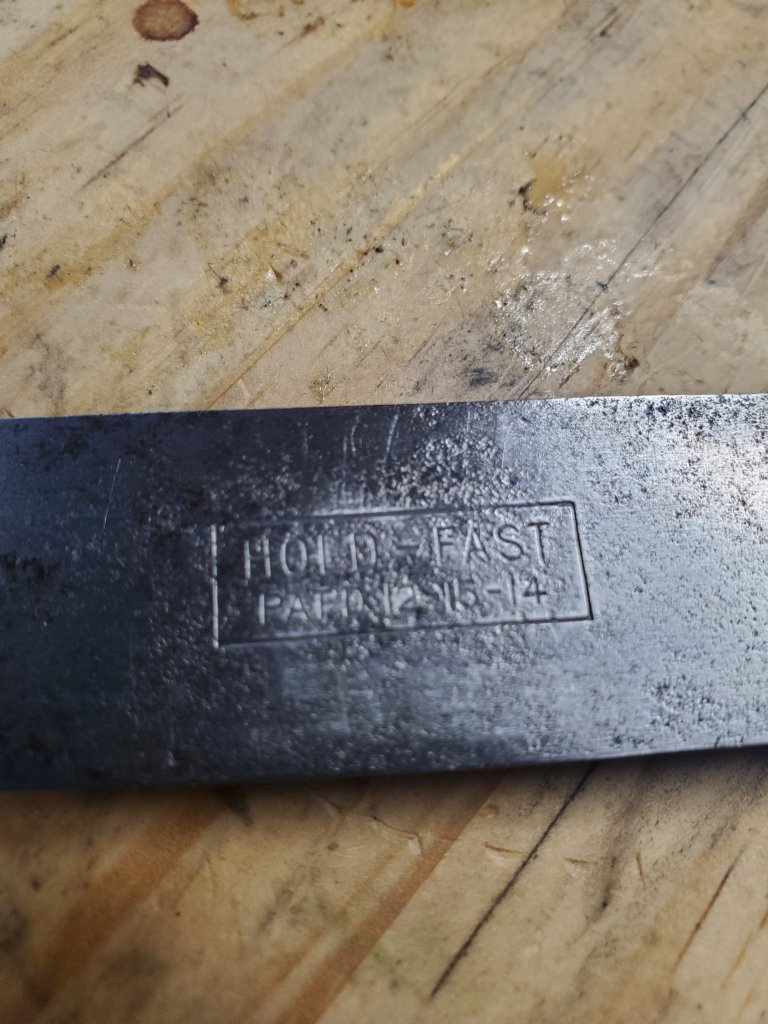
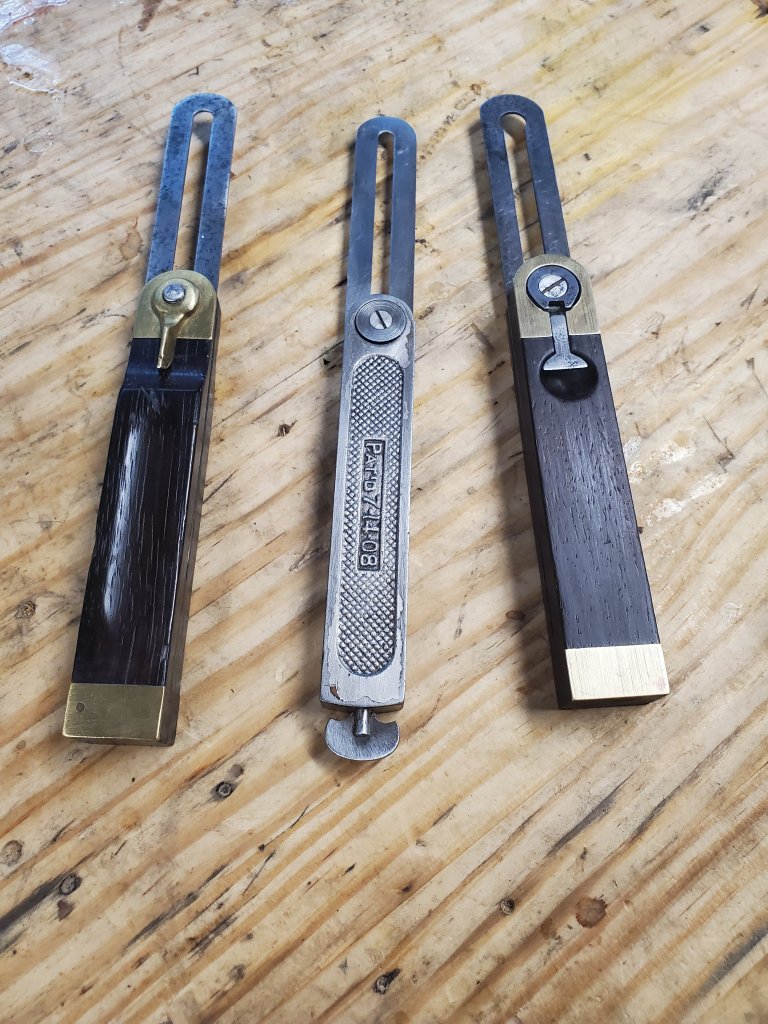
Then, a few days ago, I was reading Stewart Woodworks blog about some of his bevels he uses in his workshop. Sure enough, one of his bevels was similar to mine called a Southington, except his was all metal and not rosewood like mine. The only marks I see on my bevel are the words Hold-Fast on the blade with a patent date of 12-15-14.

A google search of Hold-Fast bevels doesn’t come up with much, and James said a google search of Southington came up with limited information on his end as well. Whether or not Southington was the name of the company or just a trade name, who knows? Nevertheless, the two have to be one of the same as both have identical locking mechanisms.

EDIT: I found out that these bevels were indeed made by Southington Hardware Co in Southington, CT. Nicholas McGrath was the patentee.

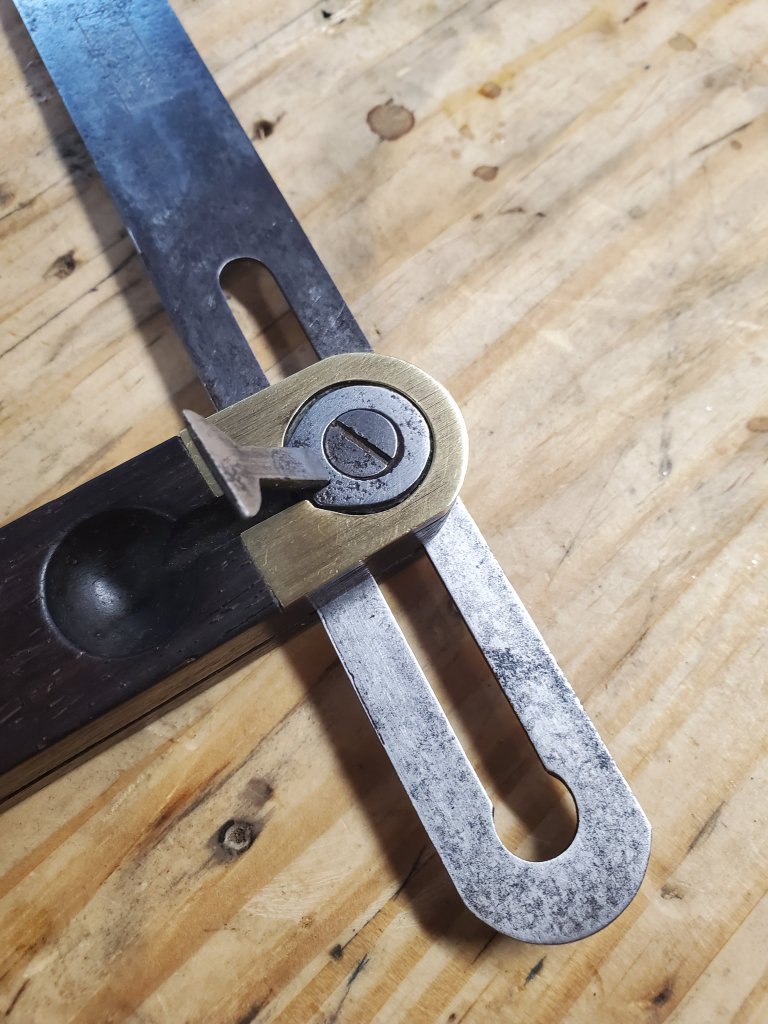
When you open up the mechanism you can see the simplicity of the design which makes it easy to use. A simple turn of the screw, tightens the locking mechanism to the blade. You adjust the screw to the proper tighteness and you’re done.

A lot of the antique bevels on the market have a one armed wing nut which you need to adjust the other nut on the back of the bevel to the proper spot in order for the wing to tighten parallel to the body so it doesn’t get in your way while using it. A lot harder than it seems. That’s why I’ve always enjoyed using Stanley No 18 bevels with the locking screw at the bottom of the body. However when I use it, I have to set the angle of the blade with one hand and tighten it in the back with my other hand. Not a big deal, but tedious none-the-less.

This new bevel is going to be even easier to use that the Stanley No 18 because I can adjust the angle of the blade and lock in place at the same time with one hand. Super quick, super easy. An ingenious design that has stood the test of time.

If you come across one of these Hold-Fast bevels at a local antique store or flea market buy it. You’ll be glad you did.

Wooden Router Plane

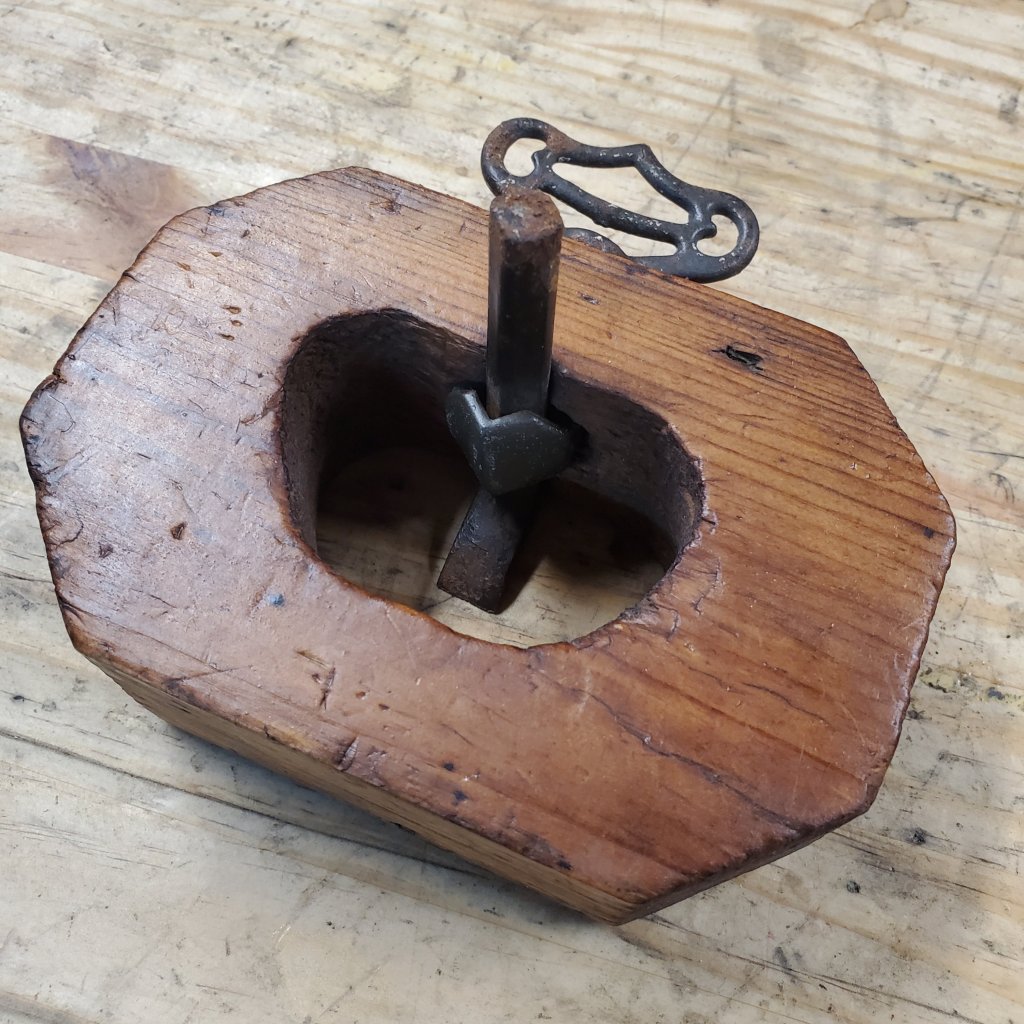
Several months ago, I bought an old wooden router at an antique store for $20. The price tag said it was a Japanese woodworking tool. I guess it could be if a Japanese guy used it. Looked like a home made wooden router plane to me. I bought the tool simply for the hardware, and the Stanley router bit it that came with it.

I search online and came up with a wooden router plan and printed it out. Then I measured, drew, and bore the three holes for the body on a piece of 2″ thick cherry.

A few minutes on the band saw I had the new body of the router.

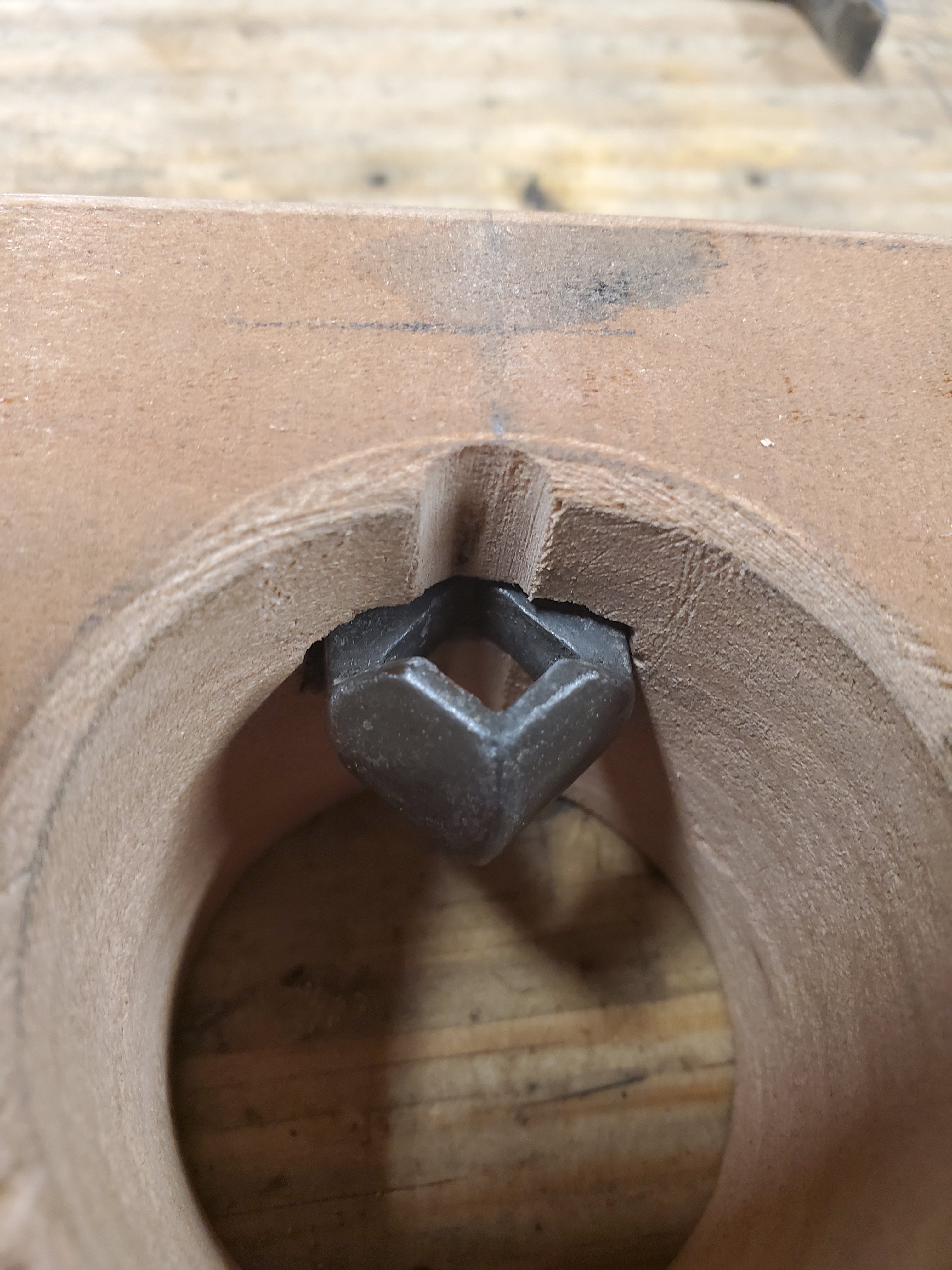
The hardest part in making the body was cutting the mortise for the blade holder. I jabbed at the wood with chisels, knives and drill bits in order for the piece to fit. I ended up getting the piece in the hole and then tightening in the back in order to crush the wood fibers into shape. It took a few attemps, but after a few minutes, it finally fit.

Once the hardware was in, I stuck the blade back in to see how the final fit. Once I was satisfied, I sanded the body and applied a few coats of shellac to it.

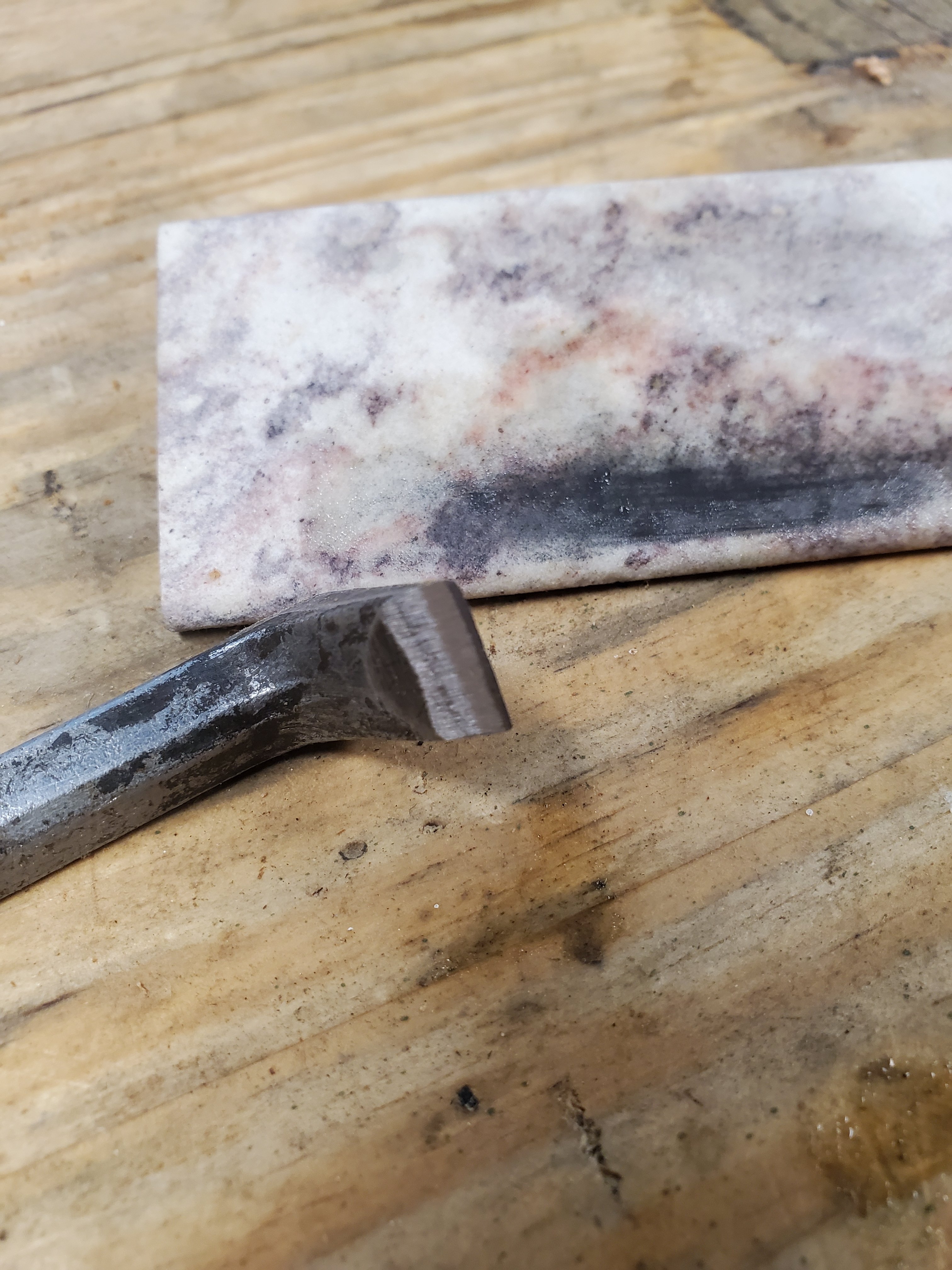
The last thing I needed to do was sharpen the blade. The easiest way I have found to sharpen a router plane blade is to grind a bevel on an oscillating spindle sander making sure to take a light touch in order to prevent burning the edge of the cutter. Then, I hone the edge and flatten the back with a whetstone.

I stuck the blade back into the router to see how it cuts. Cuts like butter!

If you’re in the market for a router plane, take a look at the wooden versions. They are much cheaper than their metal counterparts as some of their prices fetch up to $150. I see wooden router planes all the time at antique shows for around $40. They work pretty much the same way, they just don’t have the adjustment mechanism to raise and lower the blade. With a little practice, you can easily tap the blade down with a hammer to lower the blade for the next cut.

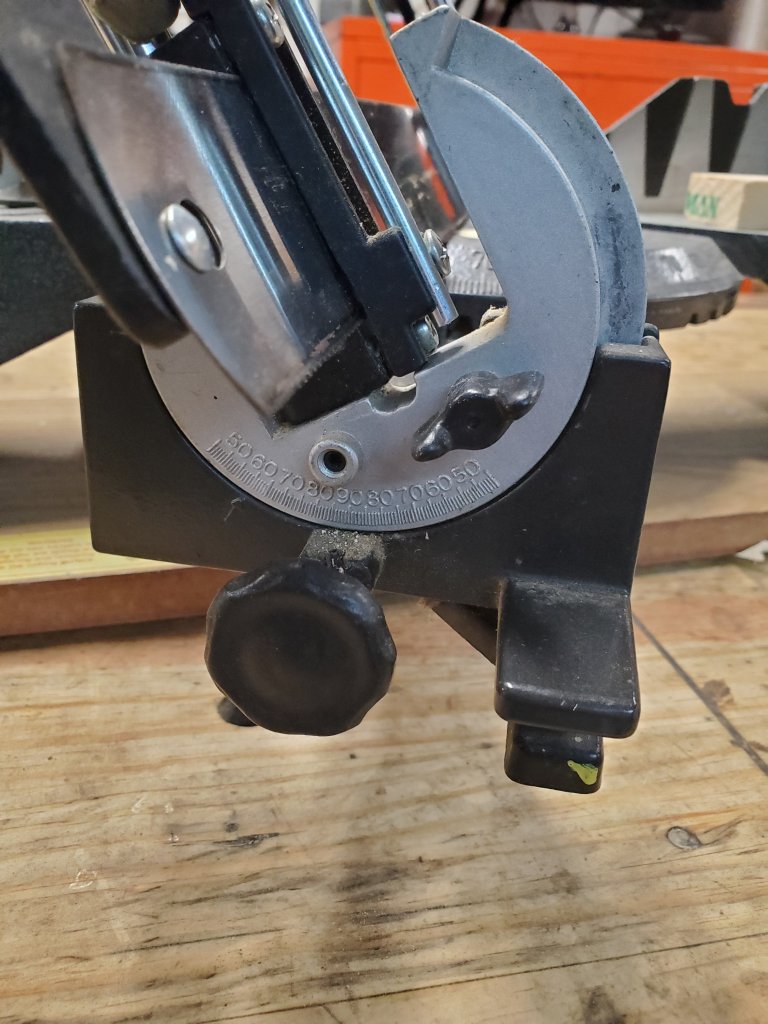
Jorgensen Compound Miter Box

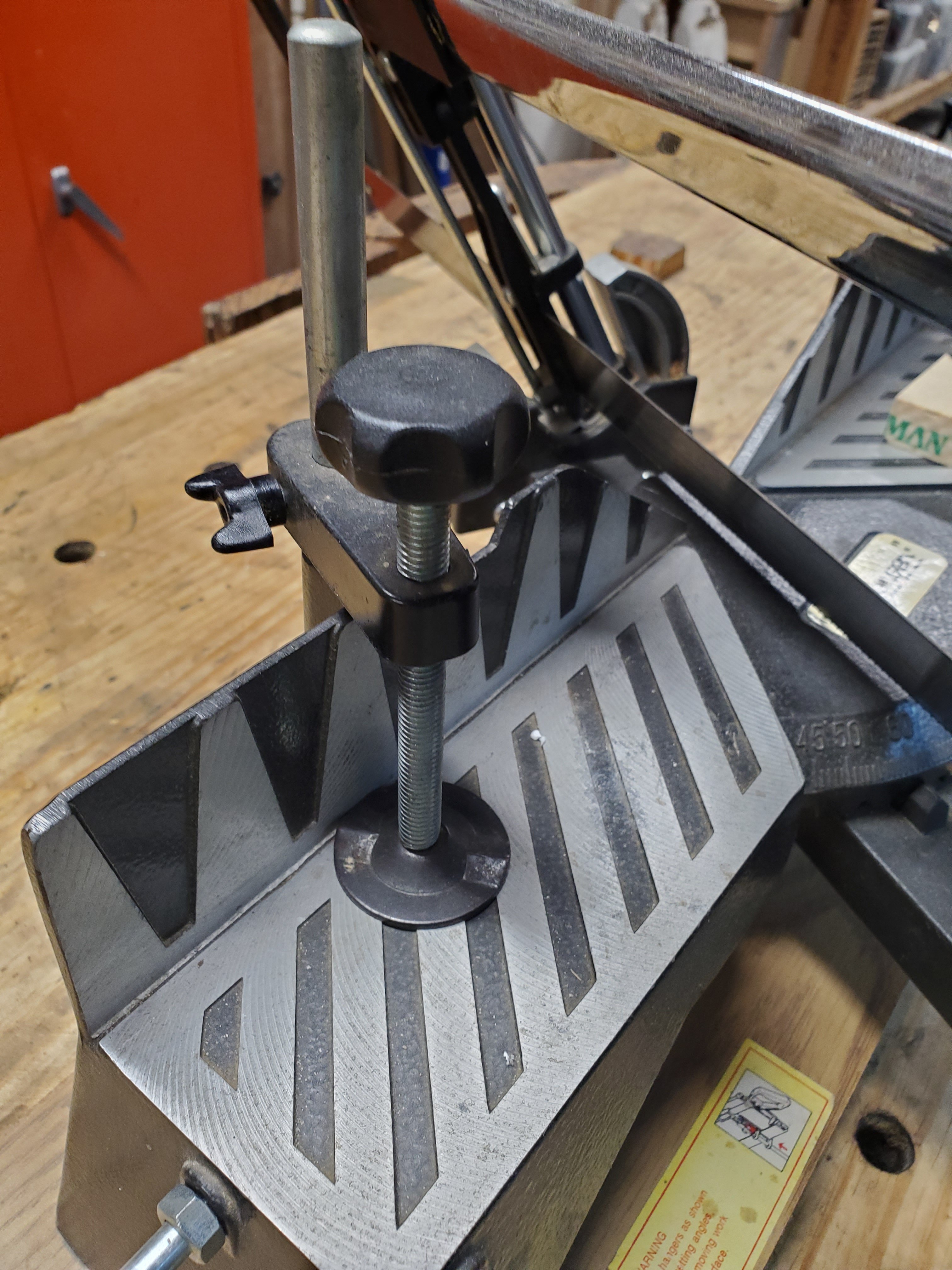
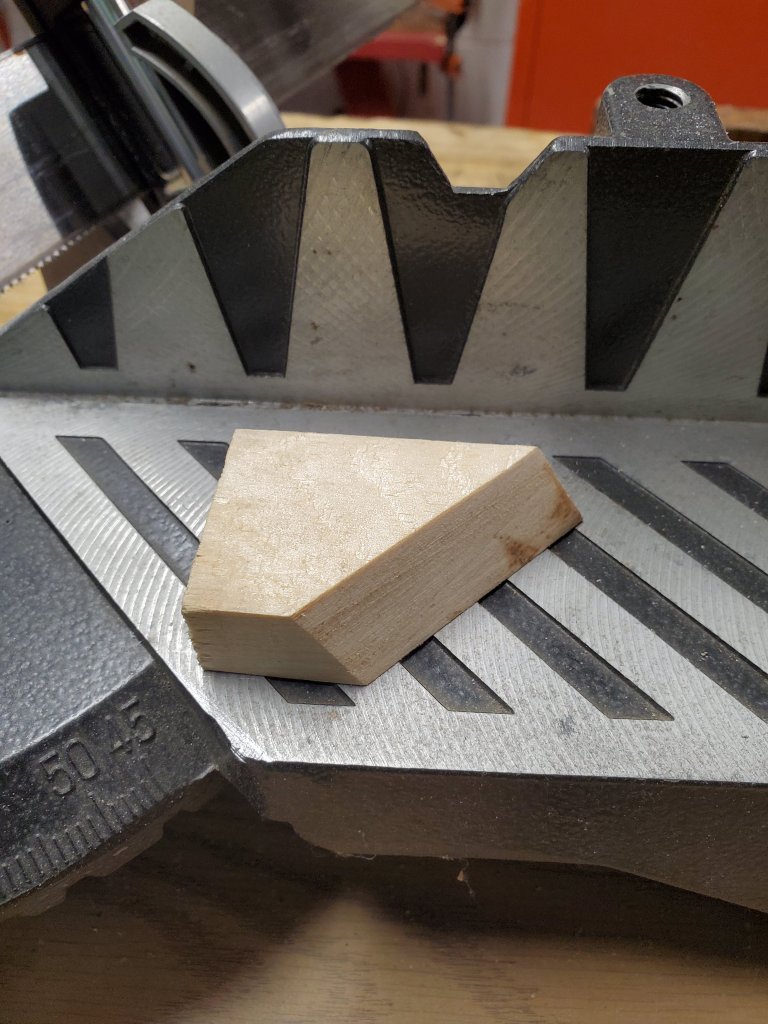
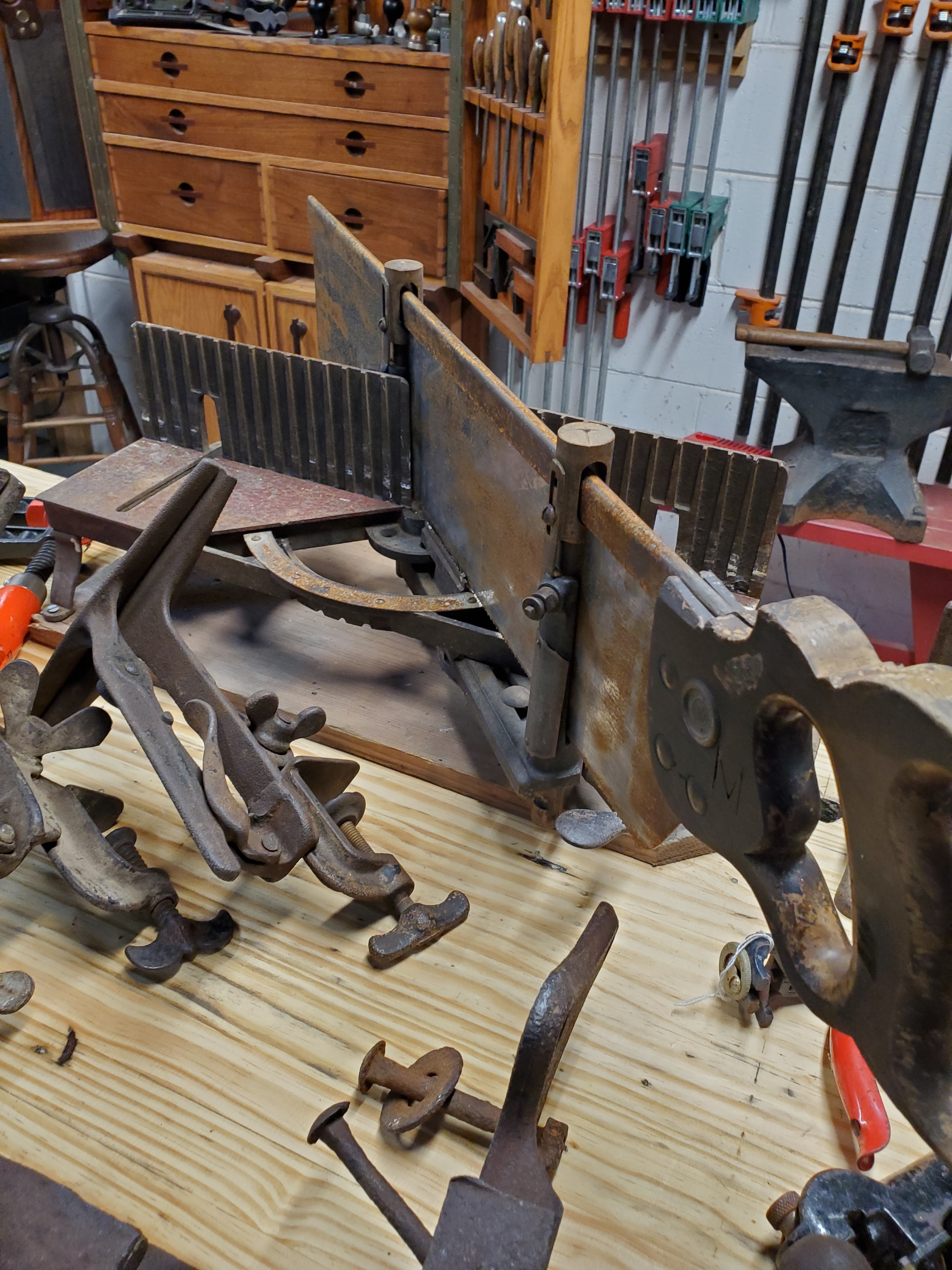
A few months ago I was browsing through my local thrift store when I stumbled upon this miter box. I’ve seen hundreds of miter boxes in my day, but this was the first handtool compound miter box I had ever seen.

It’s a Jorgensen No 64020 Compound Miter Box made during the 1980’s or ’90’s in complete condition with its original instruction sheet. The price at $15 was too good to pass up so I brought it home to play with it.

The miter box appeared to be well made with smooth action on the vertical axis swing, wood support, repetive cut stop, and a hold down clamp. After figuring out how the tool worked, I was excited to put it to use.

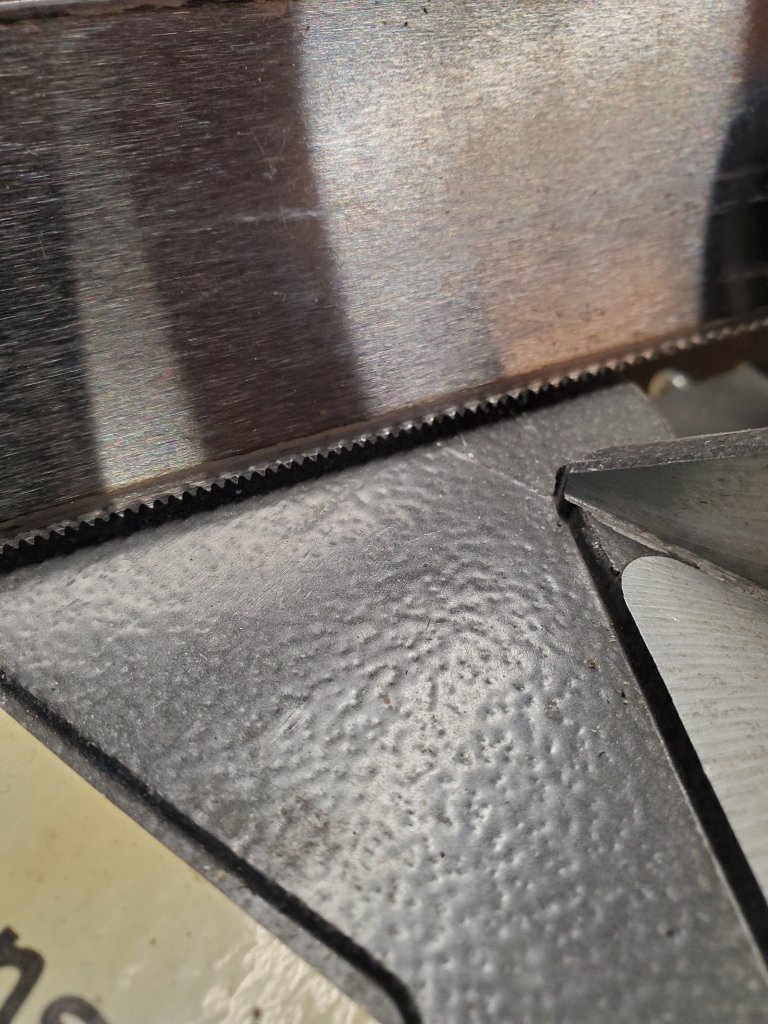
I grabbed a piece of pine and randomly set the angles on the vertical and horizontal axes and gave it a go. After a few minutes of cutting, I was finally able to cut the piece off. The blade is either dull or the teeth are set so fine, that it easily binds in the wood. I measured the teeth on the blade and they’re 20TPI. I’m thinking that maybe this tool was meant to cut woods like balsa for model airplane building.

I went online to find a replacement blade, but unfortunately they are no longer made. Craftsman makes a 16″ long replacement blade but this one is 24″. I guess I could make a new out out of old miter box saw blade and use this one as the template. That may be a fun thing to try someday.

So right now, it sits underneath one of my workbenches out of the way collecting dust. What a shame! It looks like a really cool miter box that would come in handy for cutting intricate molding that would be too dangerous to perform on a powered miter box.

Soupin’ Up a Stanley Surform File

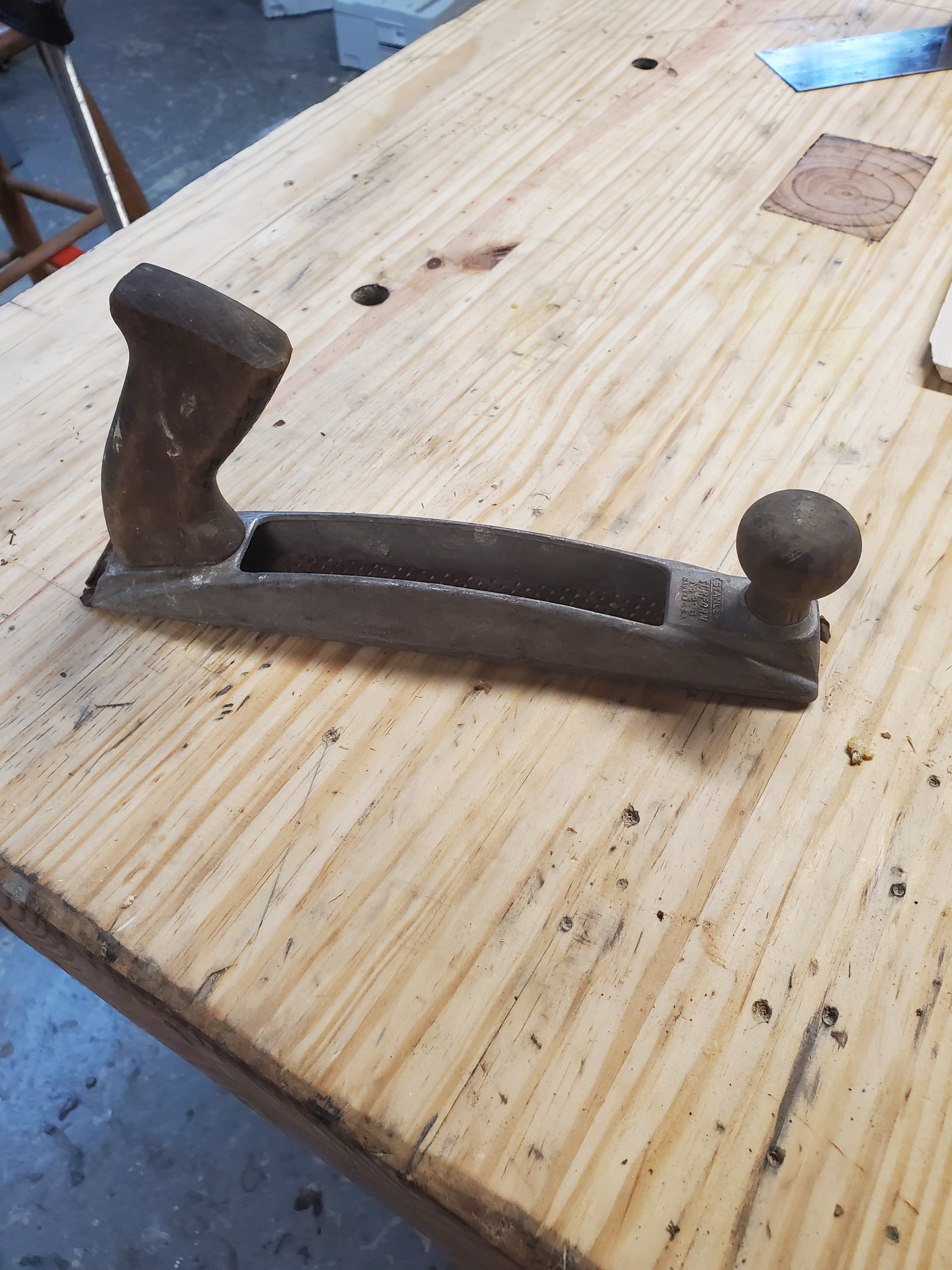
Last weekend I bought this Stanley No 296 Surform File at a local antique show. When I first got into woodworking, I would use these things to round over boards when making wooden sailfish and ducks in junior high shop class. I hadn’t used one in years but for $5.00, I figured I’d play with one again.

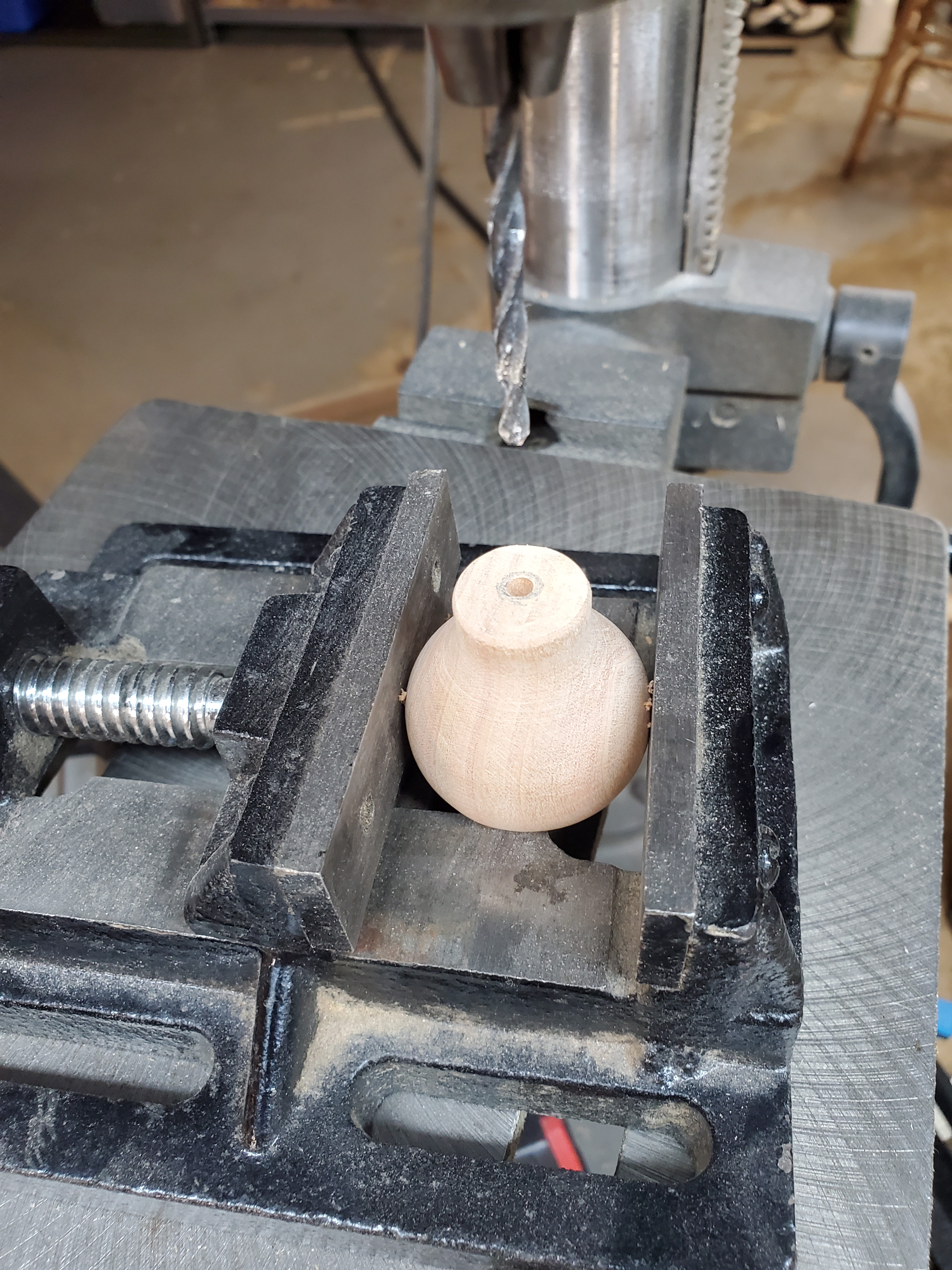
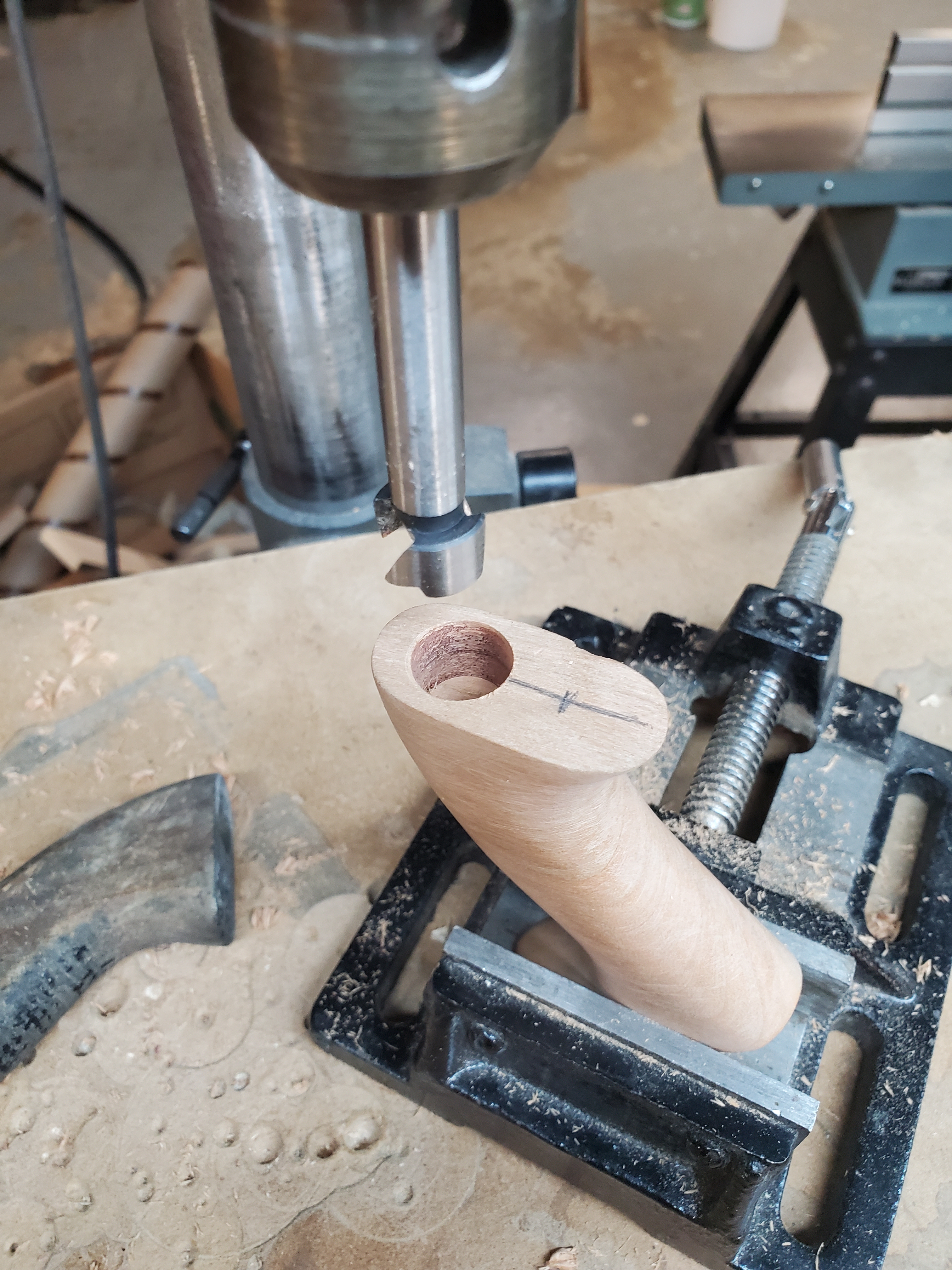
I hated the handles so I grabbed a piece of 2″ square cherry and turned a new knob. The diameter of the knob is a little bit bigger than the original, but I had to keep the base the same diameter so it would sit it the recess of the body.

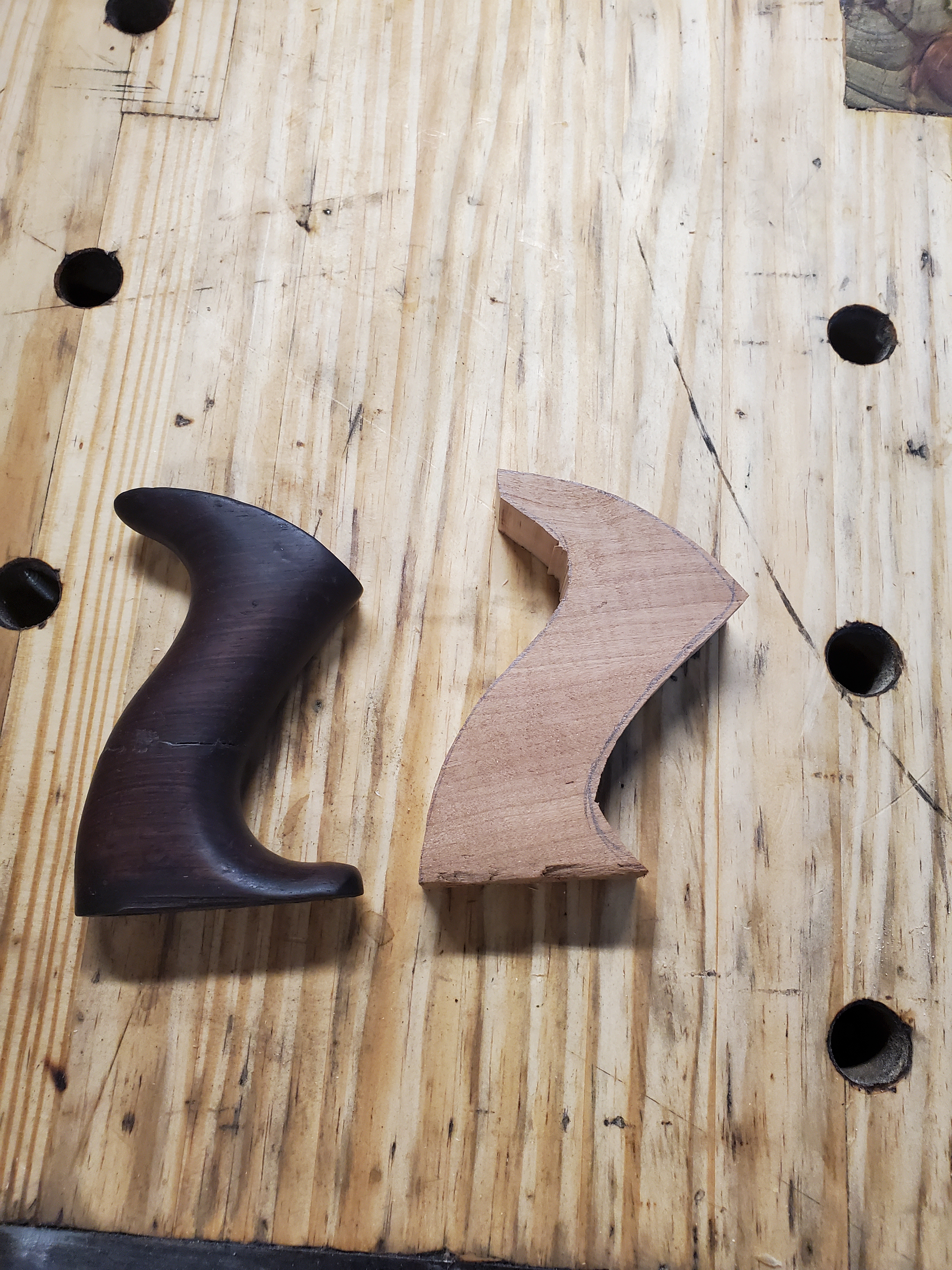
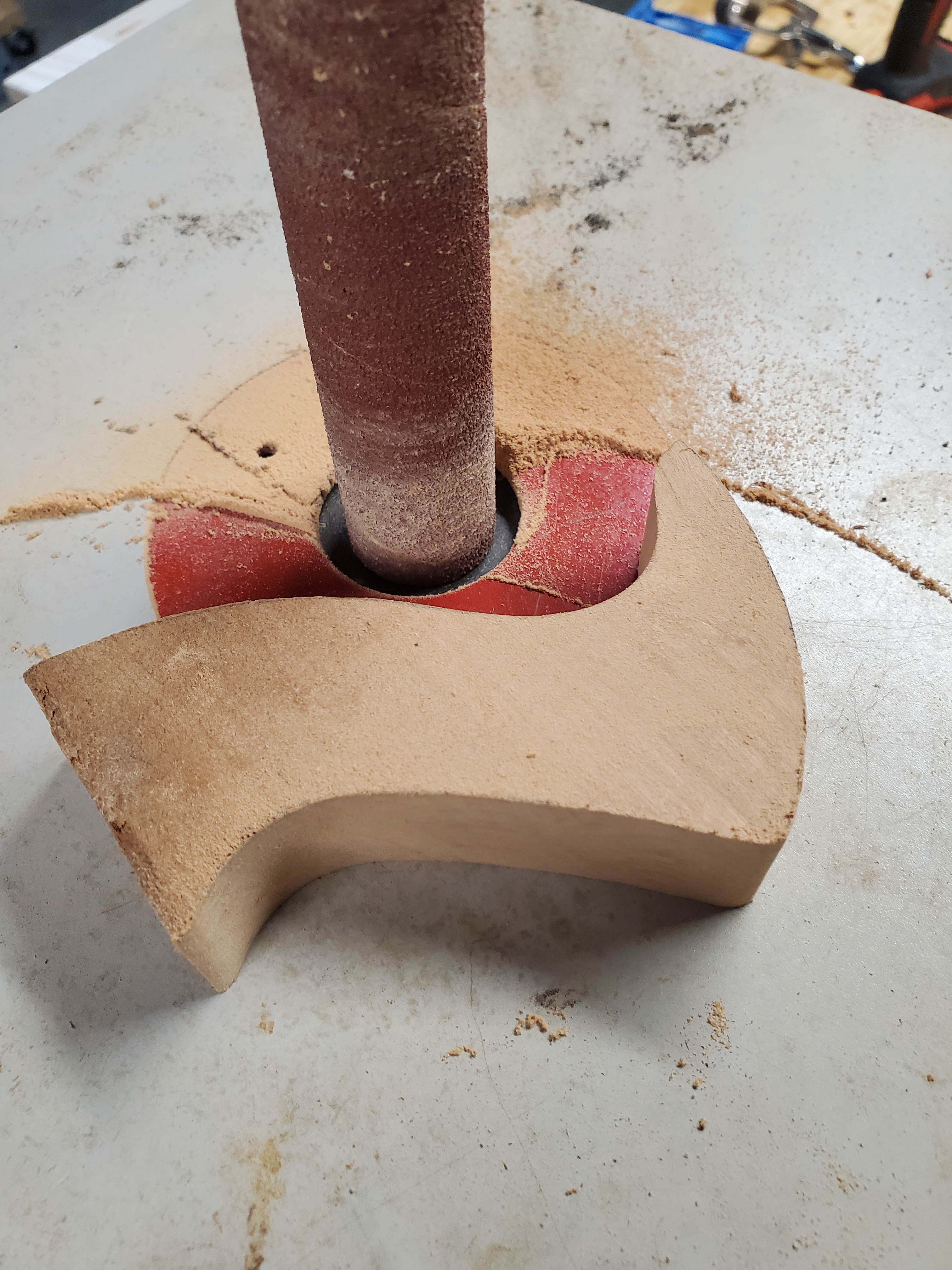
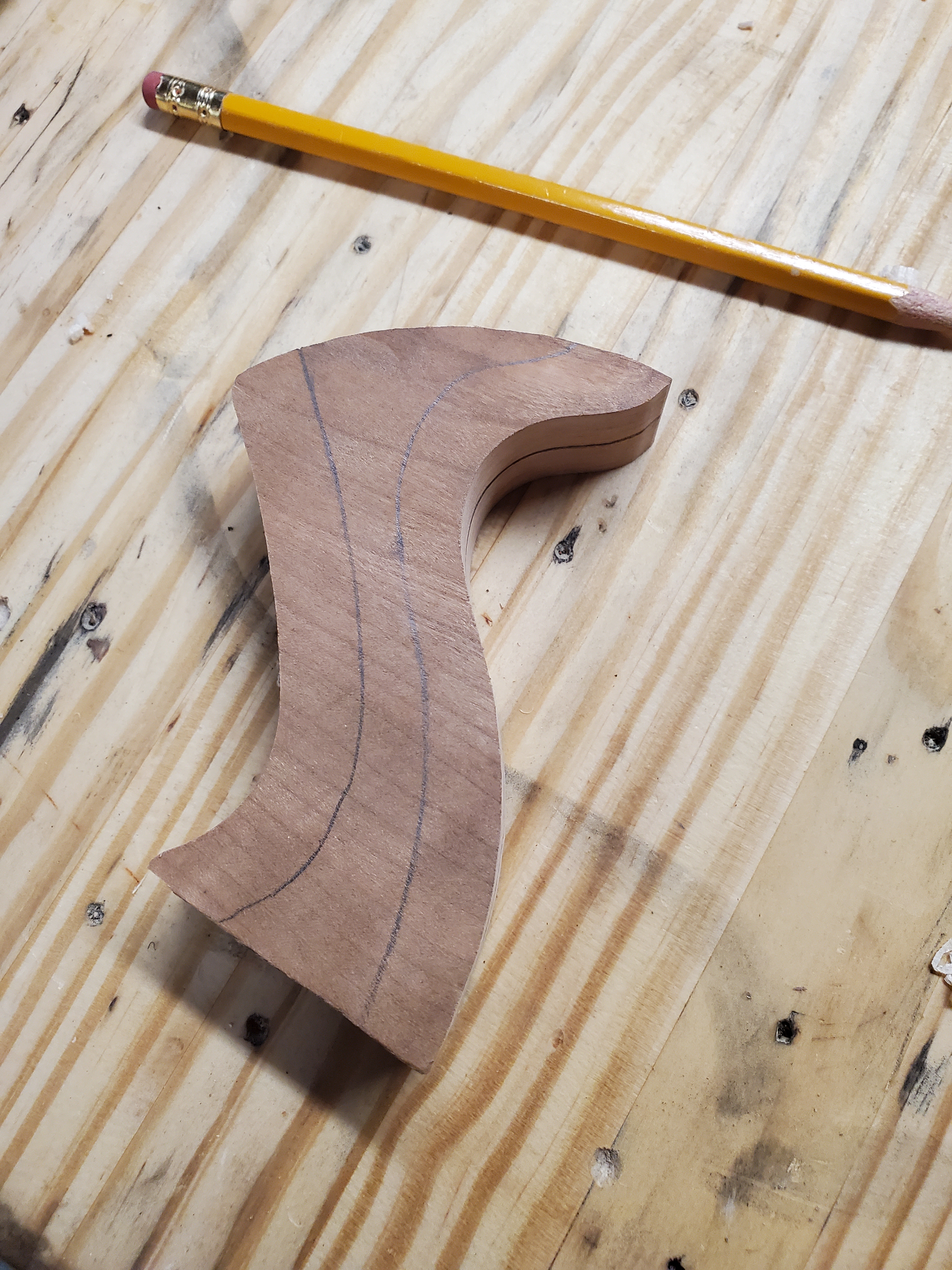
I then grabbed 1″ thick cherry and used an old Stanley tote as a template for the new handle. I then cut it out on the band saw and shaped it smooth with my oscillating spindle sander.

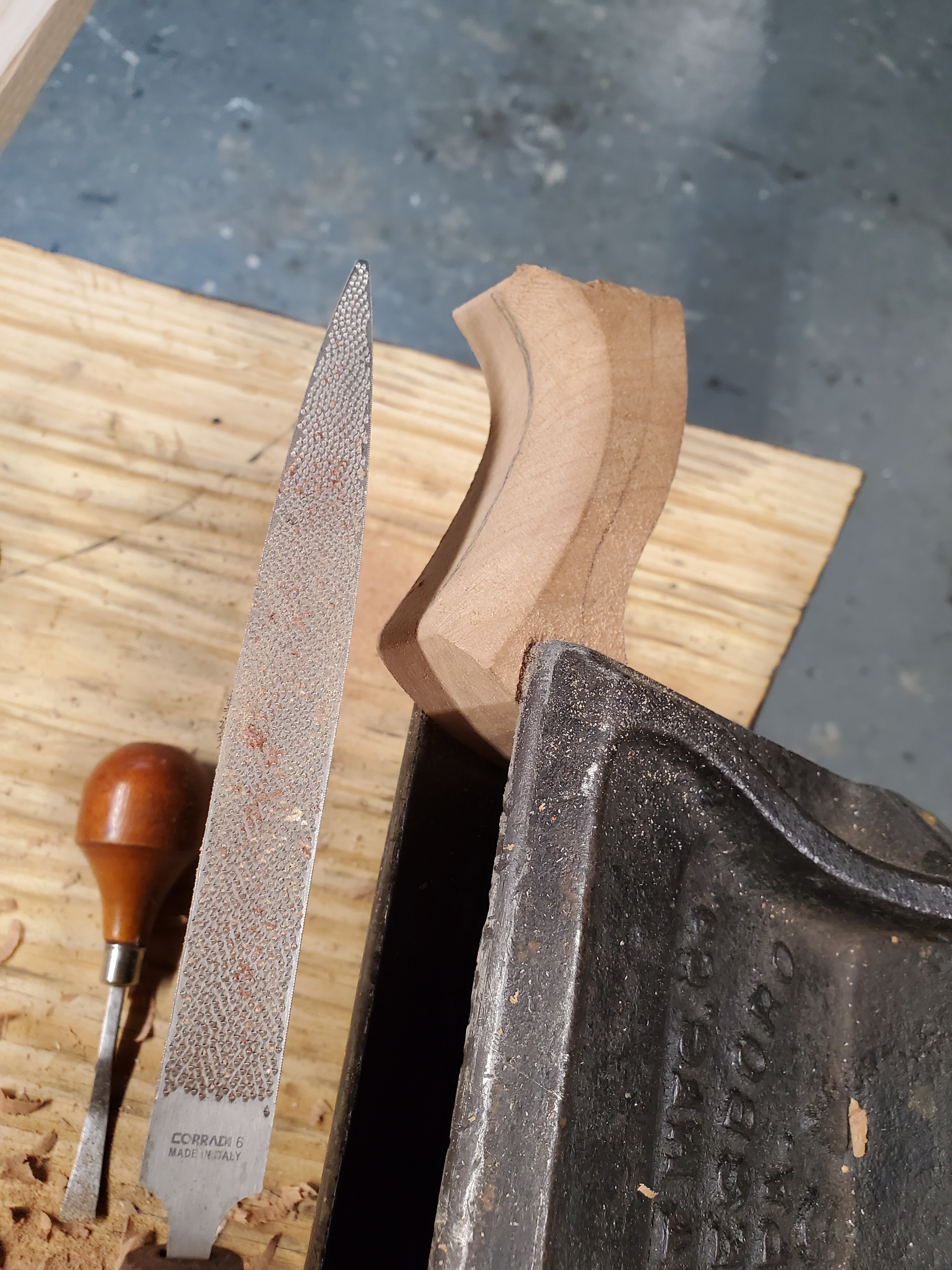
I then shaped it round with chisels, rasps, and files. I could have used a 1/2″ round over router bit but then again, I could also have cut it out with CNC machinery like most modern tool makers. The rasps and files worked just fine.

I drilled a couple of holes underneath to fit on top of the fitted body. I simply used the original tote as a template of where the holes needed to be drilled.

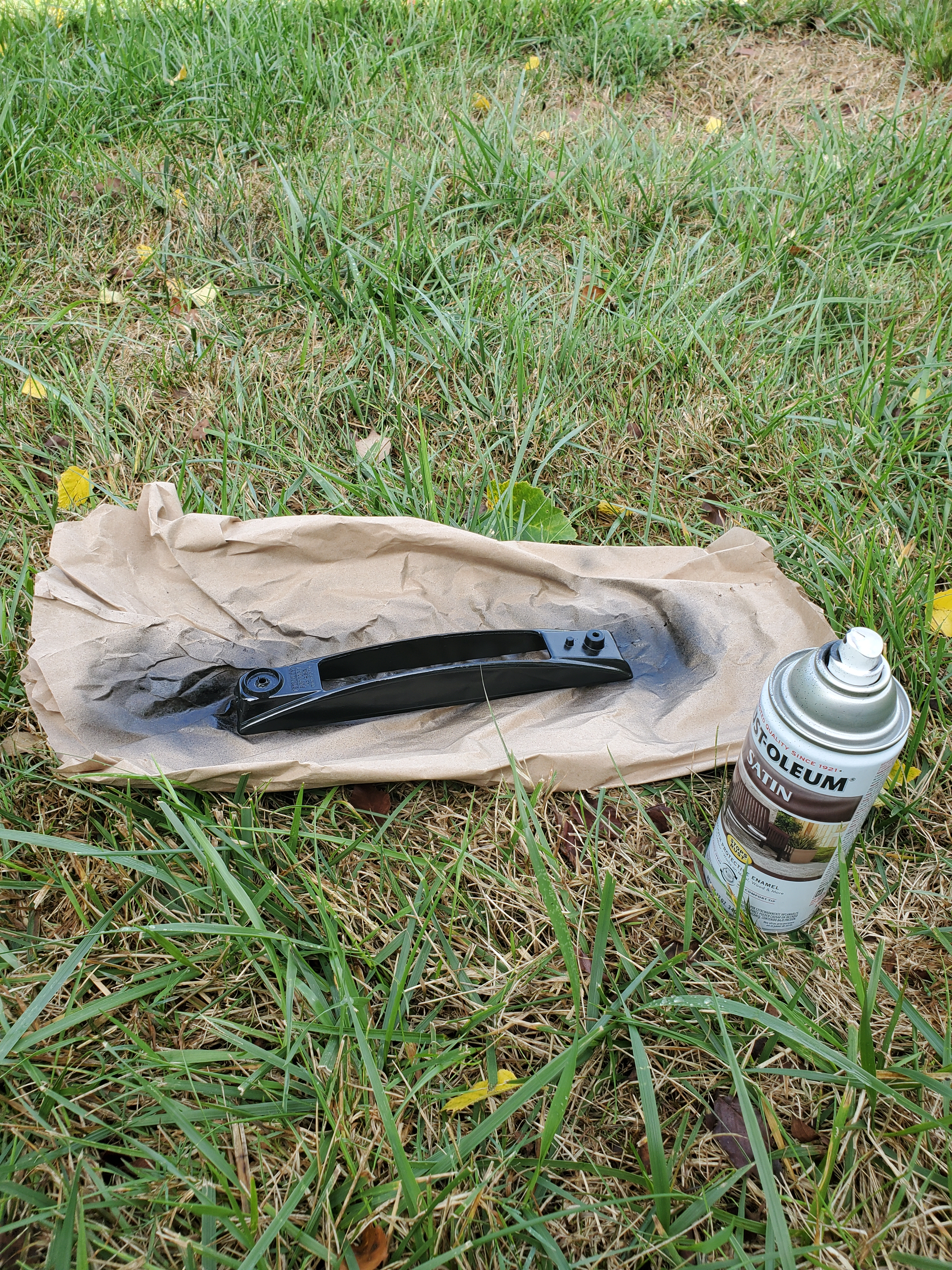
A quick spray paint job on the aluminum body did the trick. After a few coats it was done.

After assembling the parts back together and buying a new replacement blade, the rasp looks better than ever. What’s nice about these tools is that Stanley still makes them so buying replacement blades are super easy as every hardware store sells them.

I now own the coolest surform file in Cincinnati. It was a fun little weekend project.

World’s Longest Yard Sale 2021

Last week, my wife and I spent the days traveling up and down US127 for the World’s Longest Yard Sale. It’s something we’ve down for the past seven or eight years and we have an absolute blast doing it. We get up at 4:30am and drive 150 miles to start our day in a different part of the country to see what we can find. After 1200 miles in my truck and five days of picking, this is what I came home with.

As much fun it isto pick, it’s frustrating that I can’t find as many Stanley Bailey planes that I used to. Even nice planes that are out of my budget were few and far between.

I was able to find a couple of good deals on miter boxes. One is my favorite Stanley No 150. It’s great little miter box for cutting wood that too small to cut with a powered miter saw. The other is a Miller’s Falls No 70 miter box along with a Disston saw. Both will take some time to restore but I’ll eventually get it done.

I also picked up a blacksmith post vise. The price was too good to pass up. The jaws are a touch small at 3 1/2″ wide but it’s a perfect size for a woodworker who needs to do a little metal working from time to time.

The other things I picked up were some large jaw Bessey clamps for $8.00 each. (I couldn’t whip out my wallet fast enough). Then, I found some old Fine Woodworking magazines and old testbook for a few bucks. One thing that’s great about woodworking is that the old books and magazines are still relevant because wood is wood and steal is steal. Been that way for thousands of years and it’ll be that way for a thousand more.

Overall, I’m happy with my purchases, I’m just getting a litttle nervous about not finding any decent tools on the yard sale anymore. I know damn well I haven’t bought them all.

Oddball Smoothing Plane

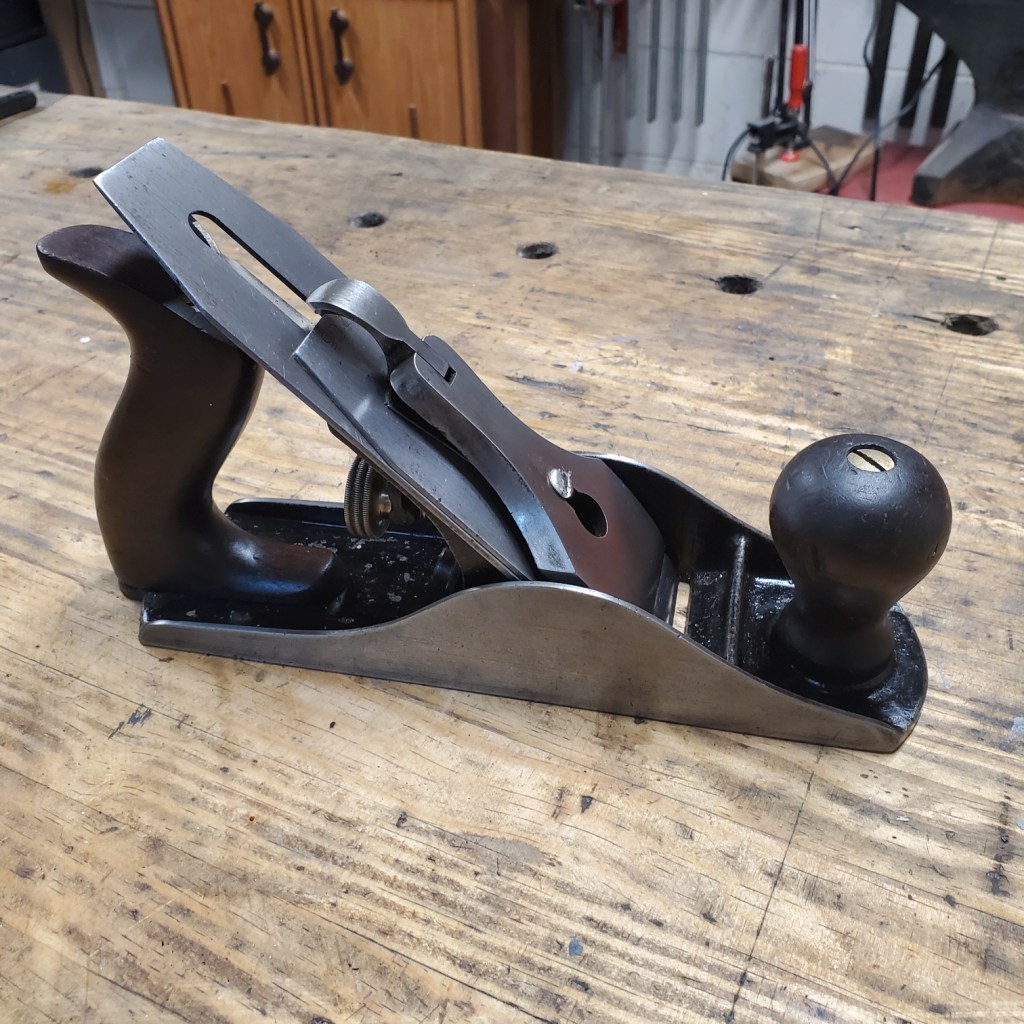
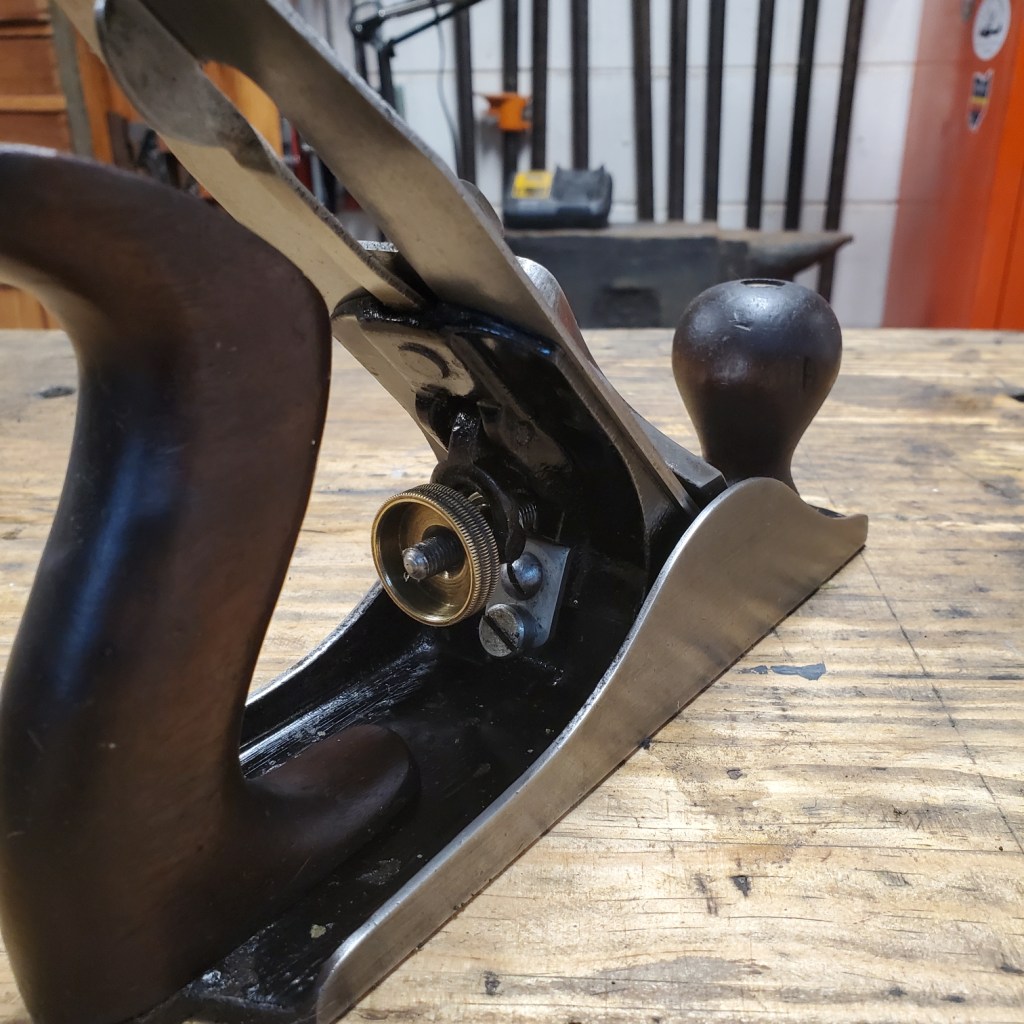
I bought this plane on eBay this week. Probably the first plane I bought on the bay in two years. The seller said it was marked 904 and was similar to a Stanley No 2 plane. When I opened the box, I immediately saw that it was actually the size of a No 4 plane. It’s my fault for not paying closer attention to the pictures and not doing my research. I looked over the plane and saw no makers mark of any kind. To me, it looked like it was made by the Sargent Tool Co.

When I took the plane apart, I saw that the frog on the plane was identical to early Stanley Bedrock plane. I knew it wasn’t a Bedrock because it would say “Bedrock” on the bed. The only other plane company that made planes that I knew of that had a Bedrock style of frog was Vaughan & Bushnell but all their planes had flat side walls similar to Bedrock planes.

The lateral adjustment had a twist on the top. It reminded me of a Sargent plane but I don’t think Sargent ever made planes with a Bedrock style of frog.

The back of the frog was similar to all other Bailey style planes on the market back in the day. The one thing I noticed was that the threaded rod for the brass knurled nut was really long like that of an Ohio Tool Co plane. Was this an Ohio Tool Co plane?

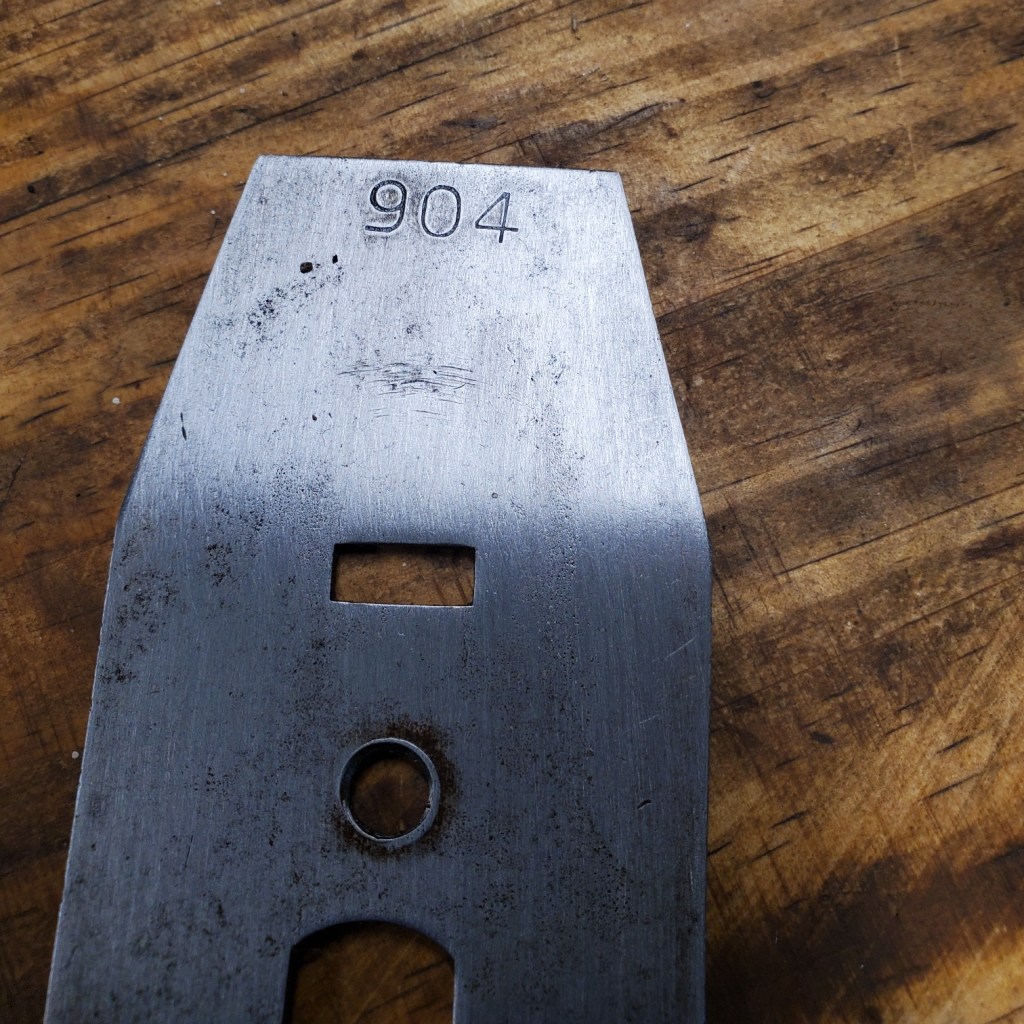
The only identification mark on the plane was 904 on the chip breaker. Since I thought it was a Sargent or Ohio Tool Co plane, I researched “904” for each company and came up empty. Sargent’s No 4 size planes were labeled 409 not 904.

The blade had no marking on it. The only unique feature it had has a polygram shaped hole at the bottom. So, I went back to Vaughan & Bushnell and searched “904”. Sure enough, I found an early example on the internet of a Vaughan & Bushnell No 904 with round sides. Mystery solved. Why Vaughan & Bushnell didn’t mark their planes is anybody’s guess but mine would be that they sold their planes to hardware companies who would then label the plane under their own brand name. Similar to that of companies who use to make tools and sold it to Sears to be sold under the Craftsman brand. Maybe this plane was packaged in a box with the hardware store’s brand on it.

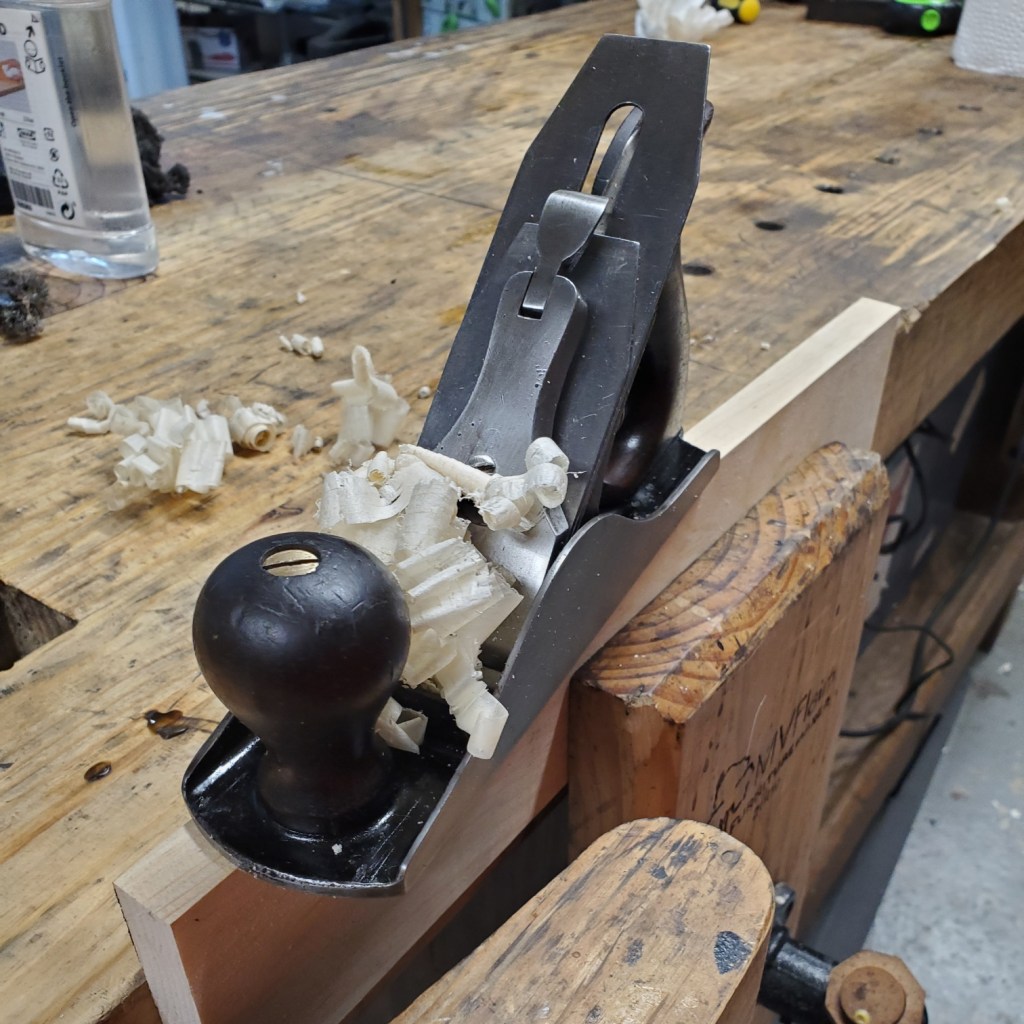
I sharpened the blade and put it to use. After a quick honing, the plane performed well. It’ll make a nice user however, I’m still kind of pissed it was sold as a number to 2 size plane. I overpaid for it but that’s my fault.

Cleaning up an Old Saw Blade

It’s been slim pickings buying antique tools the past few months. So much so, I had to close my eBay store and just list things when I had a few tools to sell.

Scrounging around my shelves in my workshop, I found an old miter saw I bought at one time but completely forgot about. It was in pretty rough shape when I bought it but the price was right. Being out of inventory, I figured it would be a good time to clean it up

If you know me, you know I like dipping old rusty tools imto a ctric acid bath for a few hours. The process works great on old cast iron plane beds but when I try it on saw blades, it turns the steel really dark.

I heard about guys who scrunch up a piece of aluminum foil and use mag wheel polish to buff out the rust using nothing but elbow grease. I have tried this method on previous saws and have enjoyed the outcome so much that I no longer dip my saw blades in citric acid.

I started with a piece of aluminum foil but the blade was so tarnished and rusty, that I decided to use a scotch brite pad instead. It took a lot of elbow grease, but I was happy with the outcome after a few days of scrubbing.

You can see the etching was saved using the mag + aluminum polish. Sometimes when you use sandpaper to remove rust on saw blades, you lose the etching as well. You can also see the oxidation on the blade from all the rust.

When I bought the saw, I thought it was a Disston but it turned out to be a Simonds saw for a Millers Falls Langdon Mitre Box. Turned out to be a nice find.

The handle was already in nice shape. All I had to do was remove the old cracked lacquer finish with paint removal gel and buff it with steel wool. Then I applied a few coats of shellac to it.

The saw cleaned up nicely and is ready to be put back to use. Just needs a quick sharpening.