Display Cabinet

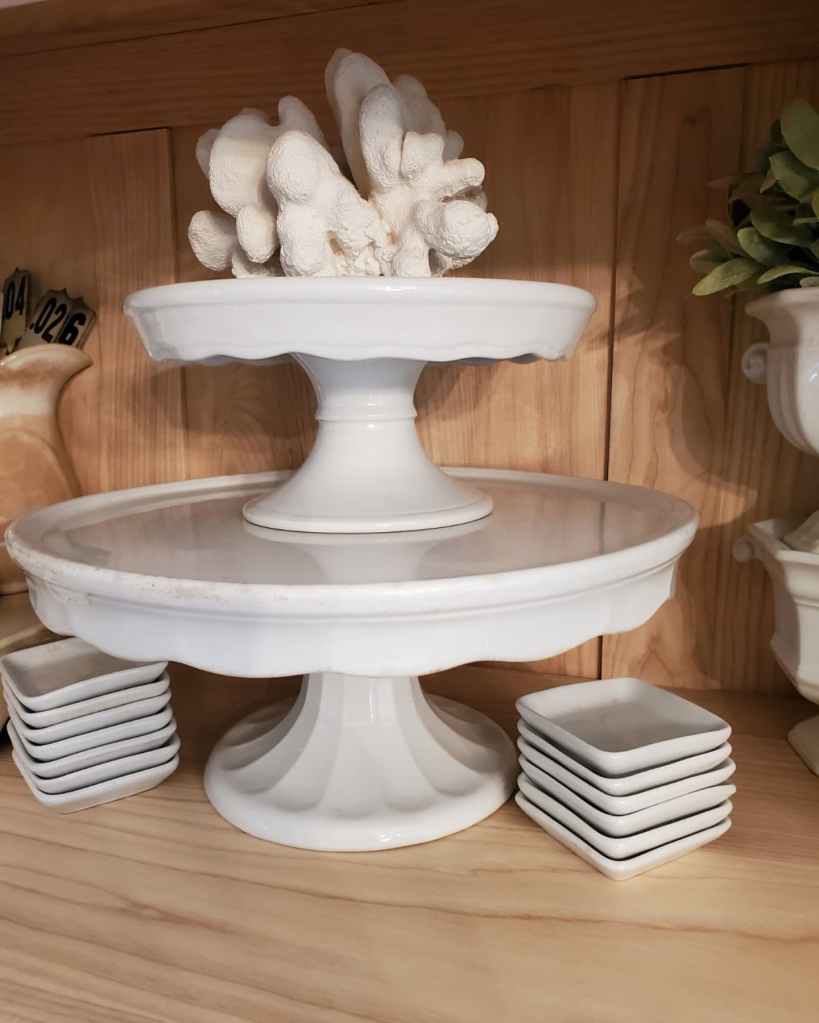
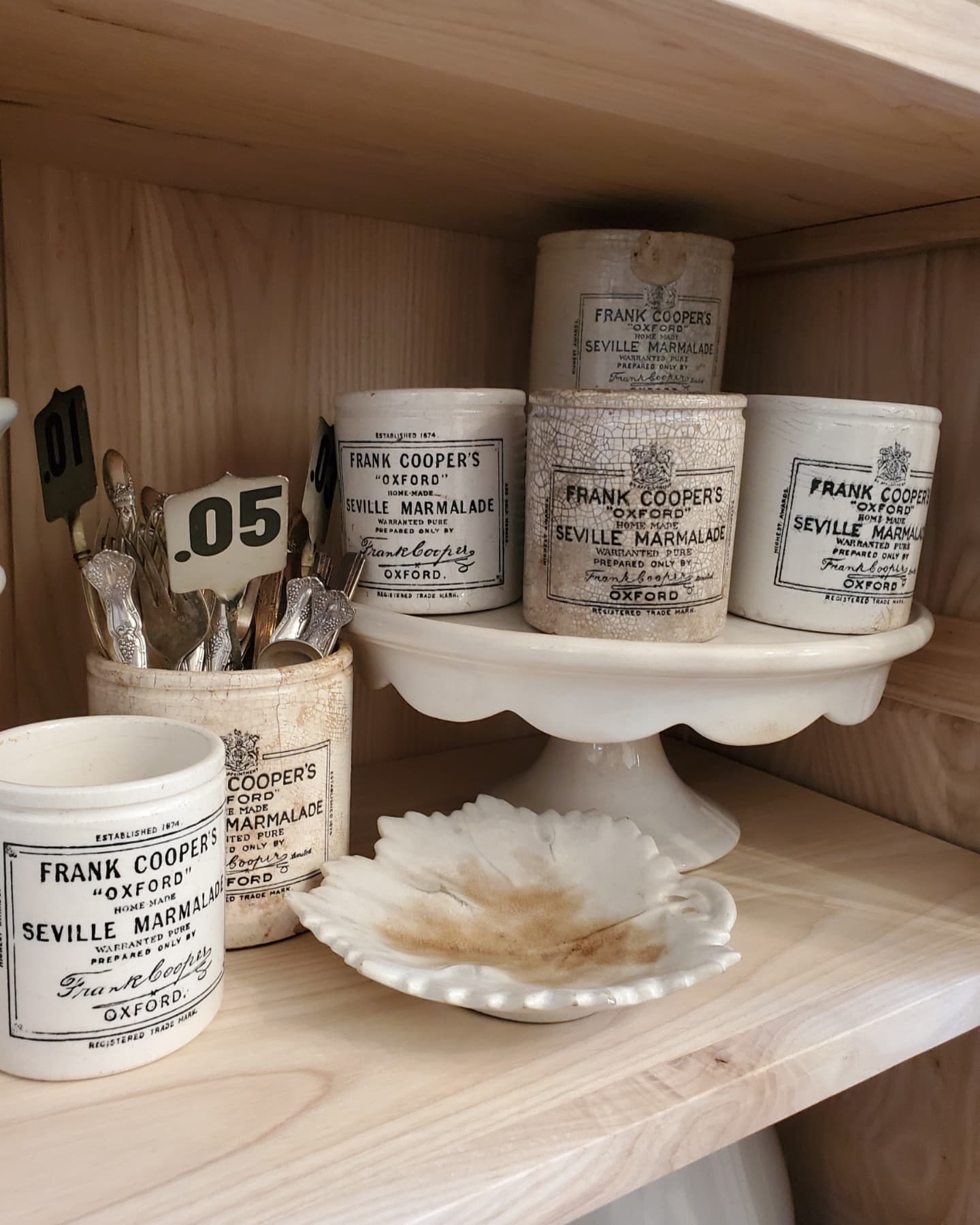
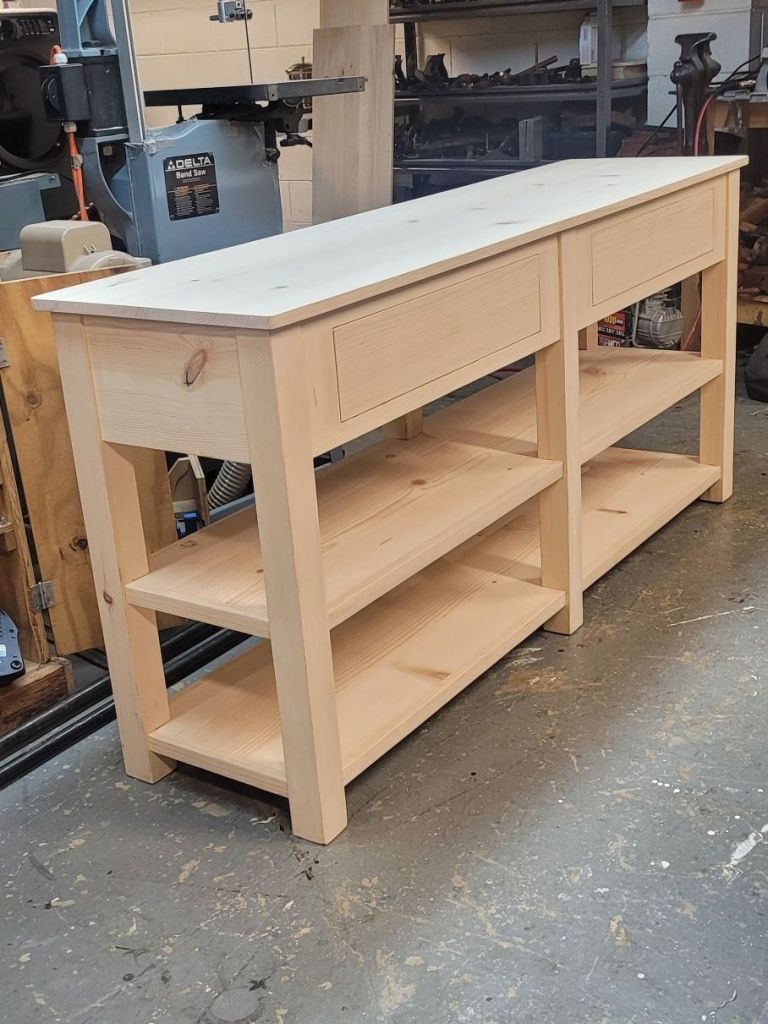
Anita got two new booths in the antique mall she sells in. She went from having a small 8′ x 10′ L shaped booth to having two big rooms. Because of this, she needed a big display cabinet for the back wall in one of her rooms. She searched the internet and asked me if I could make this apothecary cabinet for her.
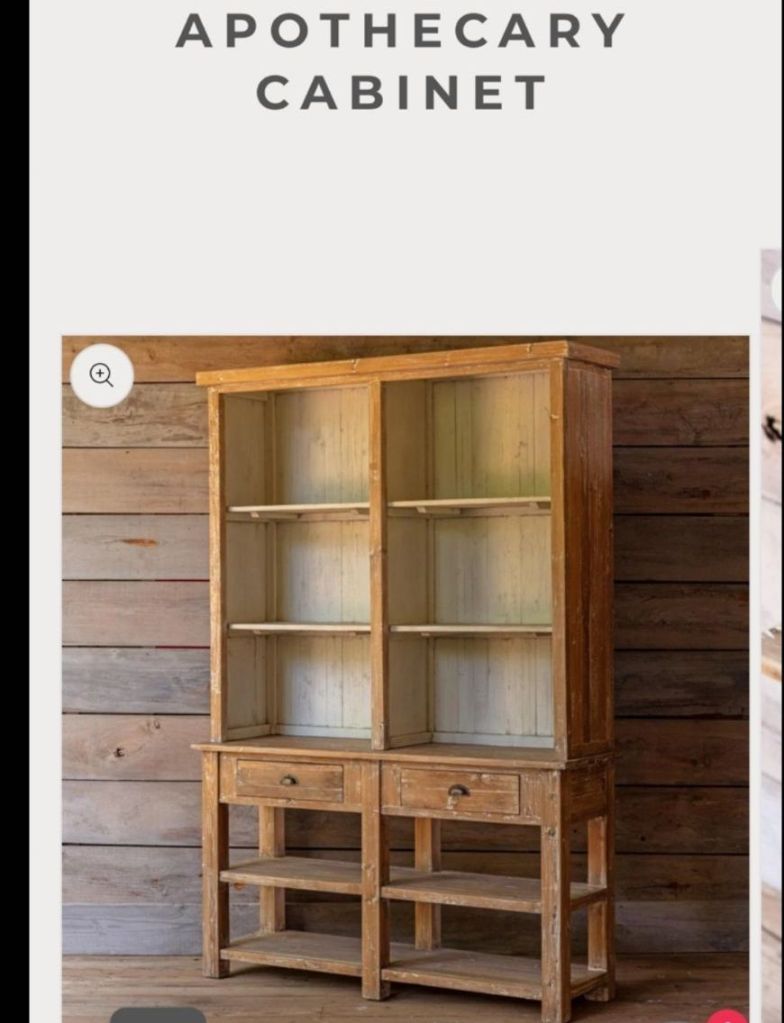
She wanted the piece to be made of a light colored wood but didn’t want maple or poplar. We went to Lowes and bought a bunch of 1×12’s that were a light pine made in Sweden. Being that they were from Sweden, I assume that it’s the same pine that IKEA uses in their furniture.
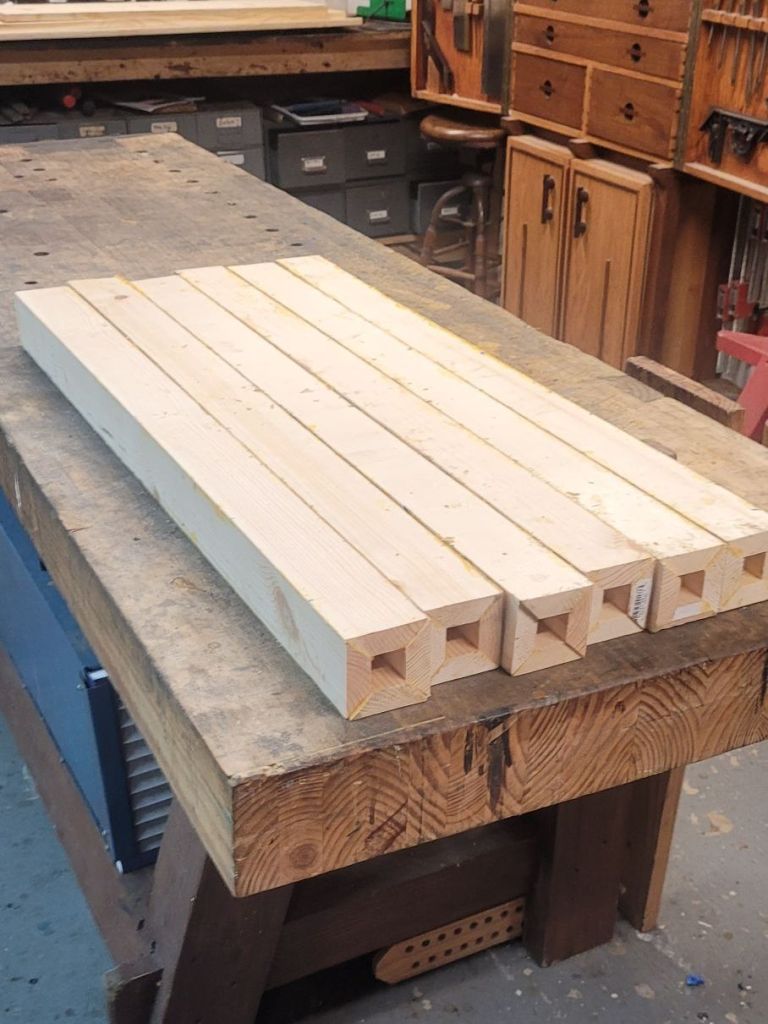
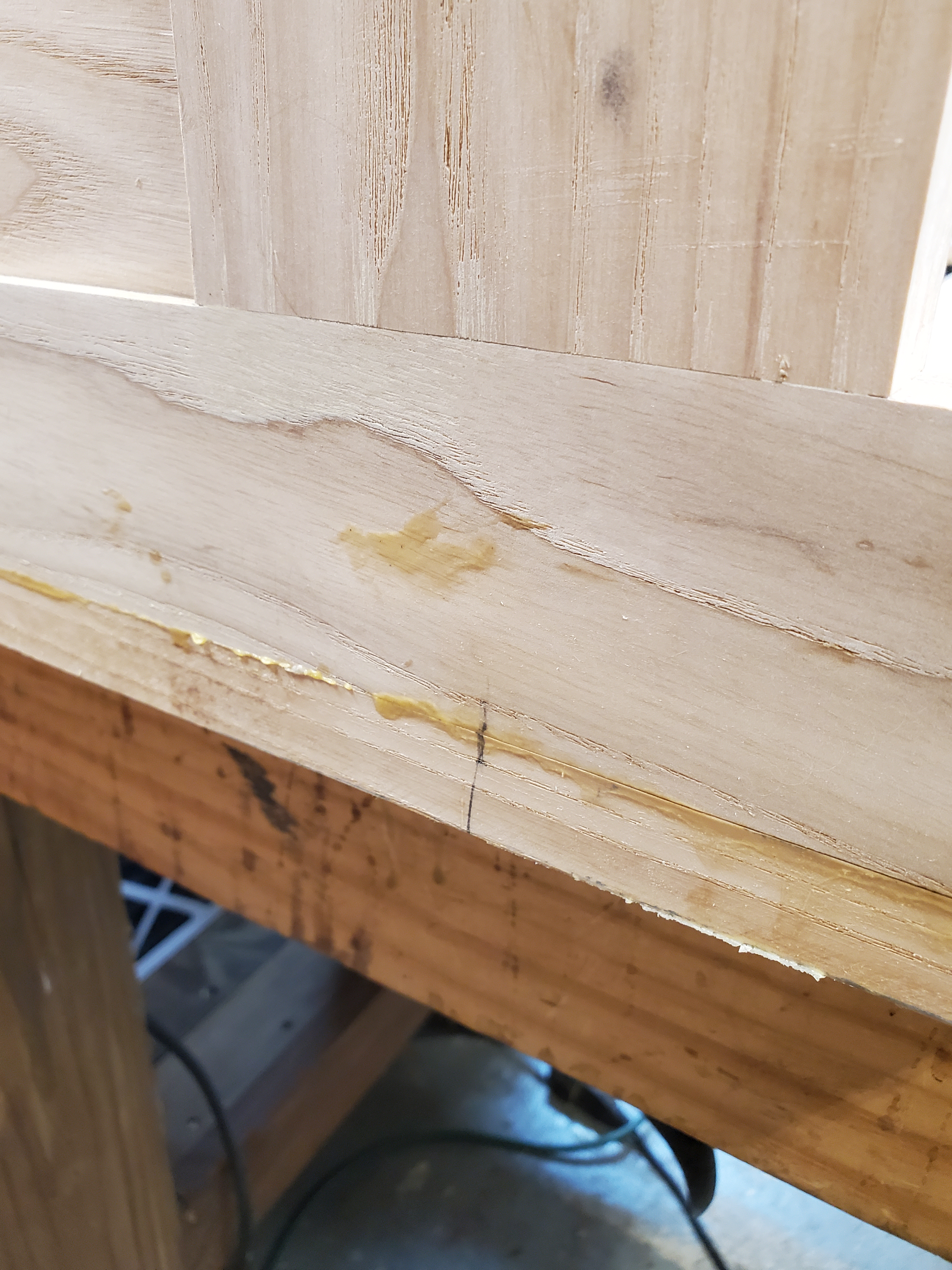
The first thing I did was make the legs by glueing up boards into a square. There’s a special lock miter router bit for this purpose but I have always heard that your stock has to be completely straight and flat in order for the bit to work well. My boards were neither, so I opted for 45 degree cuts and a lot of clamping pressure with band clamps and duct tape. Fortunately, they came out fine.
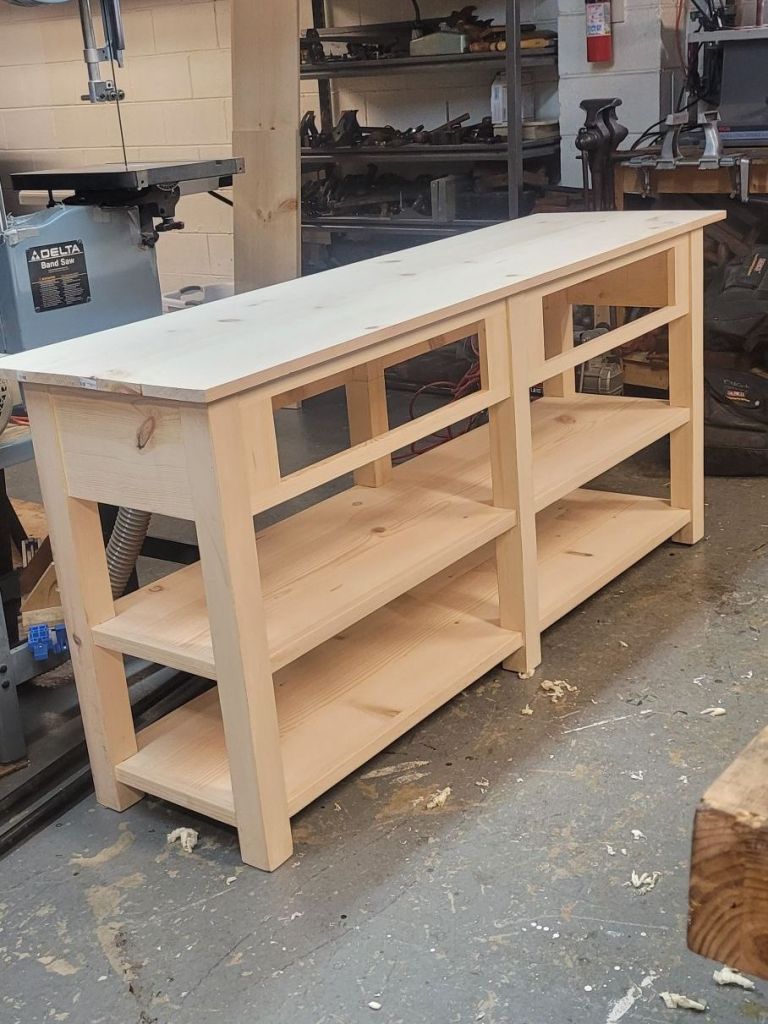
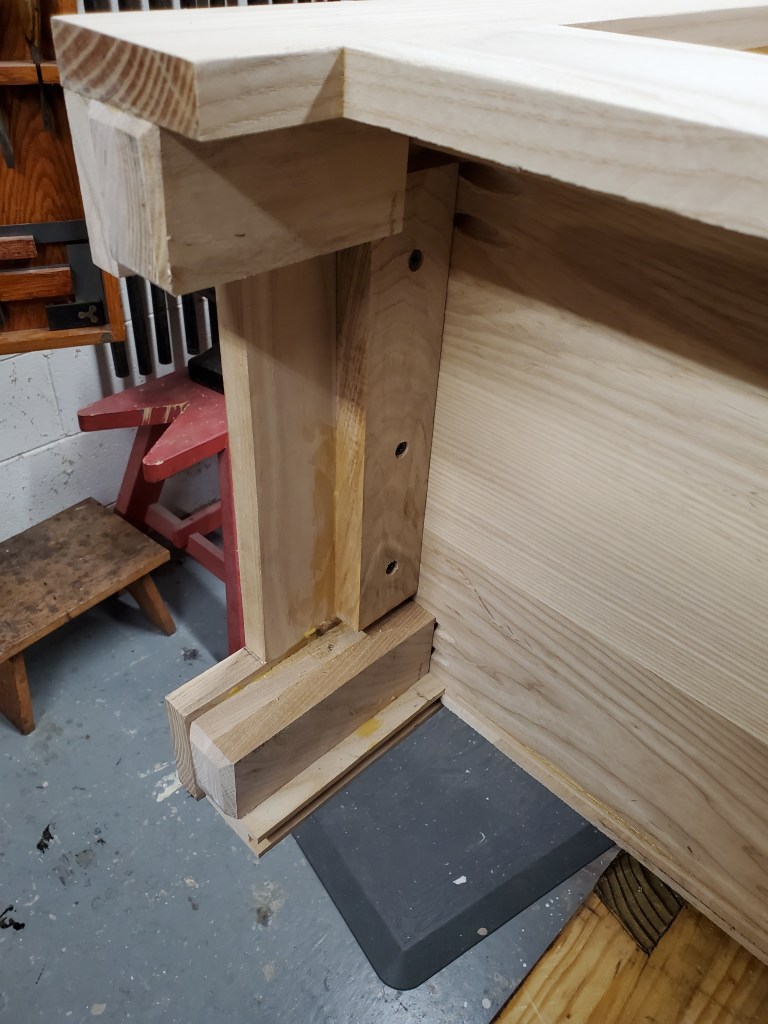
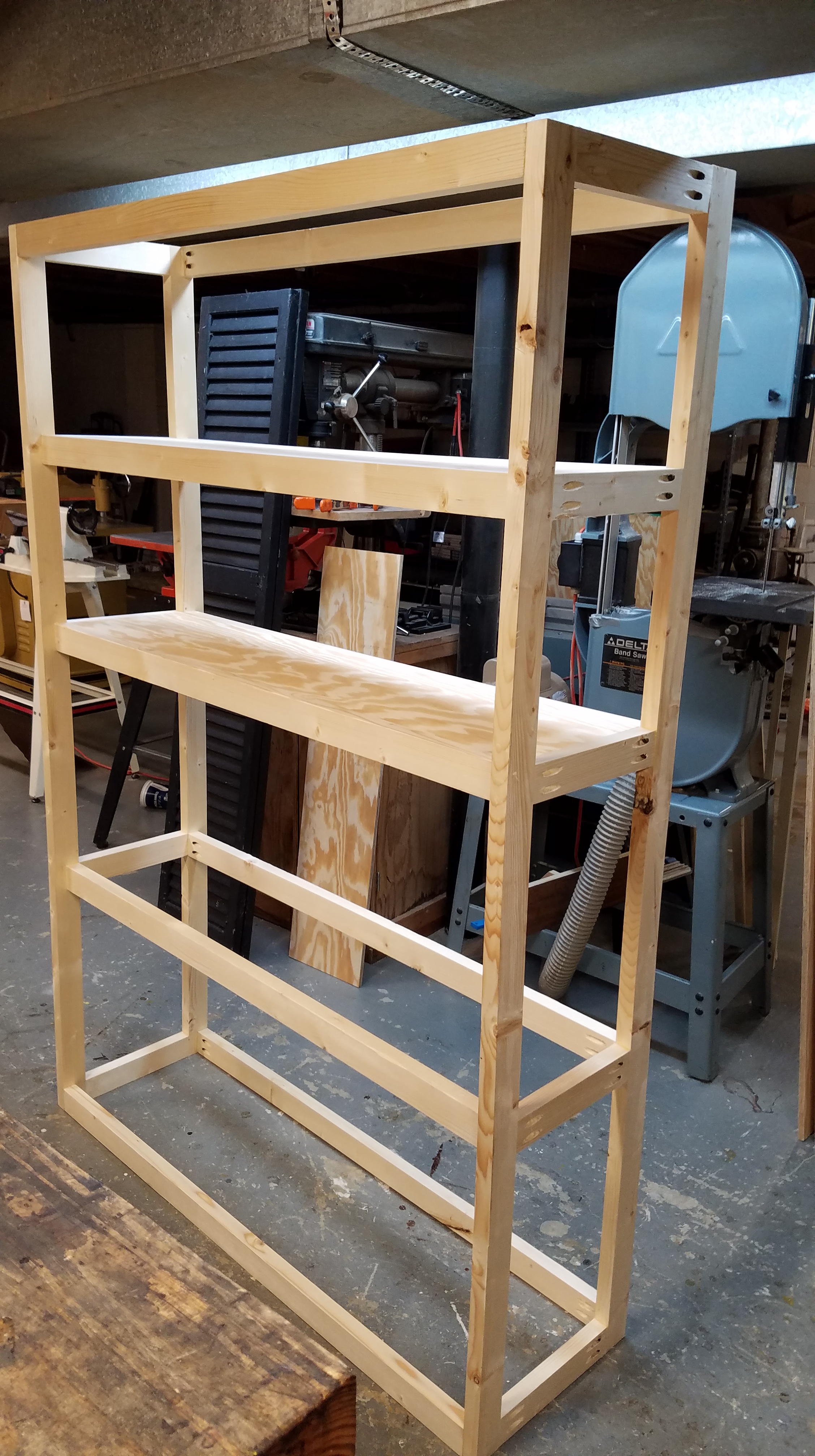
After the legs were made, I cut notches into them to fit the shelves. Then I wrapped the edge of the shelves with 1 1/4″ pieces of wood. On the end grain, I used a little bit of glue and pocket screws for the wood movemnet. The rest of the base was built with Festool Dominoes and glue.
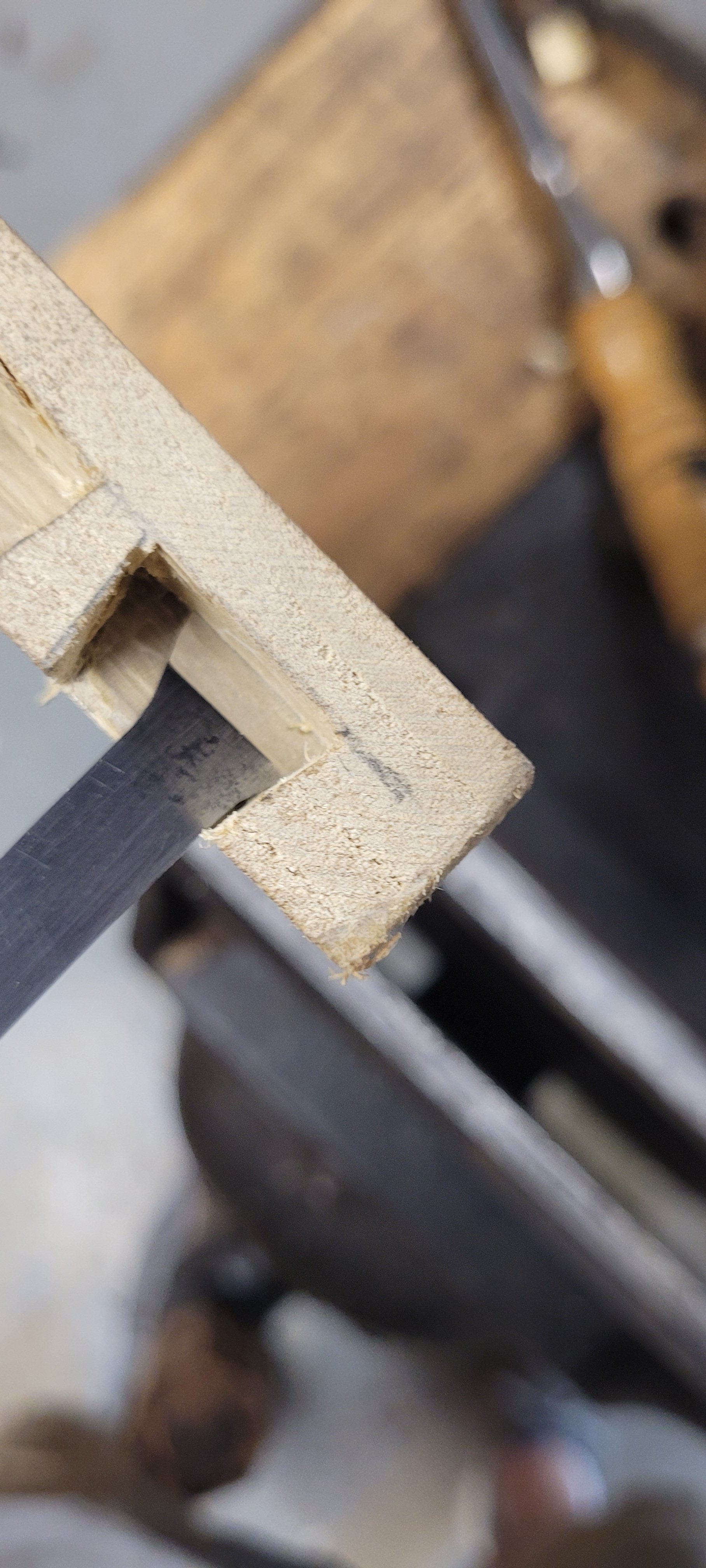
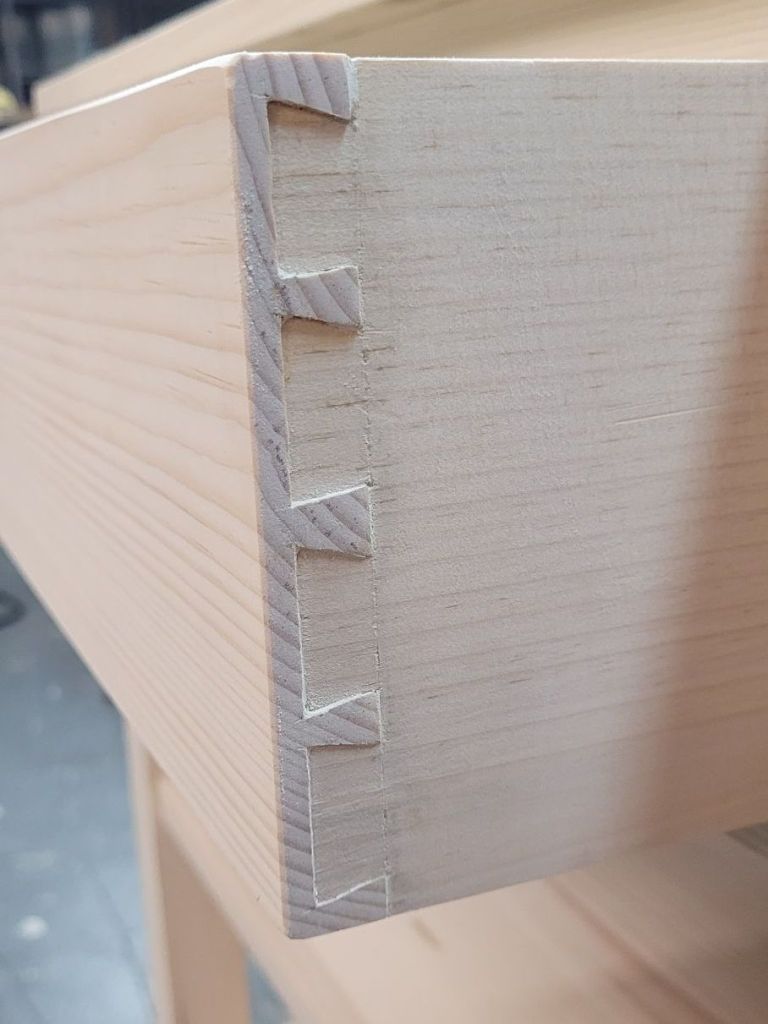
I wanted robust drawers so I made those with handcut half blind dovetails. It’s a lot of fun cutting dovetails by hand and it really doesn’t take too long once you get the hang of it.
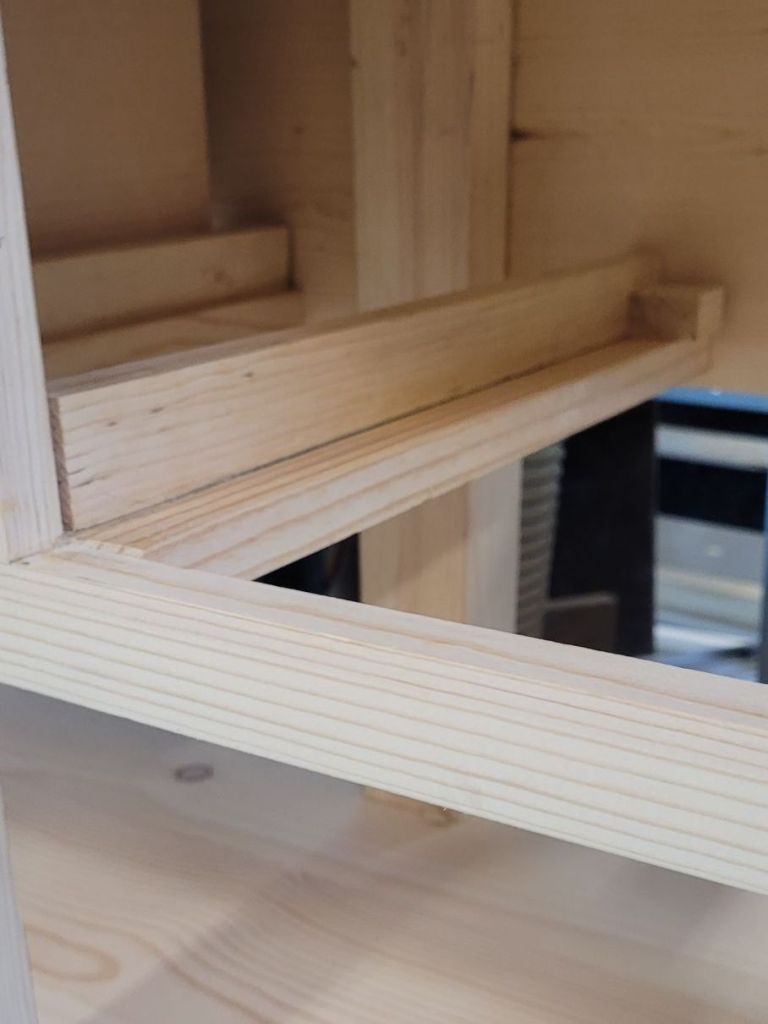
I wanted to make sure that the drawers wouldn’t bind, so I made the drawers a 1/8″ smaller in length and height so there would be a 1/16″ gap all around. I made sure the drawer runners were 1/16″ proud of the opening and screwed them in place with pocket screws and glue.
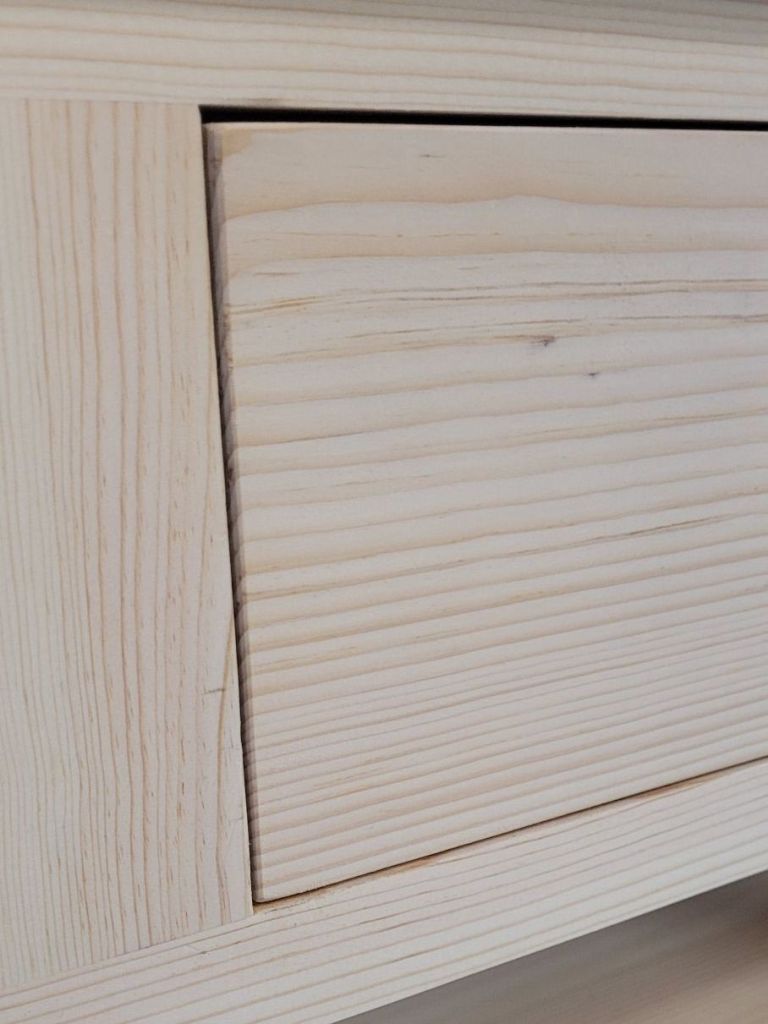
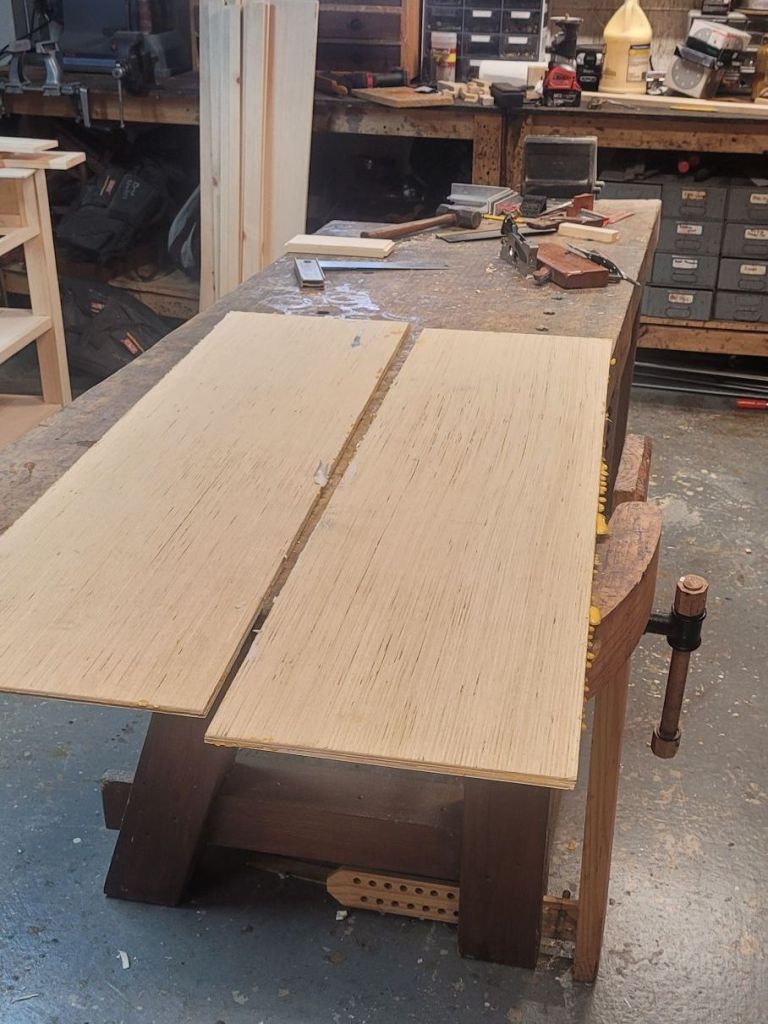
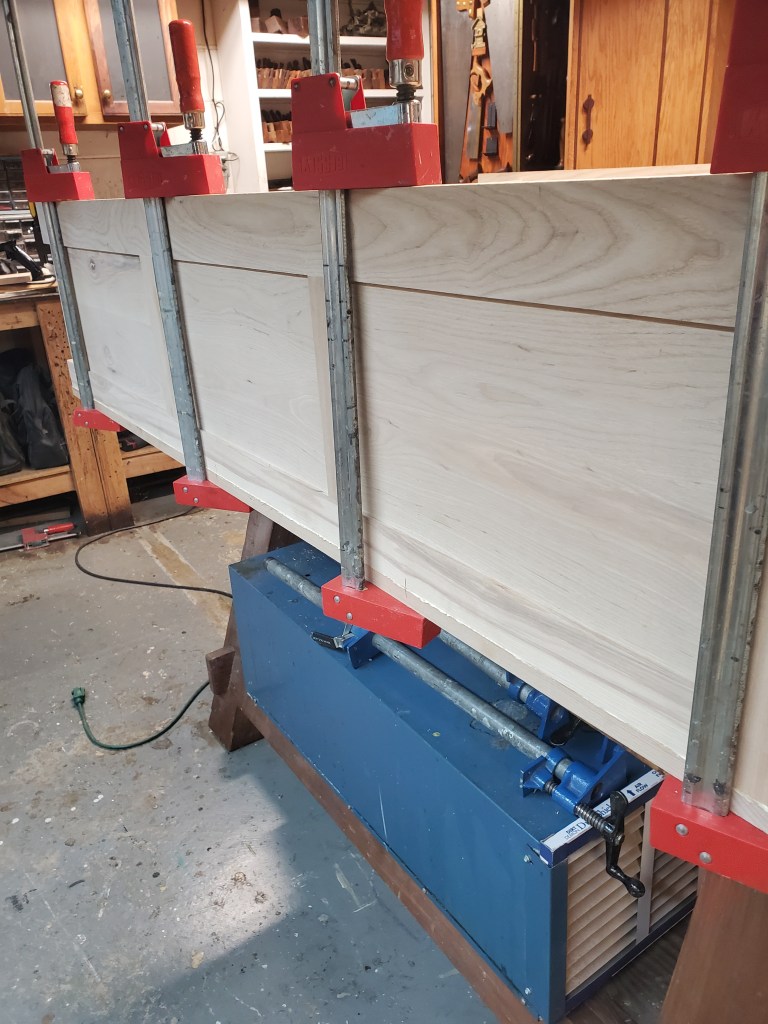
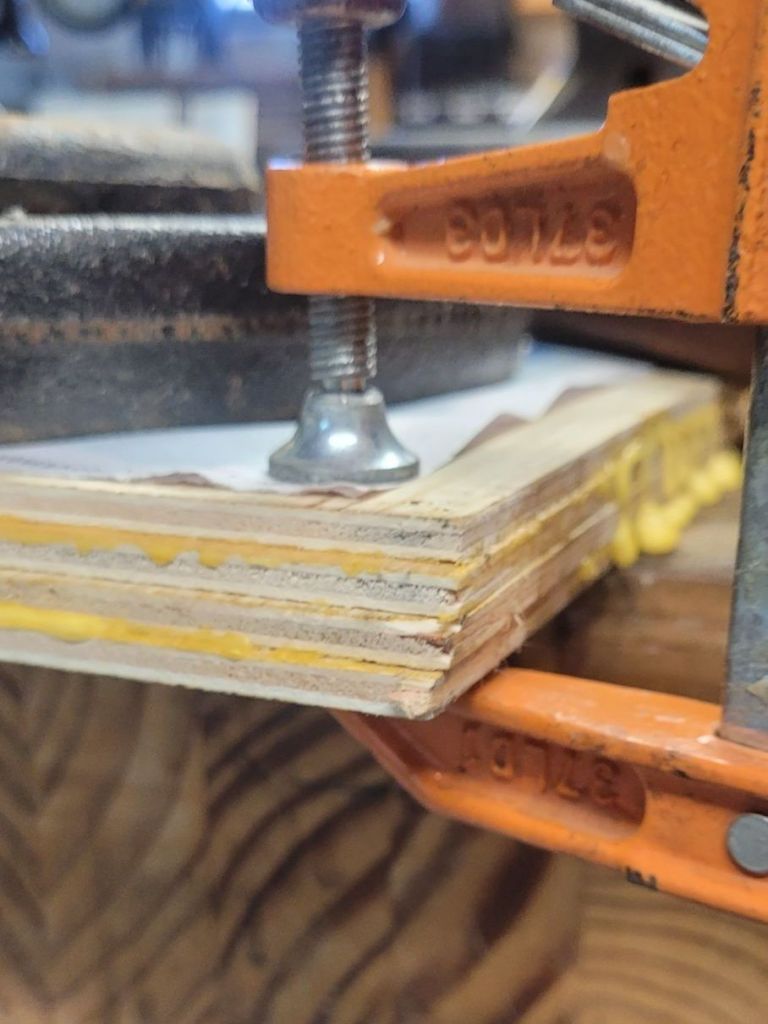
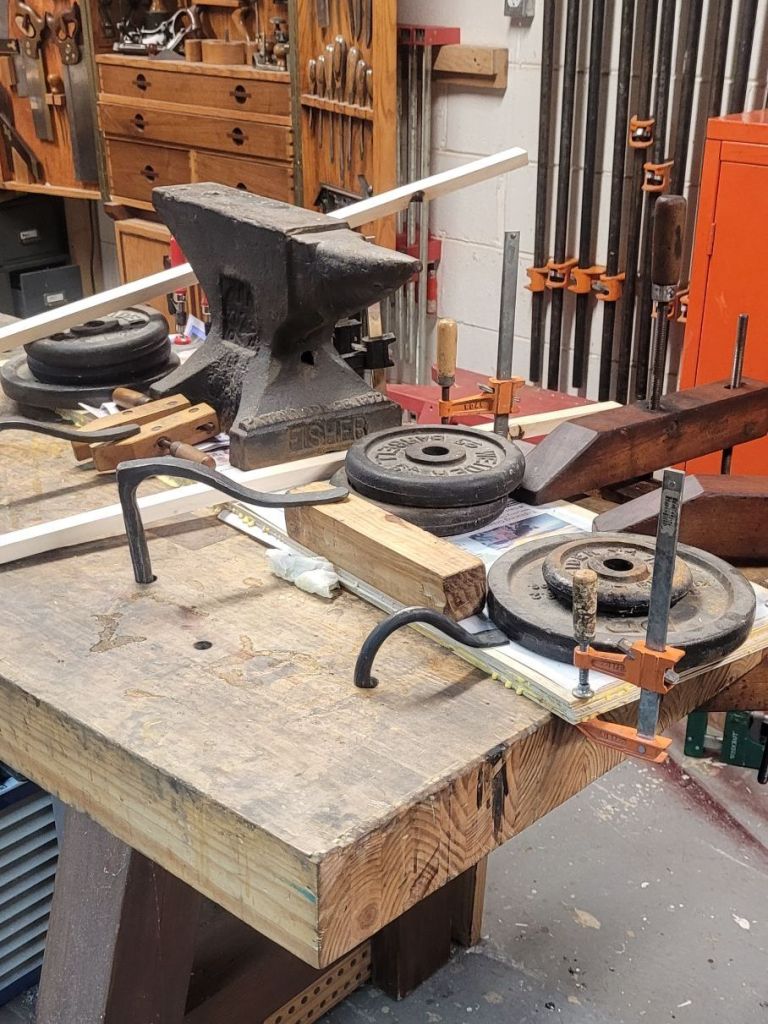
Once the base was made, I focused on the top. I wanted the sides to have a thicker panel in the middle of them, so I glued up the 1/8″ panels together. I used as many clamps I could find and stuck newspaper between the two panels so they wouldn’t stick together. Luckily, when the panels dried, I was left with two oversized panels for the sides of the cabinet.
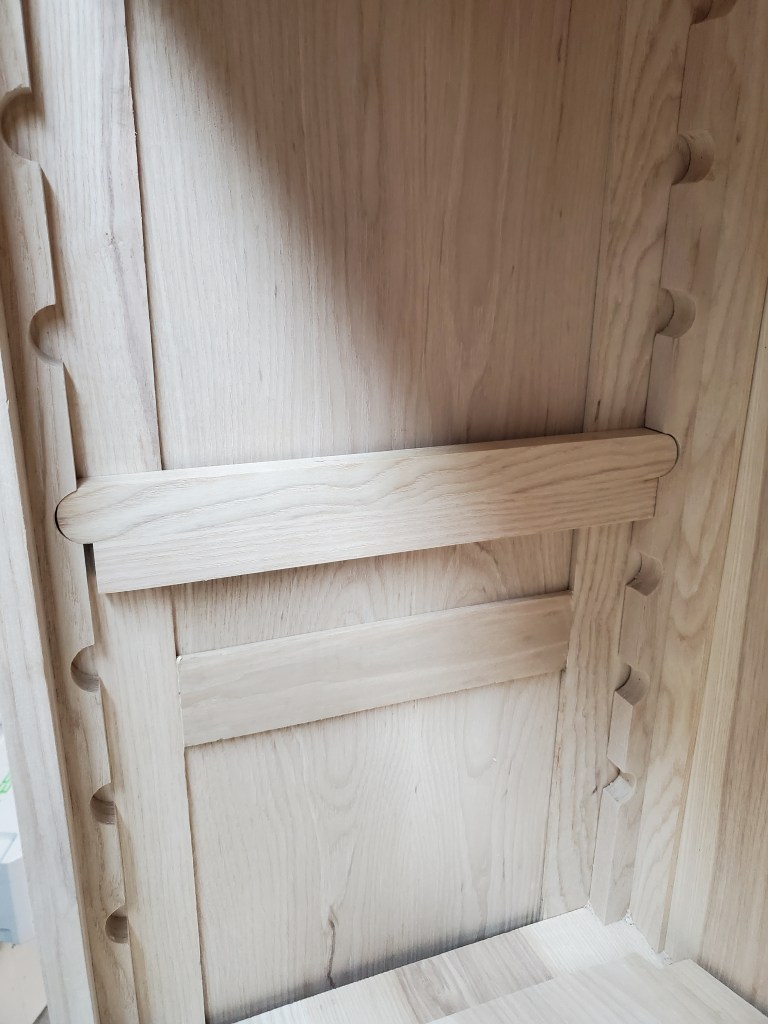
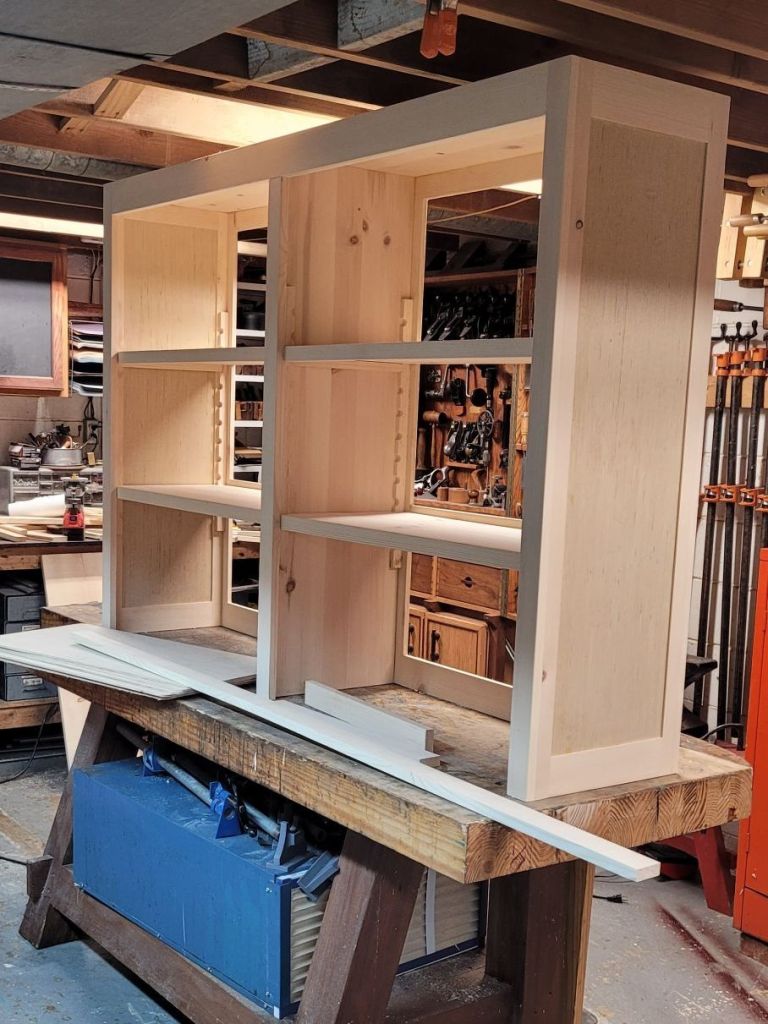
I built the case with more Dominoes and glue and created adjustable shelf supports with the scrap wood I had left over.
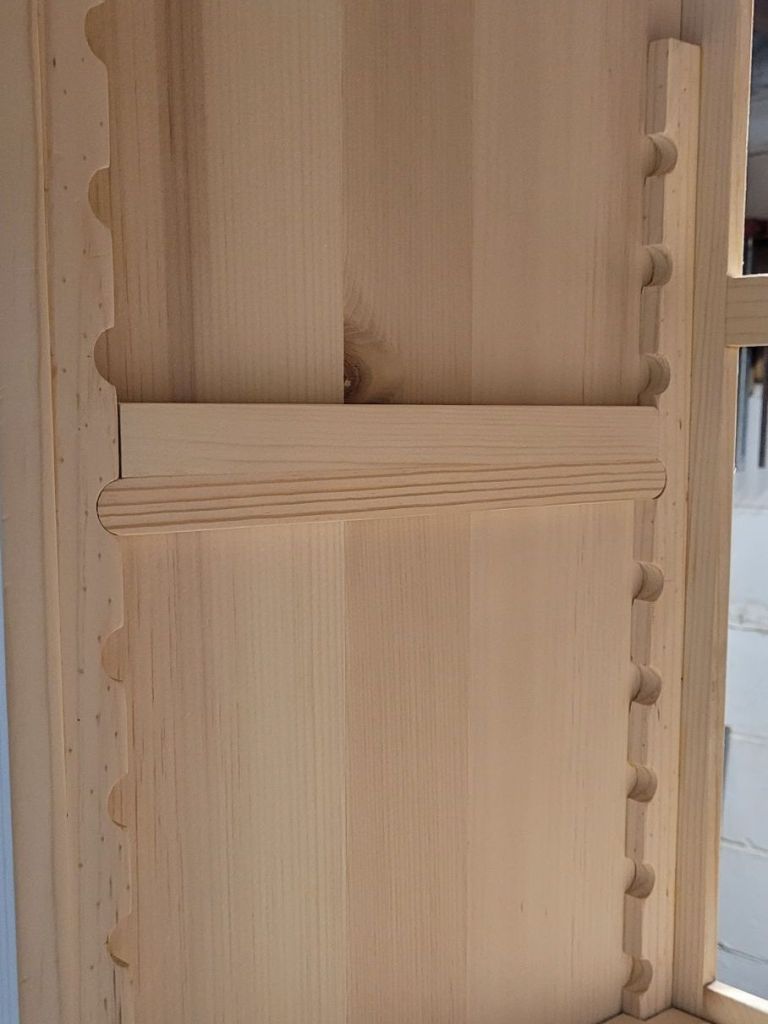
I love this technique for adjustable shelves. You drill a 3/4″ hole every 2″ then you rip the piece in half on the table saw. Then for the support, you add a 1″ filler on the bottom of the support stick. This way, if you need your shelf 1″ higher, you simply flip over your shelf support.
I installed the back with more of the 1/8″ thick panel wood and Anita put a natural aging solution on the piece as she didn’t want it stained.
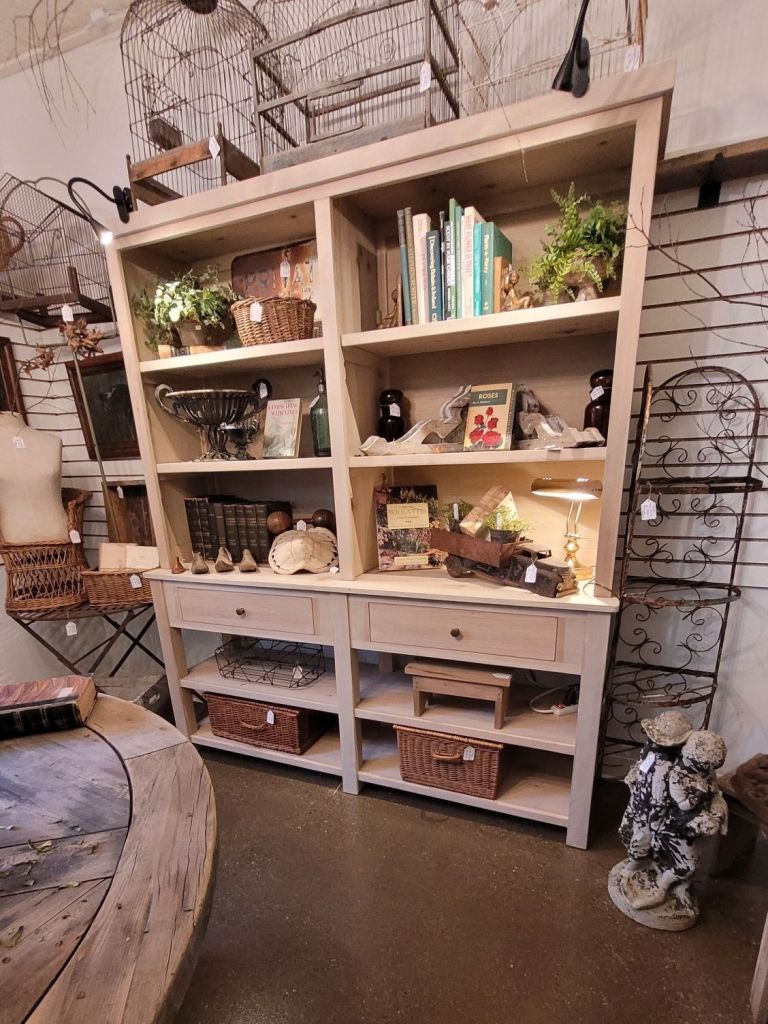
People in the antique shop love the piece and are perplexed that I built it out of 1×12’s from Lowes.
My Next Shed

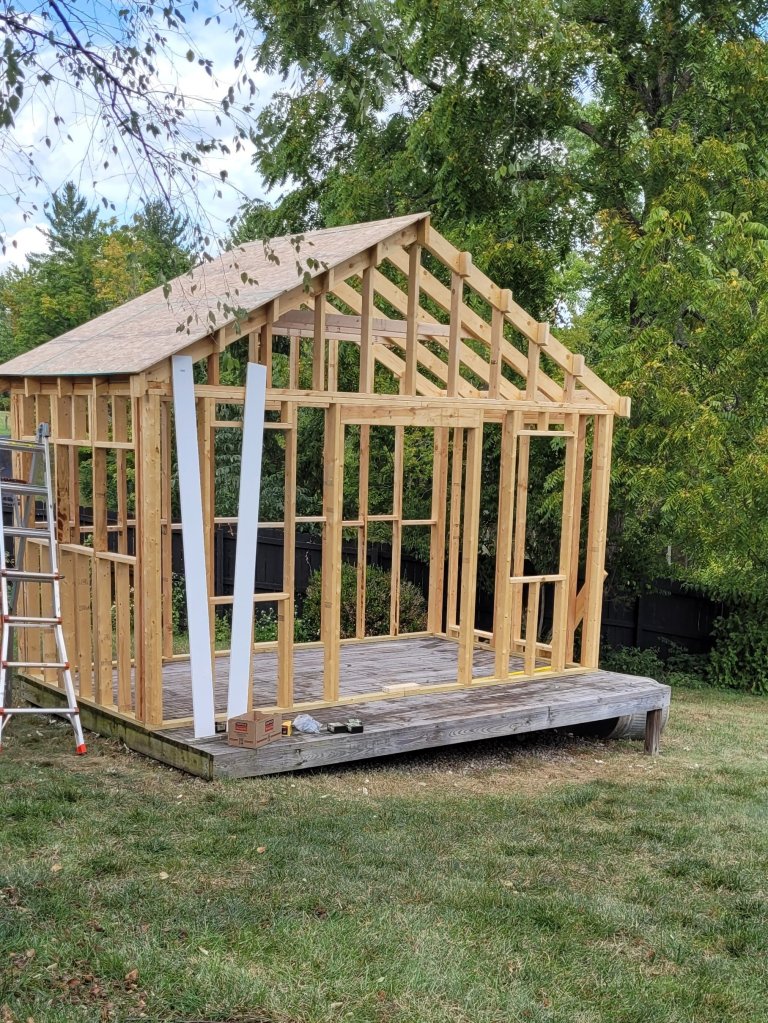
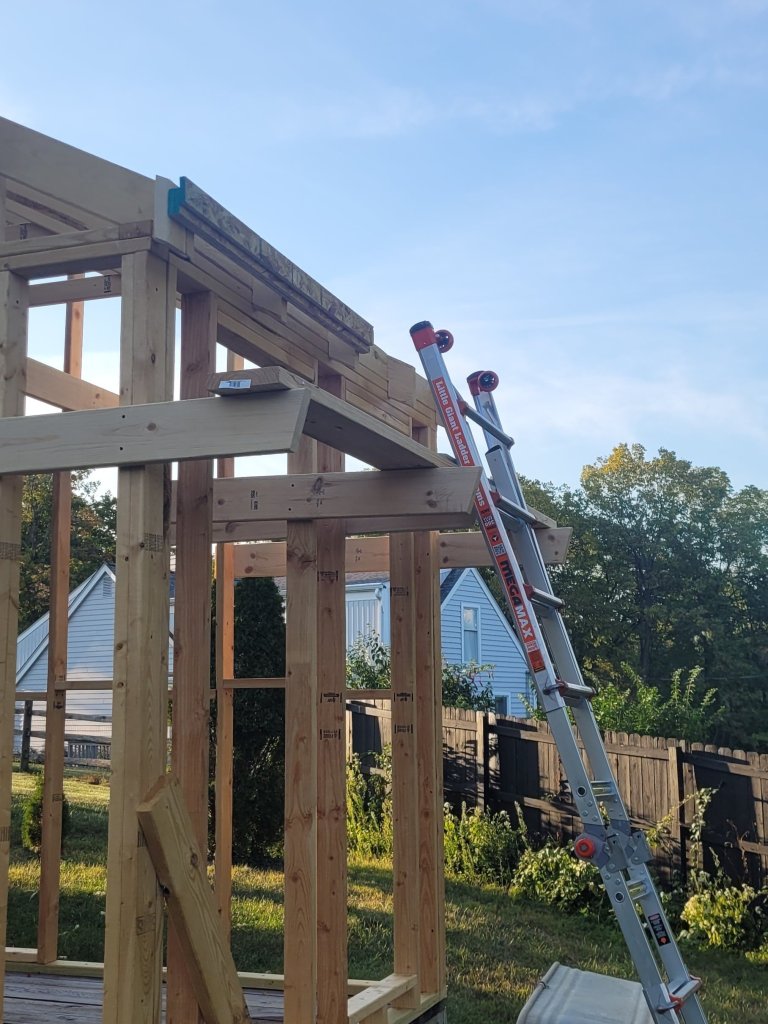
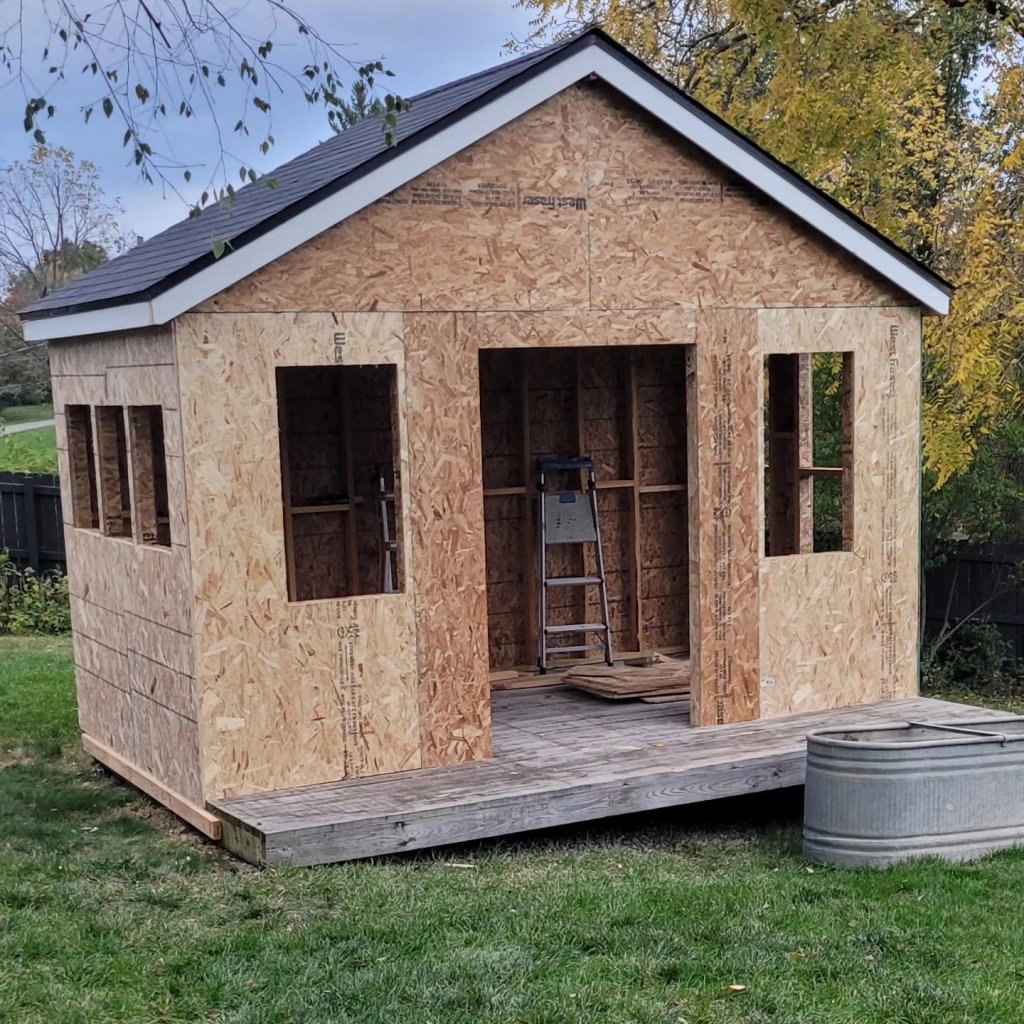
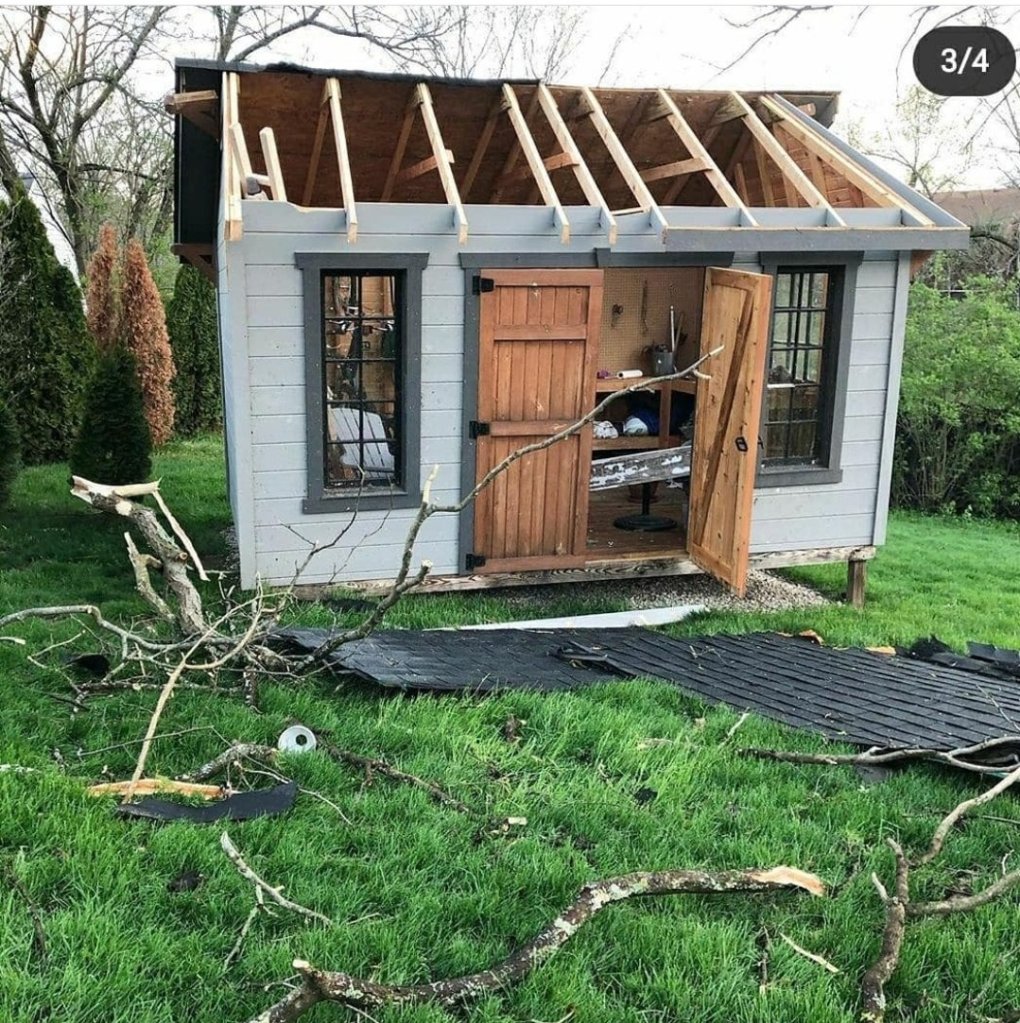
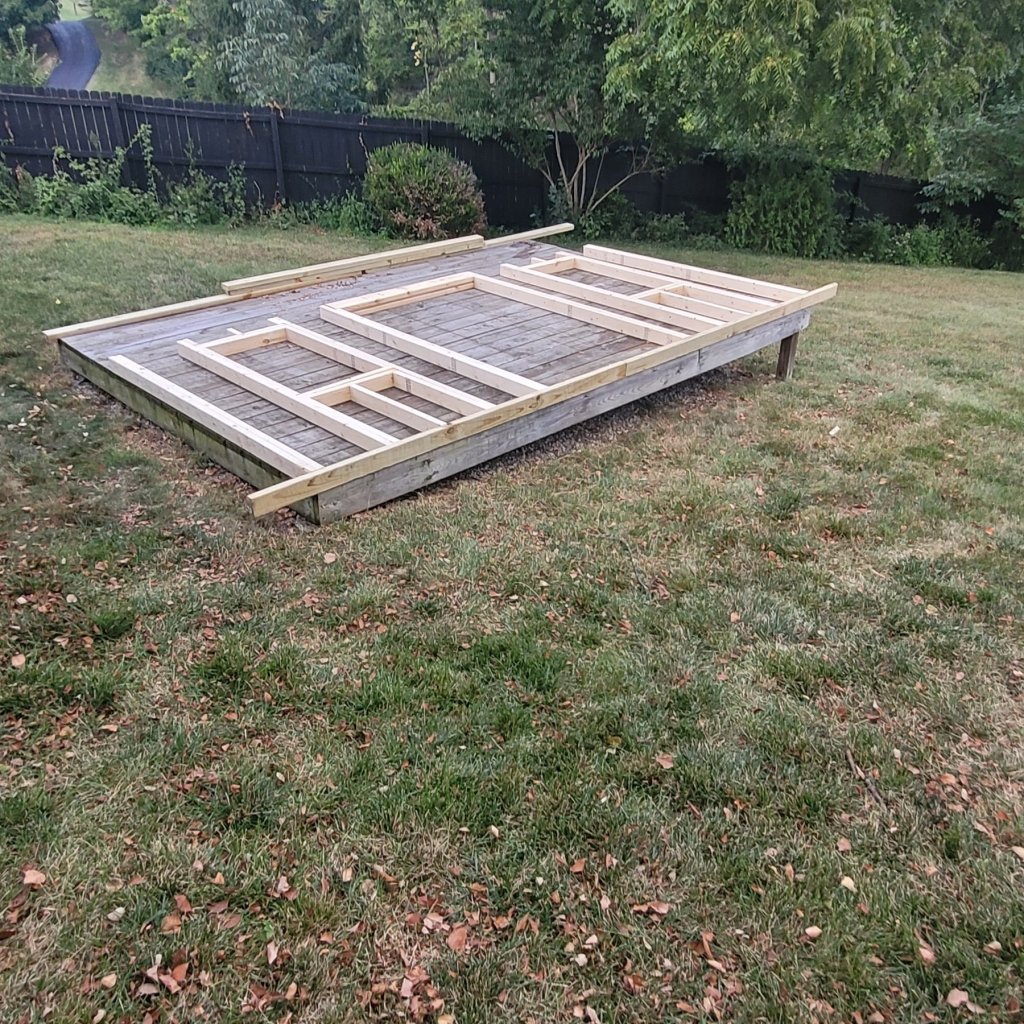
Three years after my original shed was destroyed in a tornado, I finally decided it was time to rebuild a new one. I designed a new shed that would only be 7’x 10′ on the original 10′ x 14′ deck platform where the original stood. My wife and I wanted to have a little deck to step onto instead of stepping directly from the grass.

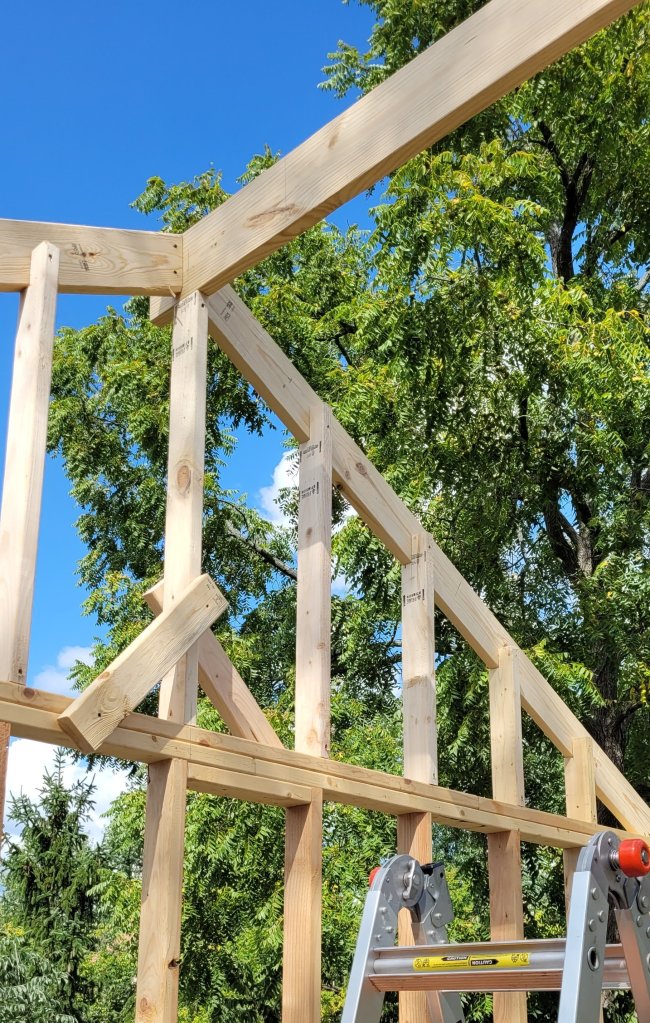
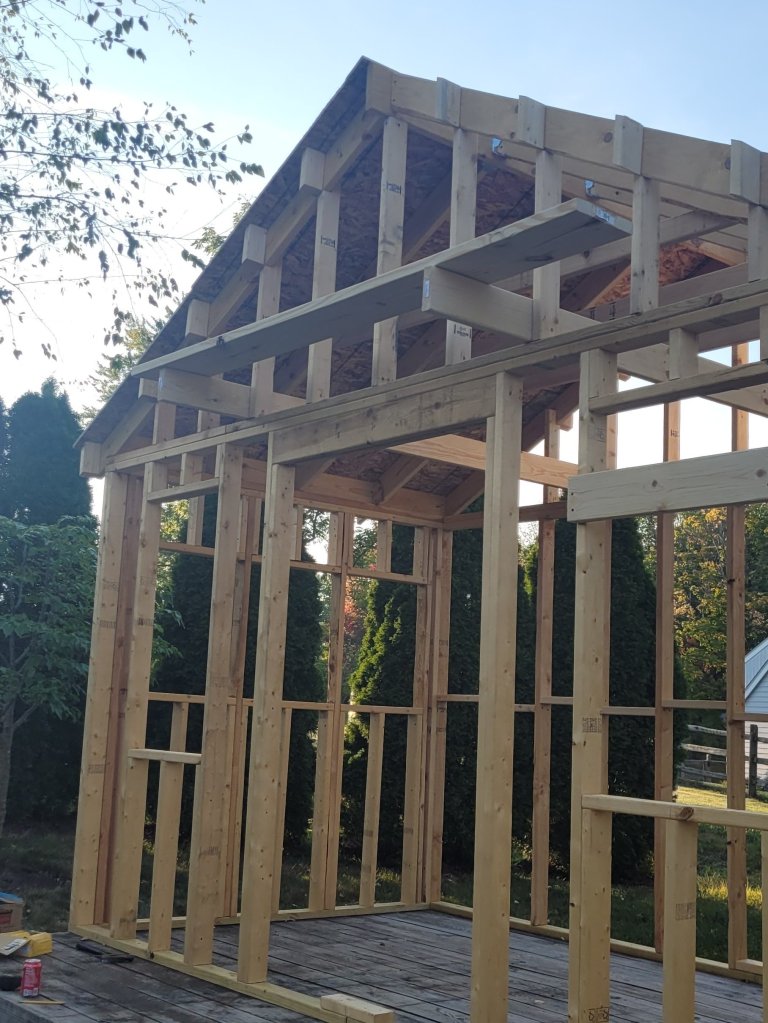
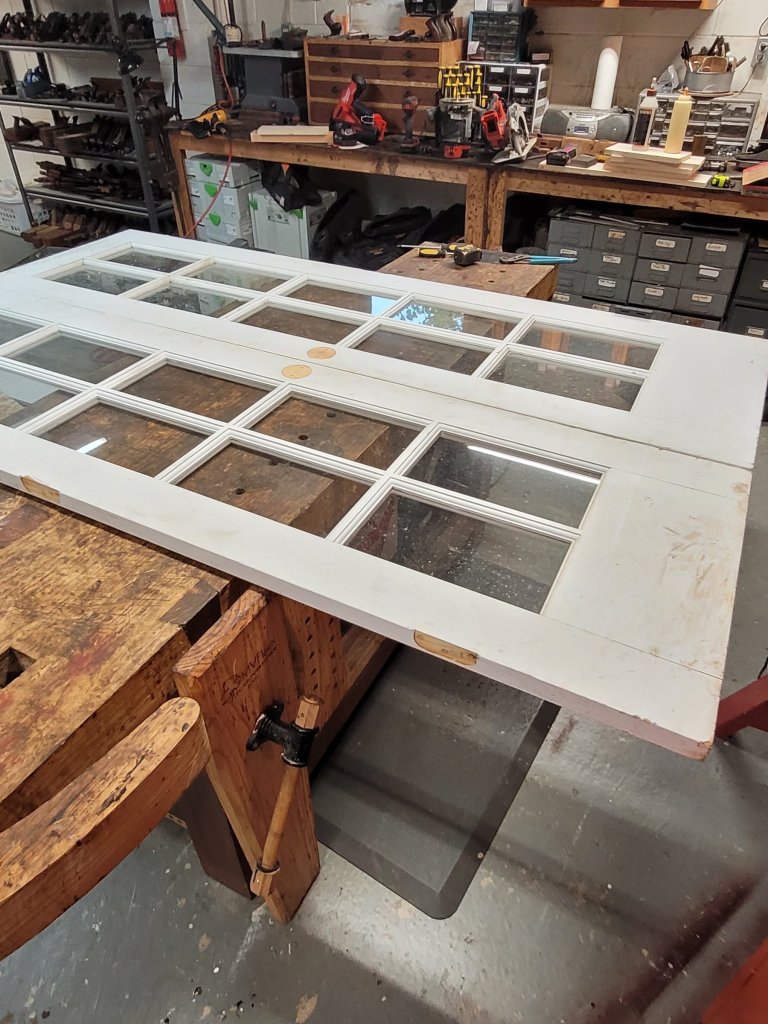
The new shed will have nine windows and two french doors in the front. I built the roof trusses in the opposite direction from the original one with stronger bracing for the wild winds we get.

With the framing done, I worked on the roof and sheathing. I had to build platforms made from 2×12’s on three sides of shed in order to work safely.

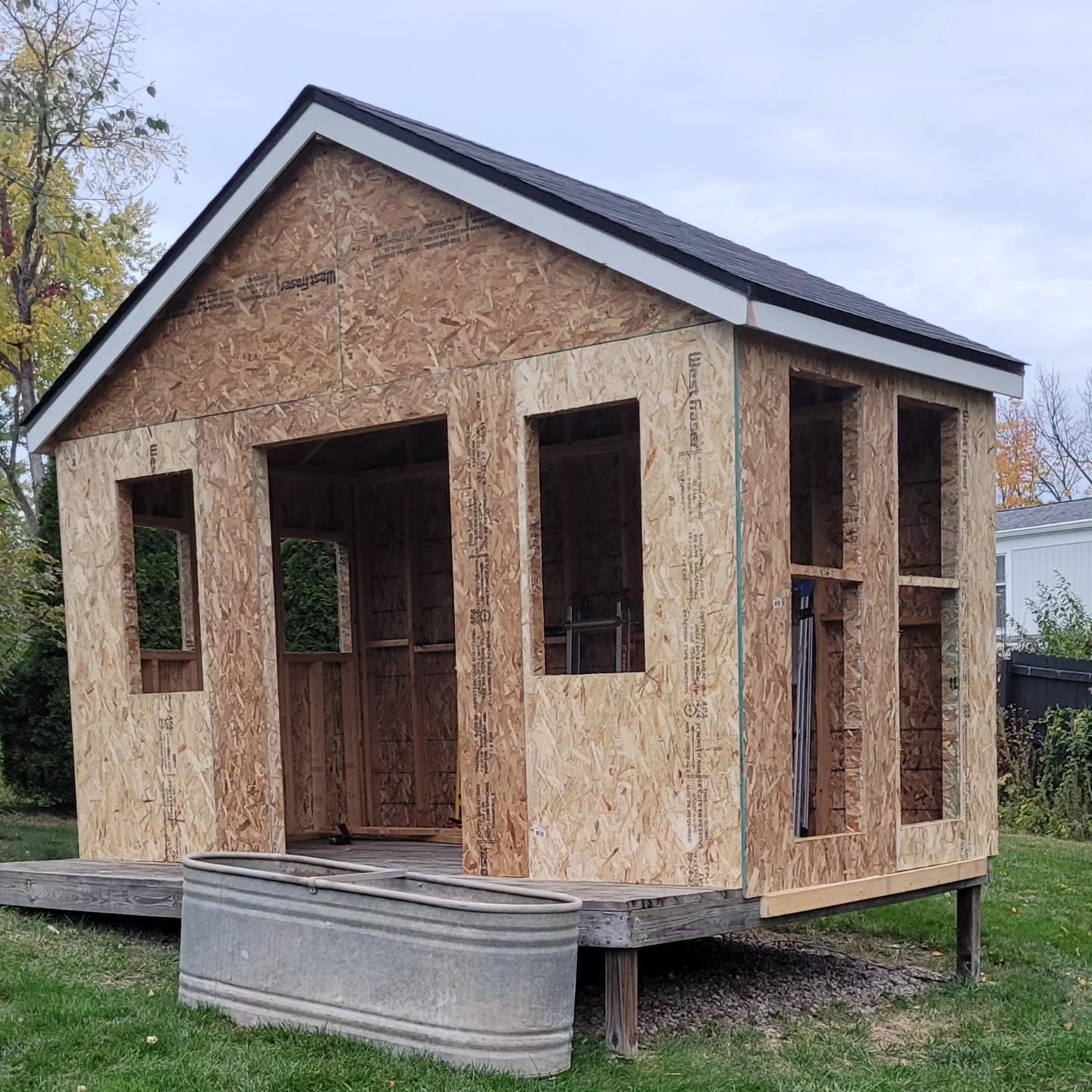
After the roof shingles and soffit were installed, I put 1/2″ sheathing around the shed. This shed is much stronger than the first one as that had just carsiding nailed onto the 2×4 framing.

I spent some time working on the doors and windows. We bought wooden windows at Menards, and I built frames around them in order to function. Four large windows are fixed while the other five swing open.

I wrapped the shed with 8″ wide shiplap and ran it vertical. Then, I spent time installing the doors, windows, and trim. Next, we need to paint the shed, but we may have to wait until spring until it gets warm again. In the meantime, I’ll work on the inside of the shed. It’s taken me three months to get this far working on it during the weekends, and I still have a bunch more to do.

Custom Block Plane Tail

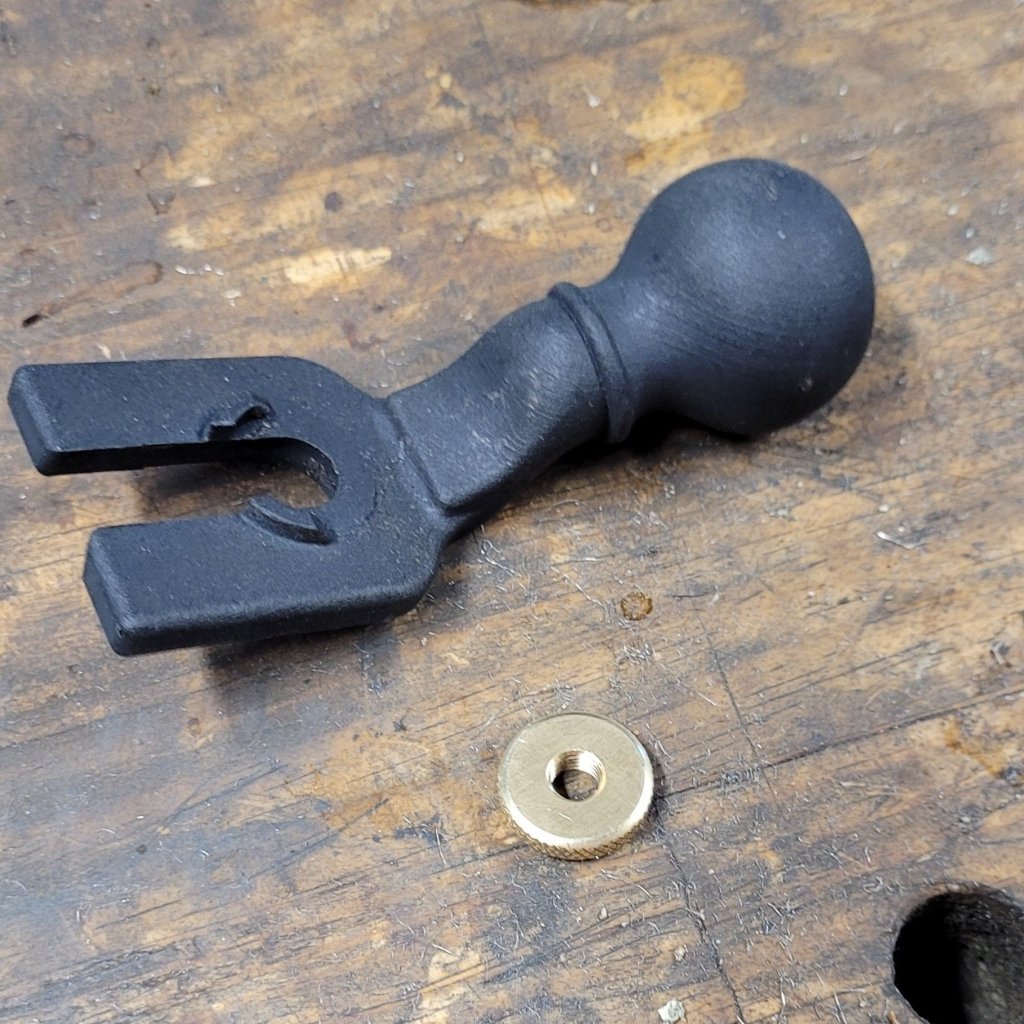
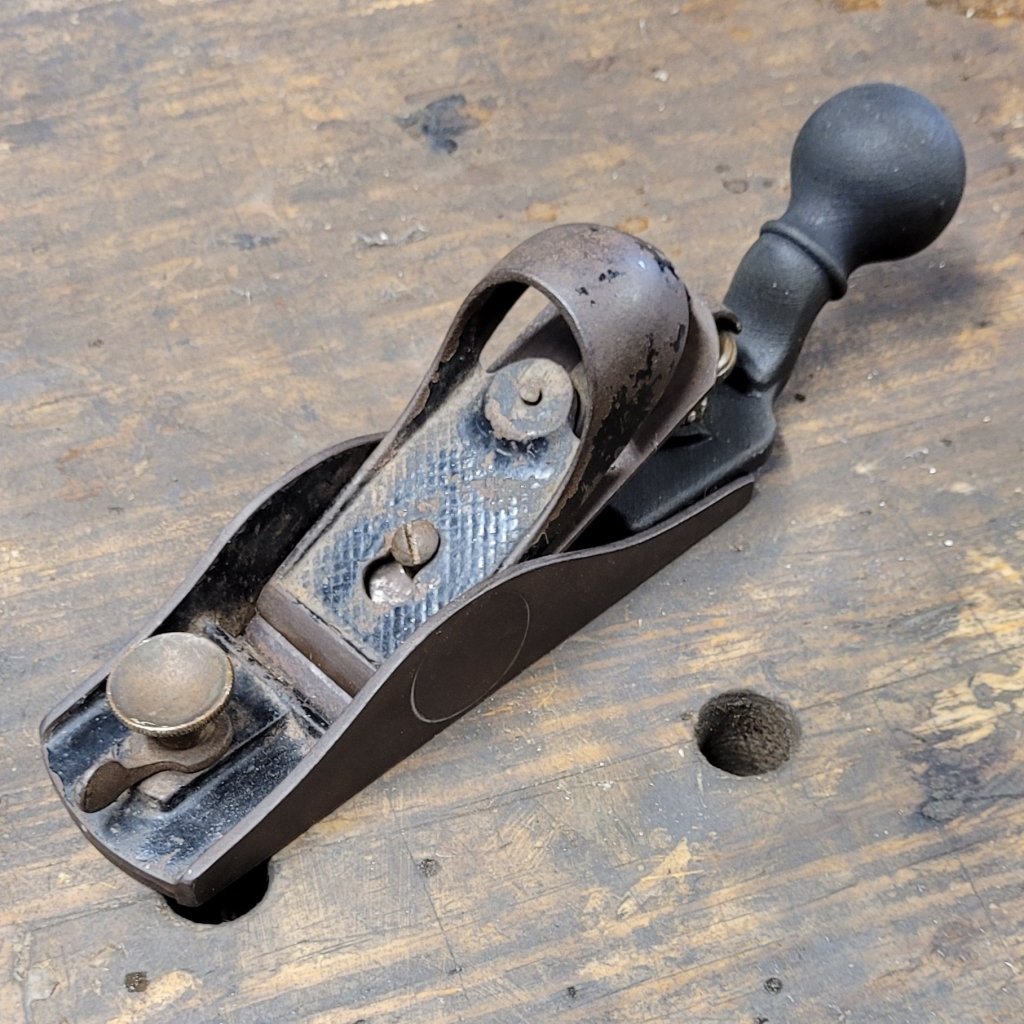
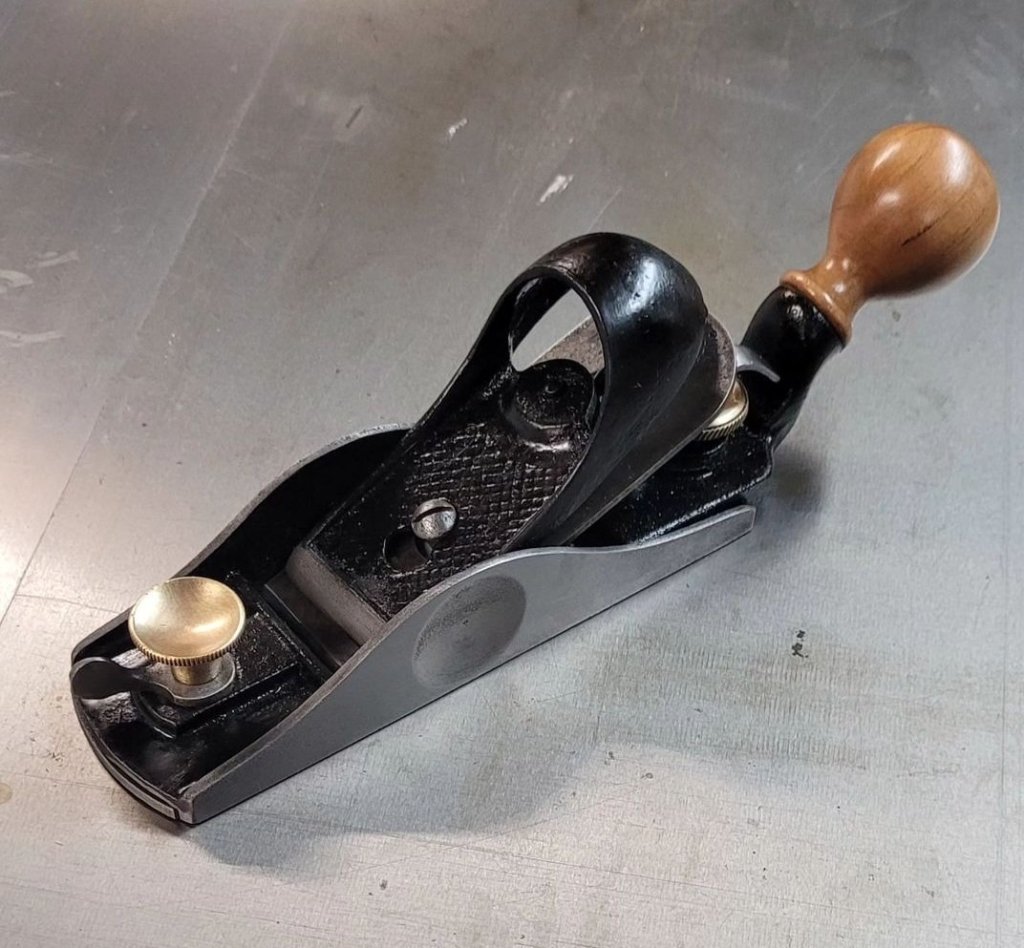
When I bought my Tote Turner a few months ago from Woodyah, I picked up this block tail accessory at the same time. This, like the Tote Turner, is printed on a 3D printer and fits Stanley block planes.

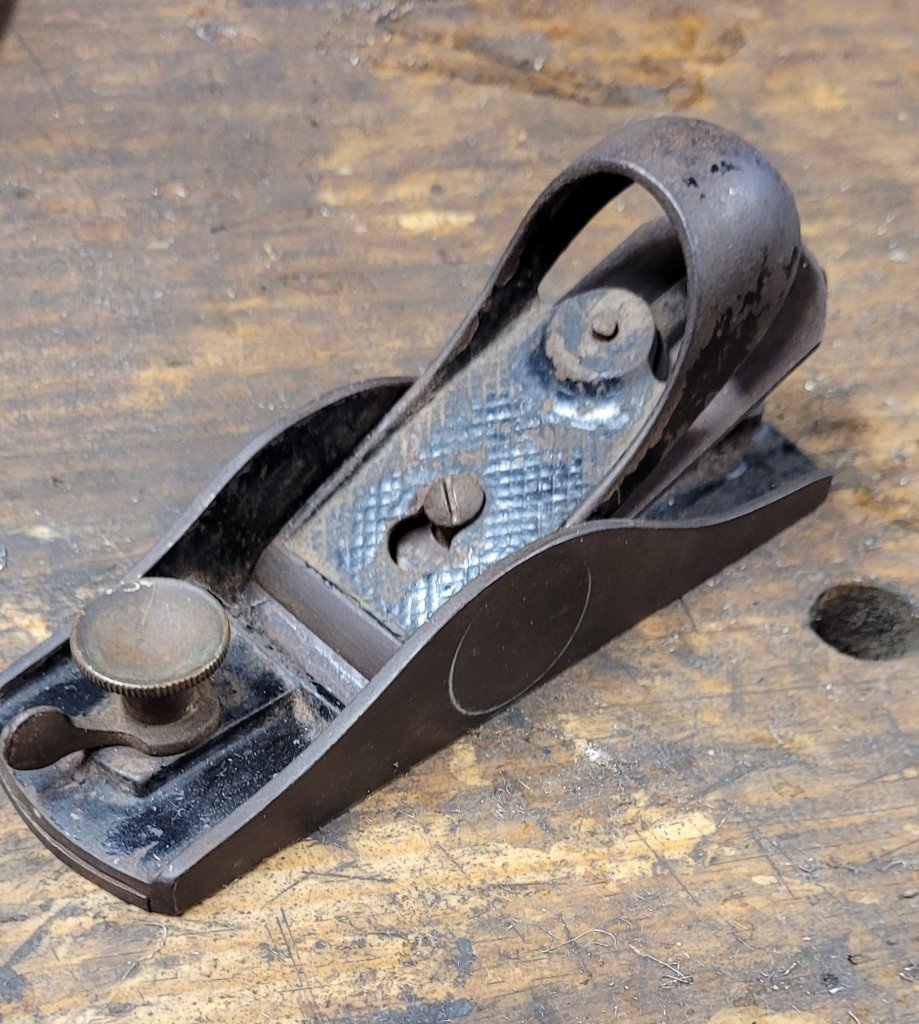
However, I wanted to install it on my Ohio Tool Co O9 1/2 block plane. Similar in size, it’s nearly identical to a Stanley No 9 1/2.

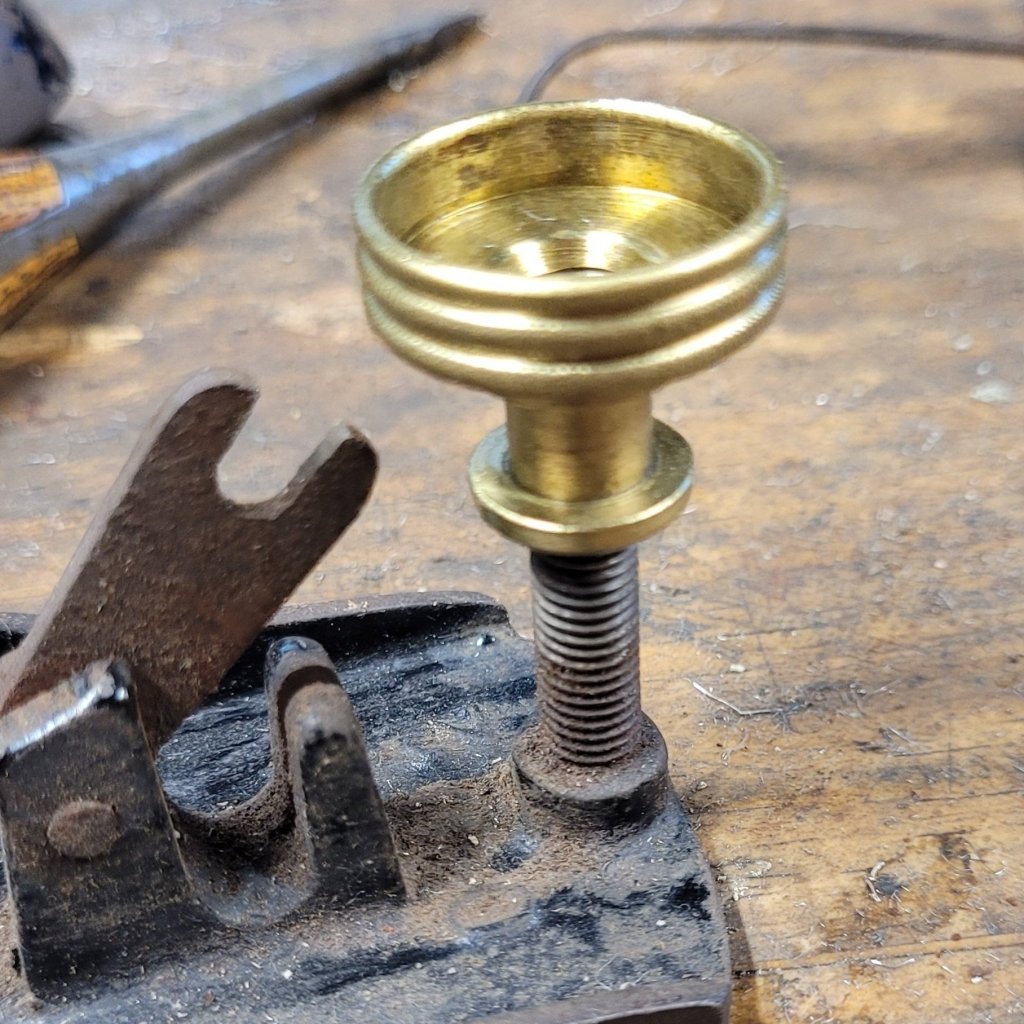
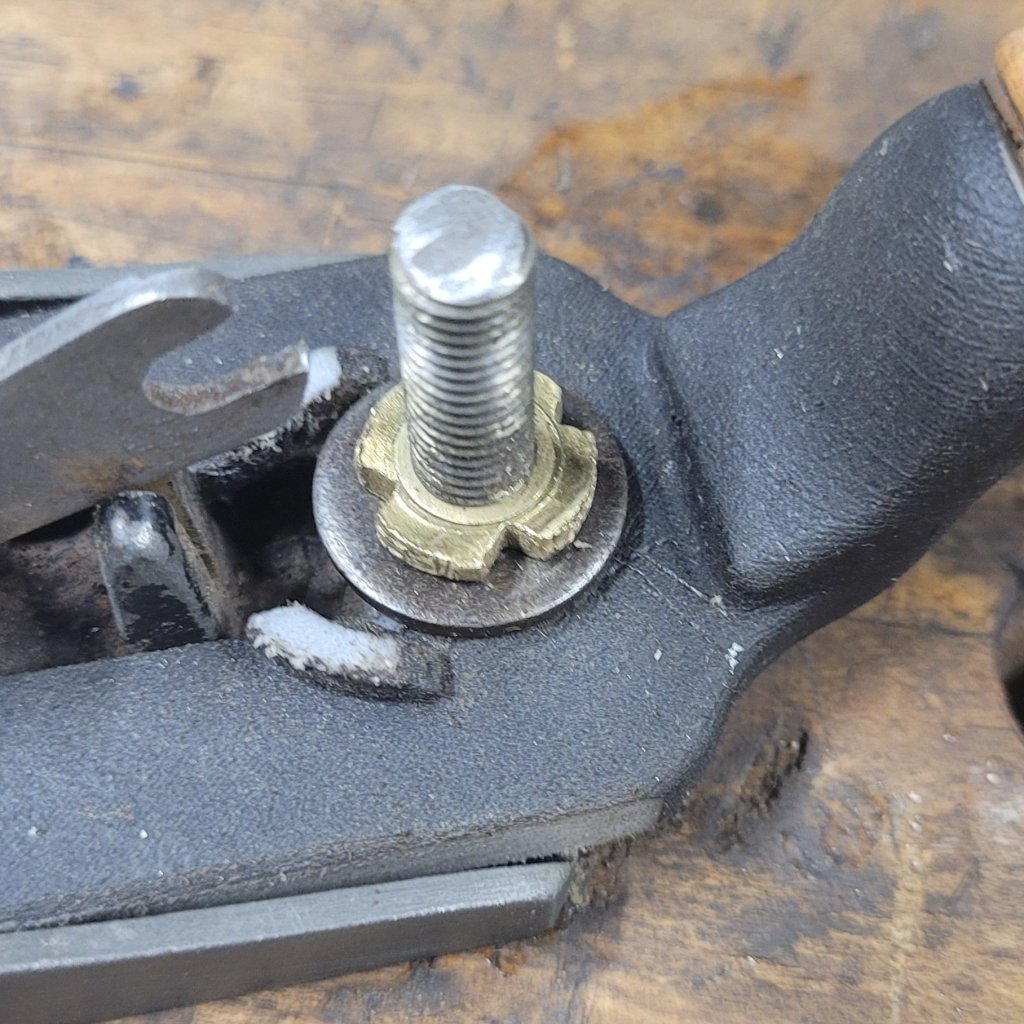
Unfortunately, the threads on my Ohio Tool Co plane are not the same as a Stanley, so the brass hold down piece won’t work. Luckily, I have an old Ohio Tool Co brass blade adjuster wheel in my parts bin, so I cut the very bottom off of the brass wheel and filed four notches in it so I could turn it with a screwdriver.

My little homemade brass hold down screw was a little too small, so I used a washer underneath to hold down the tail better.

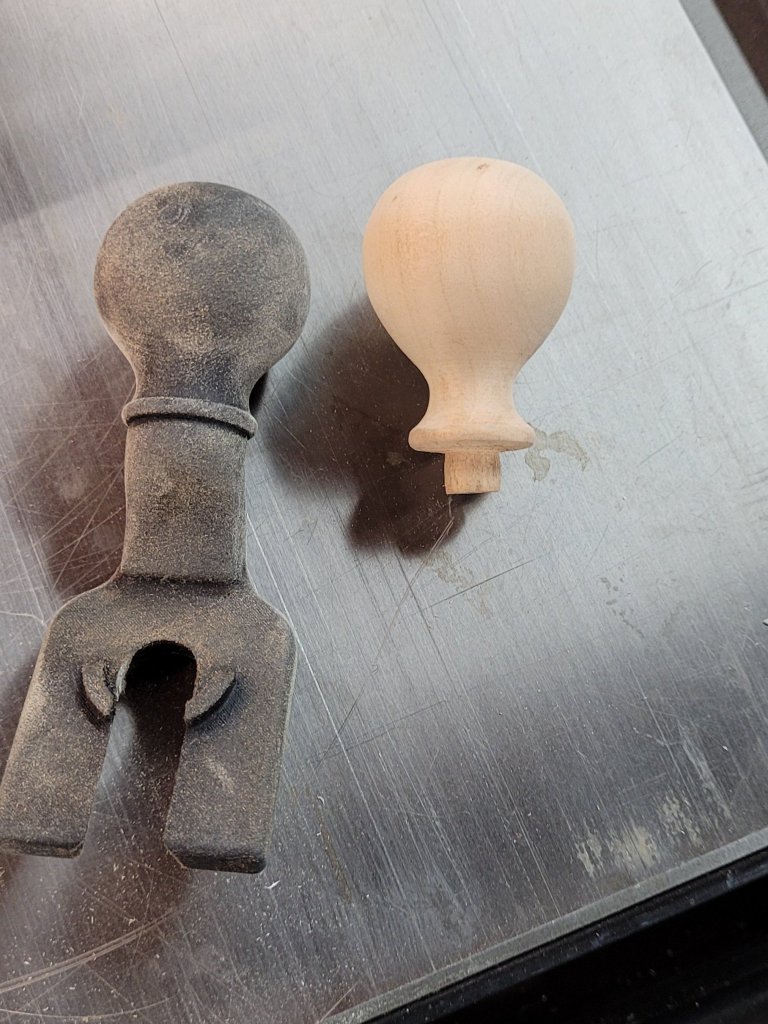
Everything worked, but I was not a big fan of the big black knob to the handle. I wanted something more historic and natural looking, so I decided to make a new knob out of cherry.

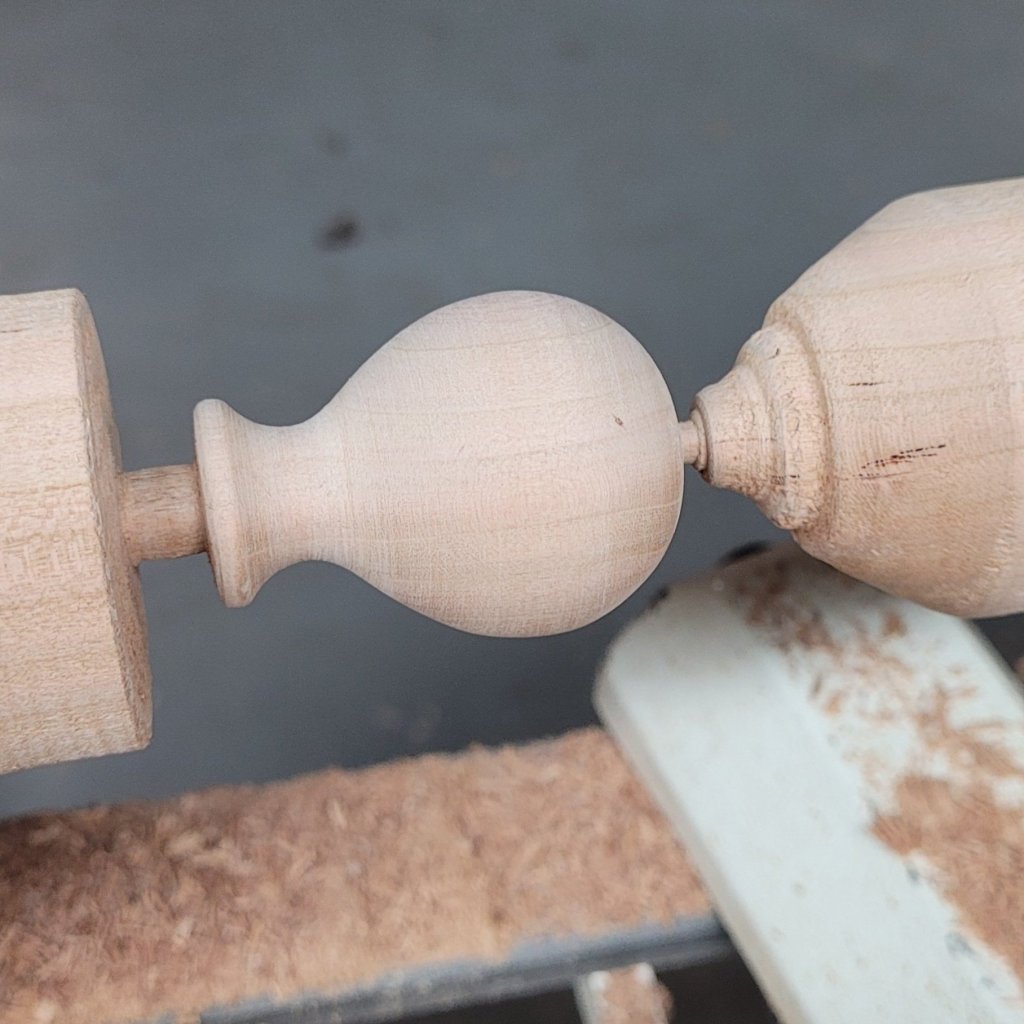
I turned a 2″ diameter knob on the lathe and added a 1/4″ tenon on the bottom.

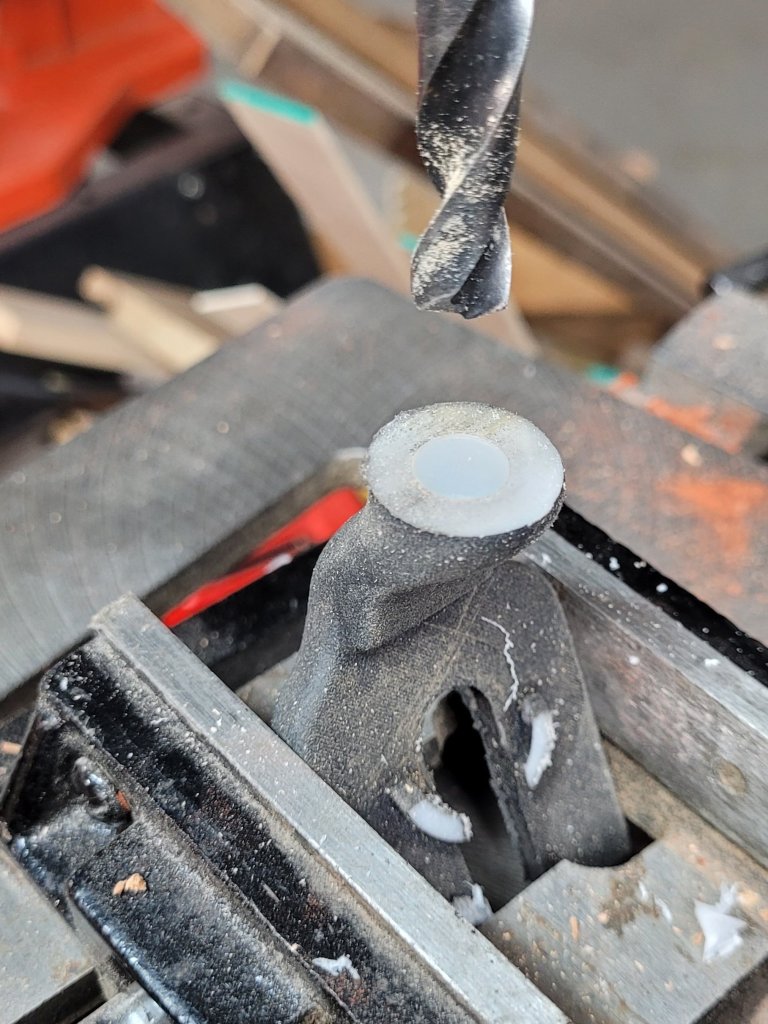
Then I sawed the ball off the tail and drilled a 1/4″ hole to accept the tenon from my wood handle.

After I cleaned the rust off the block plane, I wanted all the parts to match in color and sheen, so I japanned everything during a hot day so I could use the sun as my oven.

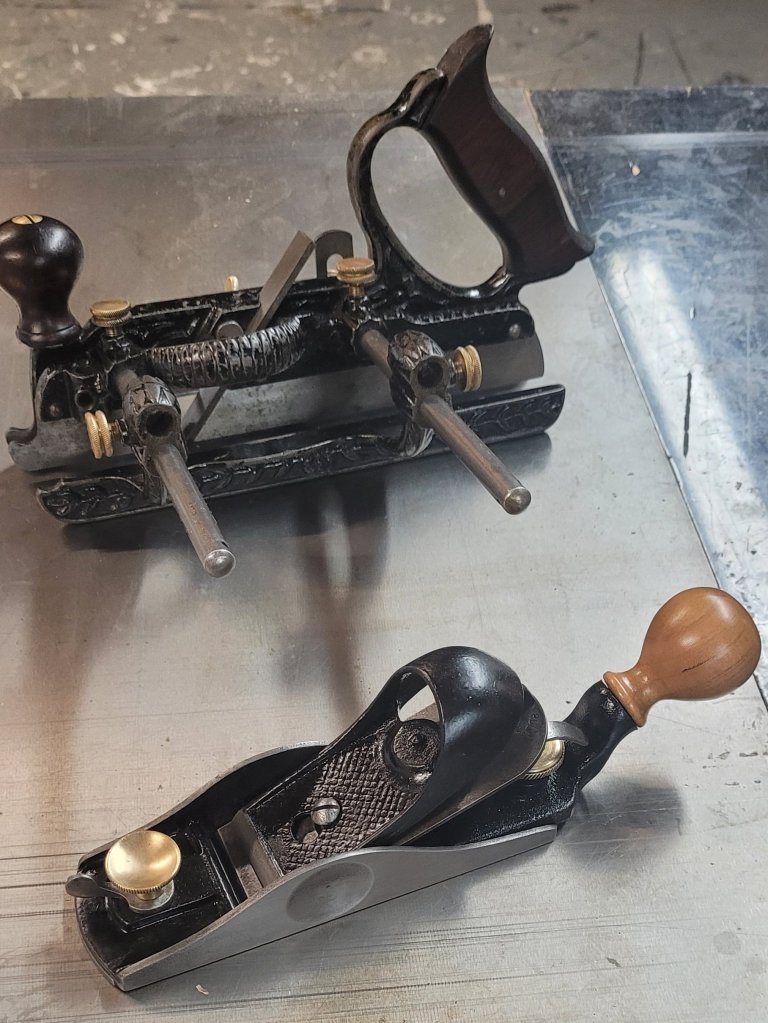
After a couple of weeks, when the japanning dried, I put the plane together to see how everything turned out. As you can see, my japanning looks similar to the old Stanley 45 japanning behind it.

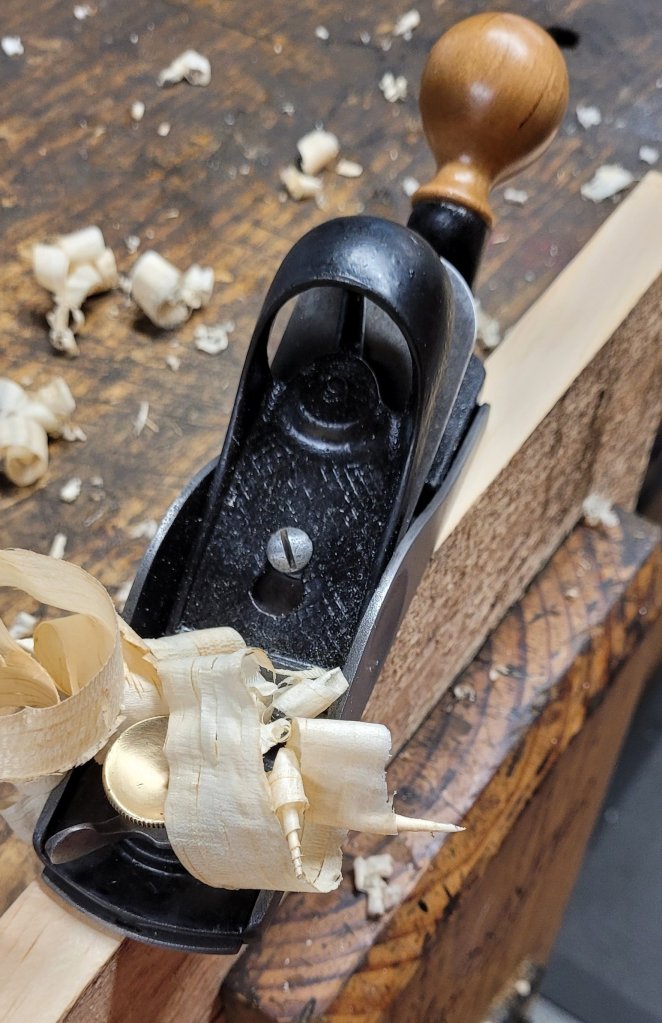
The only thing left to do was to sharpen the blade and try it out. The plane works fine. Ironically, the handle doesn’t make the plane cut any better, which begs the question, what was the purpose of them? The one thing I hear is that they were good for craftsmen who have arthritic hands, making the plane easier to hold.

Honestly, I don’t know how often I’ll use this plane as I already have a couple of my favorite block planes that I use, but it’s still a fun plane to own.

Craftsman Made Plane

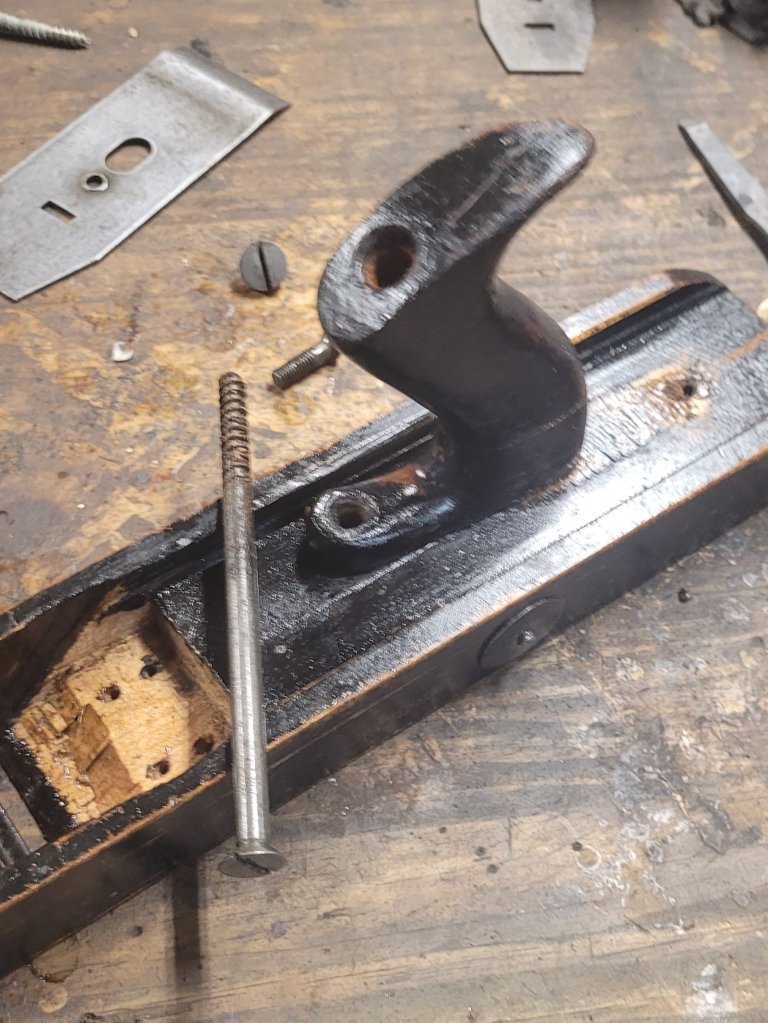
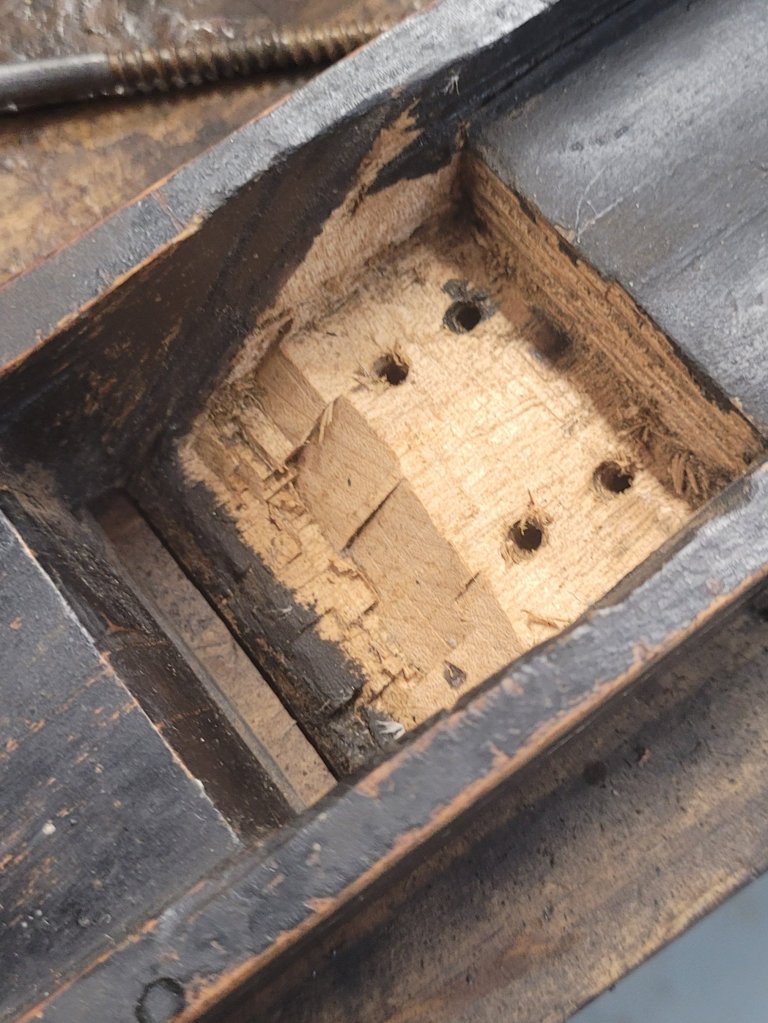
Several weeks ago, I won this craftsman made hand plane on an auction site. When I first looked at it, I thought the body was made with three pieces of wood laminated together like a Krenov plane, but after studying it, I realized it was one single piece of wood. There are a couple of rivets through the body, but I don’t know what purpose they serve.

I’m not sure what the story of this plane is, but it looks like the craftsman owned a Sargent plane that broke, so he made a custom wood body out of mahagony and turned his plane into a transitional plane. You can see the chisel marks as he dug out for the frog, which adds a cool factor to the plane.

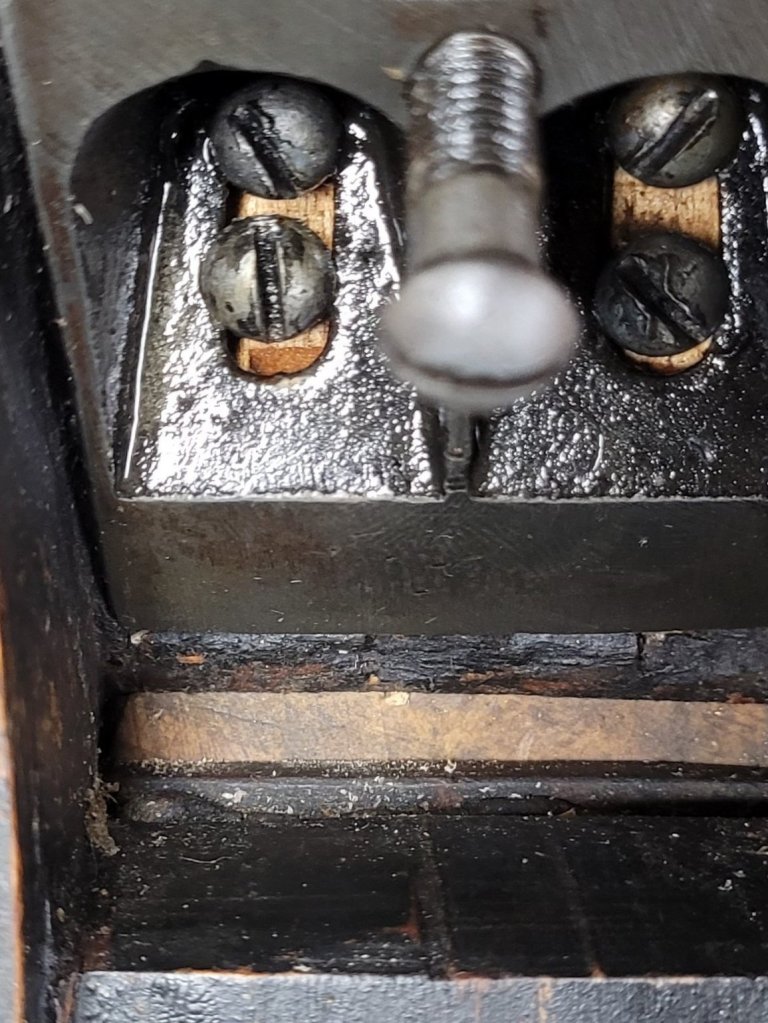
For whatever reason, he used four screws to hold down the frog to the body. It allows for very little advancement of the frog, but the plane still functions fine.

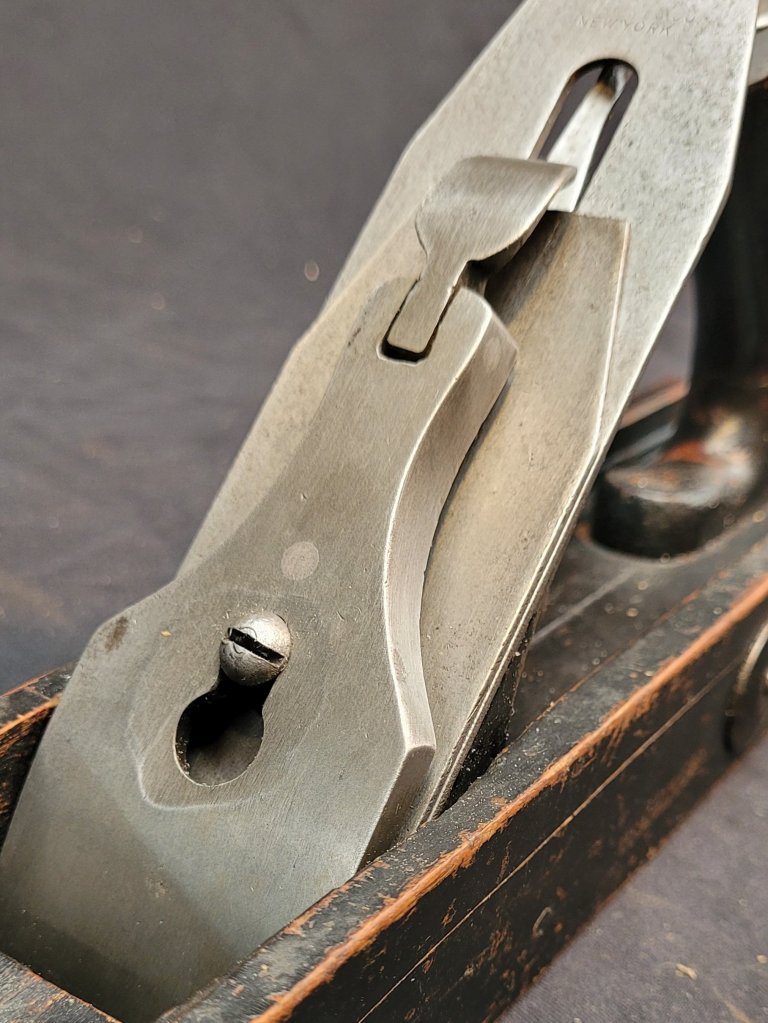
The owner also grounded the face of the lever cap down, which seems odd. You would think the original lever cap screw would have worked just fine, but maybe this screw is a replacement.

Luckily, I know the name of the craftsman of the plane (at least the last name). C Heiland is the person who made the plane. I googled “C Heiland Woodworker,” hoping I would find some information about him but had no luck. It would be awesome to have some provenance on the plane.

It’s a neat plane to look at, but I wanted to see how it performed, so I sharpened the blade and put it to work. The plane performs admirably. It was much better than the Buckeye plane I tried out from a few weeks ago.

A Half Blind Dovetail Chisel

I’ve owned this 5/8″ firmer chisel for years. I’ve kept it around because I always wanted to reshape it and turn it into a chisel to clean out half blind dovetails but never got around to doing it. Since my wife is out of town, I have a lot of shop time right now, so I decided today would be the day.
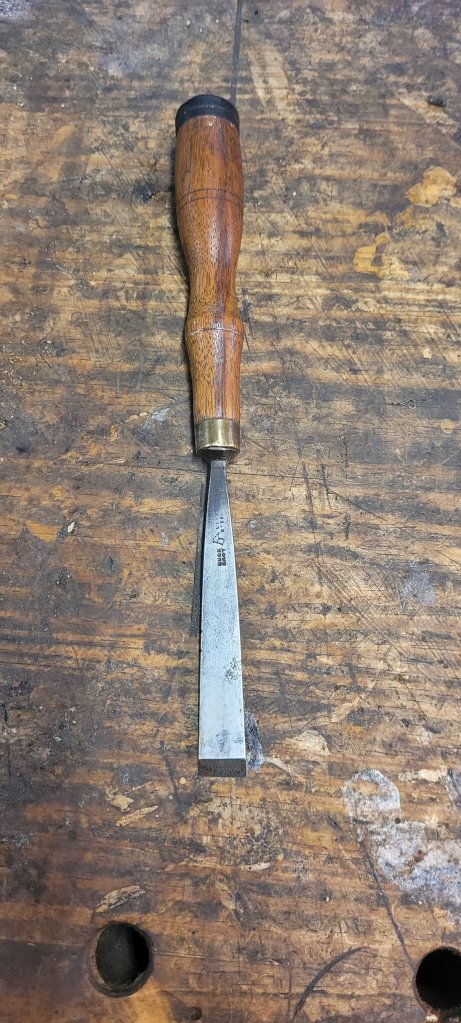
I used a sharpie to lay out a rough idea of what I wanted the blade to look like. I wanted it to be flared out on both sides, so when I clean up the inside of half blind dovetail pockets, the blade will get all the way into the corners.

I took the chisel over to the bench grinder and carefully and slowly ground away the sides so as not to burn up the tool steel and have it lose its temper.

After a few minutes of grinding, I was happy with the overall look of the chisel. It wasn’t perfectly symmetrical on both sides, but I didn’t care. I would be the only one to use it, so I don’t have to impress anyone with my craftsmanship.

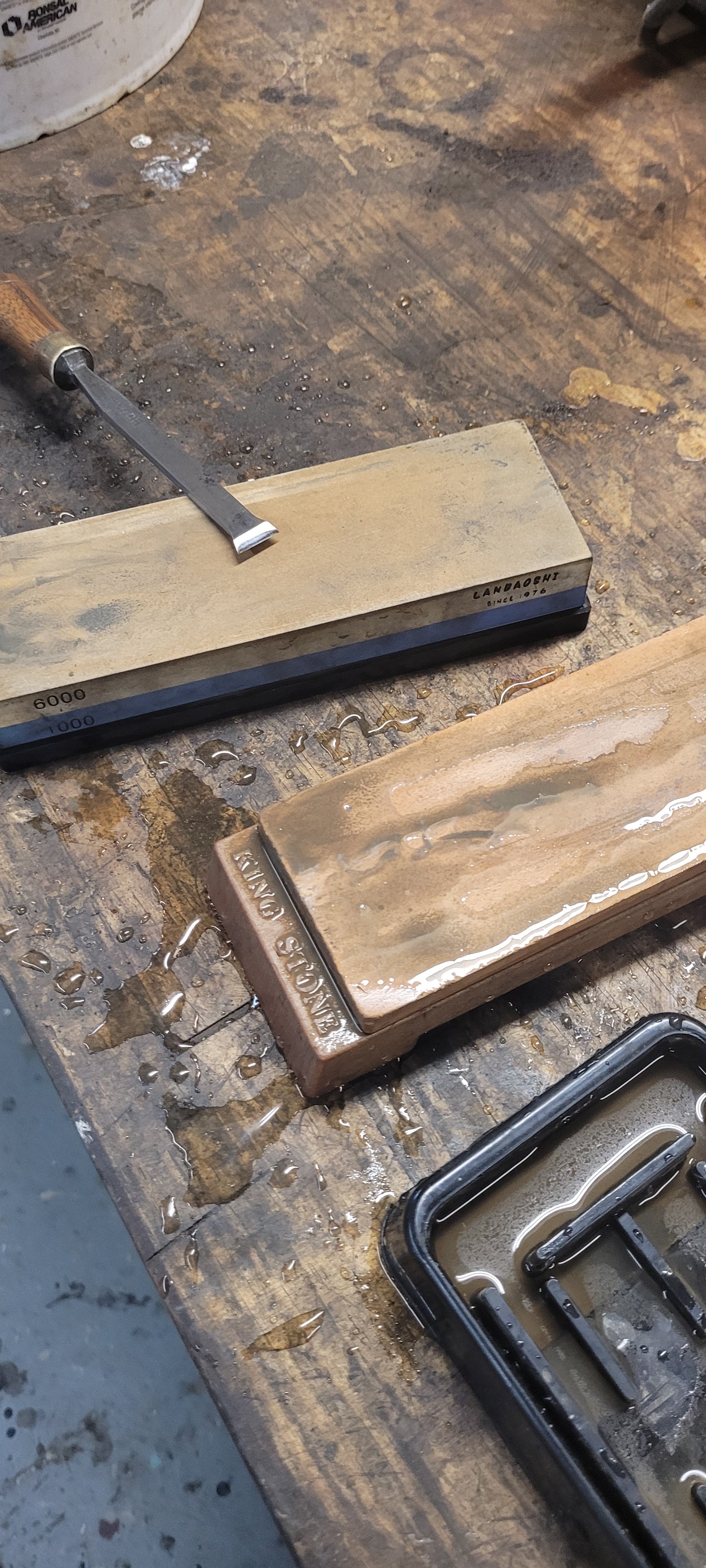
I then went on to sharpen the blade with my water cooled sharpening machine and a few water stones to hone the edge. I then polished the back of the blade to a mirror finish just in case I did get a visitor in my shop and wanted to impress them. Lol

After the chisel was sharpened and honed, it was time to see how it worked. I laid out a few half blind dovetails and sawed and cut out the waste with some bench chisels. Then I tried cleaning up the sides and bottoms with my new dovetail chisel. Sure enough, it cut beautifully! I was able to get into the corners of the pocket with this chisel, something that I had a hard time doing before with my normal bench chisels.

I made a little holder for the chisel and added it to my tool cabinet door. I put off doing this project for years, thinking it would have taken a lot of time to complete, but it ended up only taking about an hour. Figures.

Ash Display Cabinet

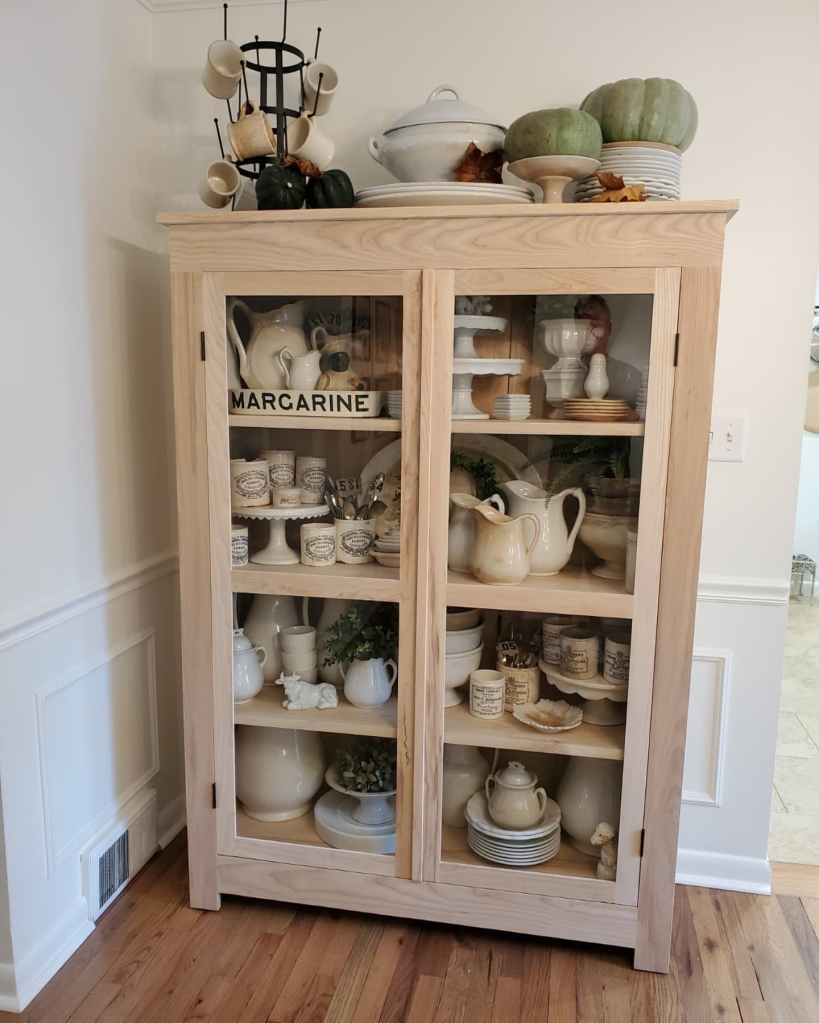
The ash display cabinet I’ve been building for Anita is finally done. Took longer than I wanted but, working full time, restoring and selling antique tools, and doing honey-do lists around the house has eaten up all of my time. Anita will eventually put handles on the doors once she figures out which ones she wants, but for the most part, it’s done.

The cabinet is 48″ x 66″ x 16″ and is the first piece of furniture I made without using a single piece of plywood. I would have at least liked to have made the shelves out of 3/4″ plywood but my lumber supplier doesn’t carry it. The piece is extremely heavy and cost me about $500 to build. But, it’s still way cheaper than the $1600 price tag that was on the one at Pottery Barn. Plus, this is made from American hardwood and not some junky looking Chinese lumber.

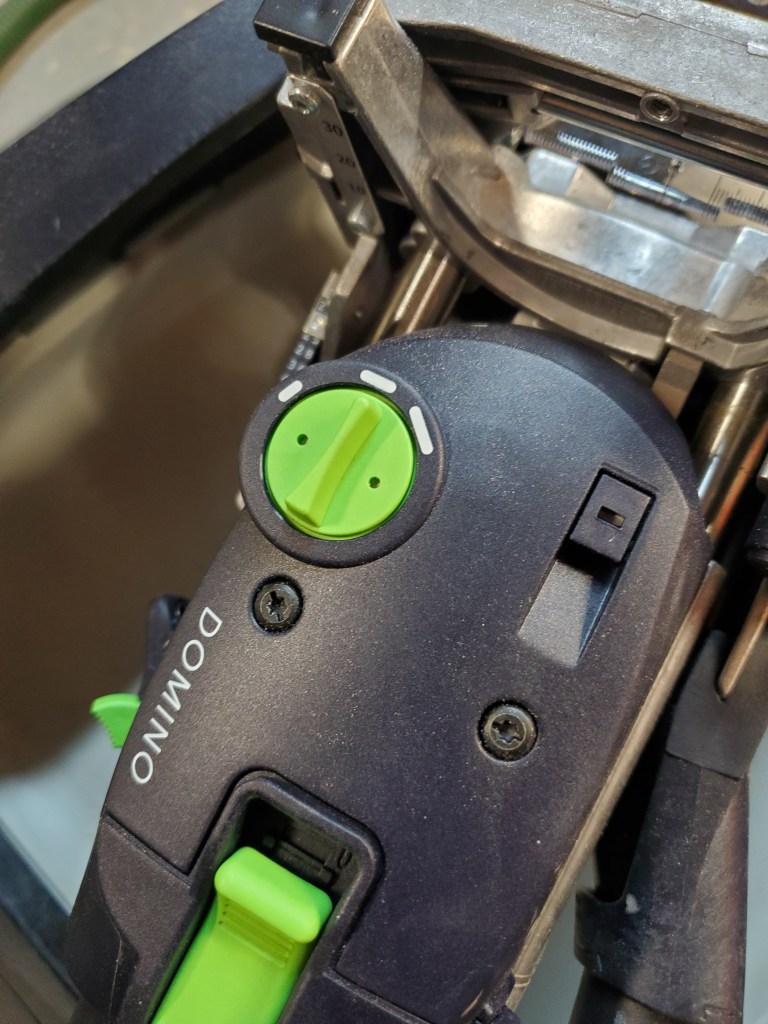
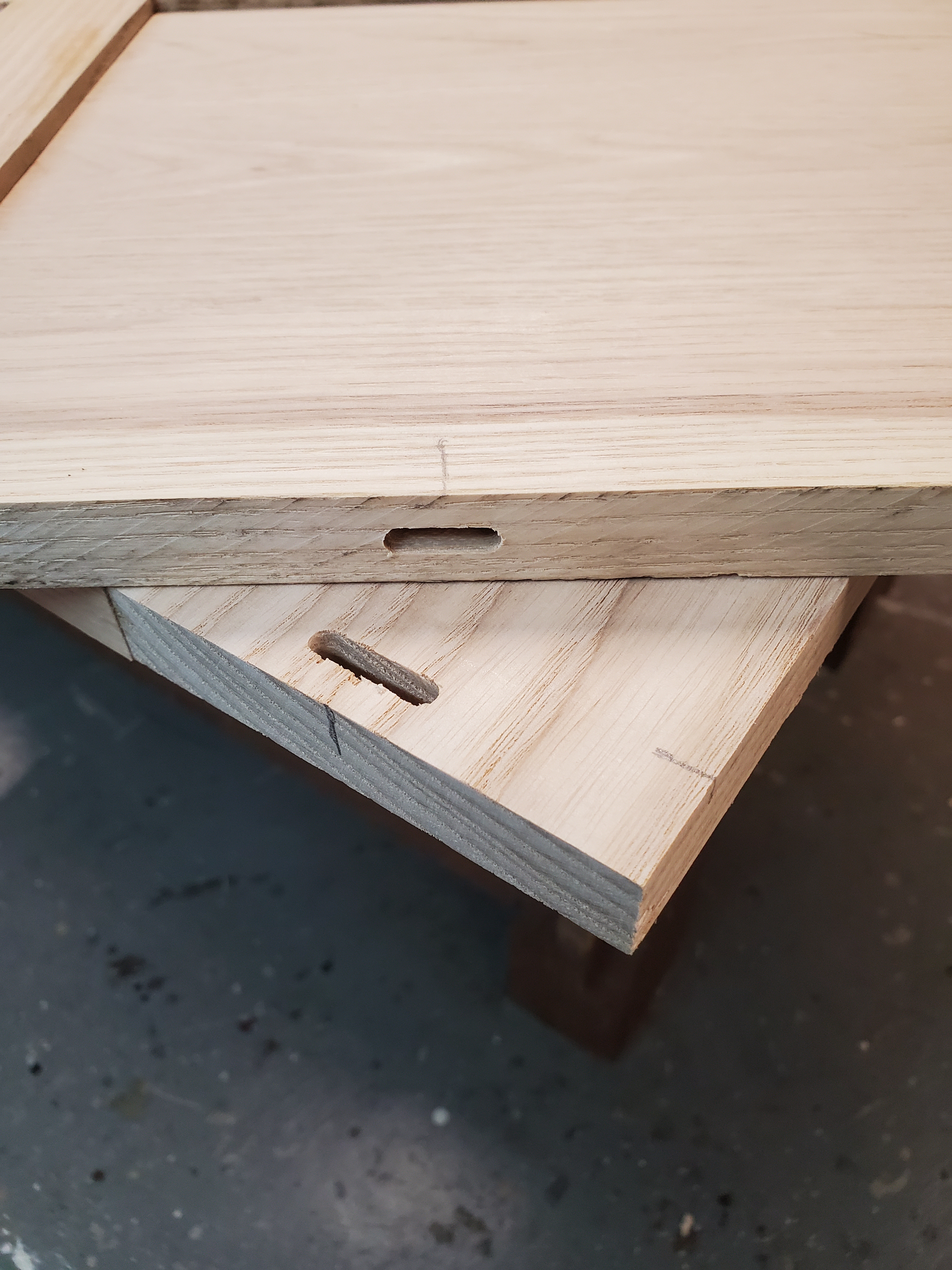
To help speed up the build, I went out and bought a Festool Domino. I waited ten years to buy one until the day I could afford it, but that day never came. So, I bit the bullet and bought the tool as well as the Domino kit with the extra drill bits. So far, I love the tool. I was told by the sales rep at the store that you set the tool on the first setting one one side of the board, then switch to the second setting for the other side of the board. The wider slot gives you a little bit of play when aligning the boards similar to using a biscuit joiner.

I used the machine for the case as well as the joinery on the glass doors and it performed wonderfully. The Domino is one of those tools you wished you would have bought sooner.

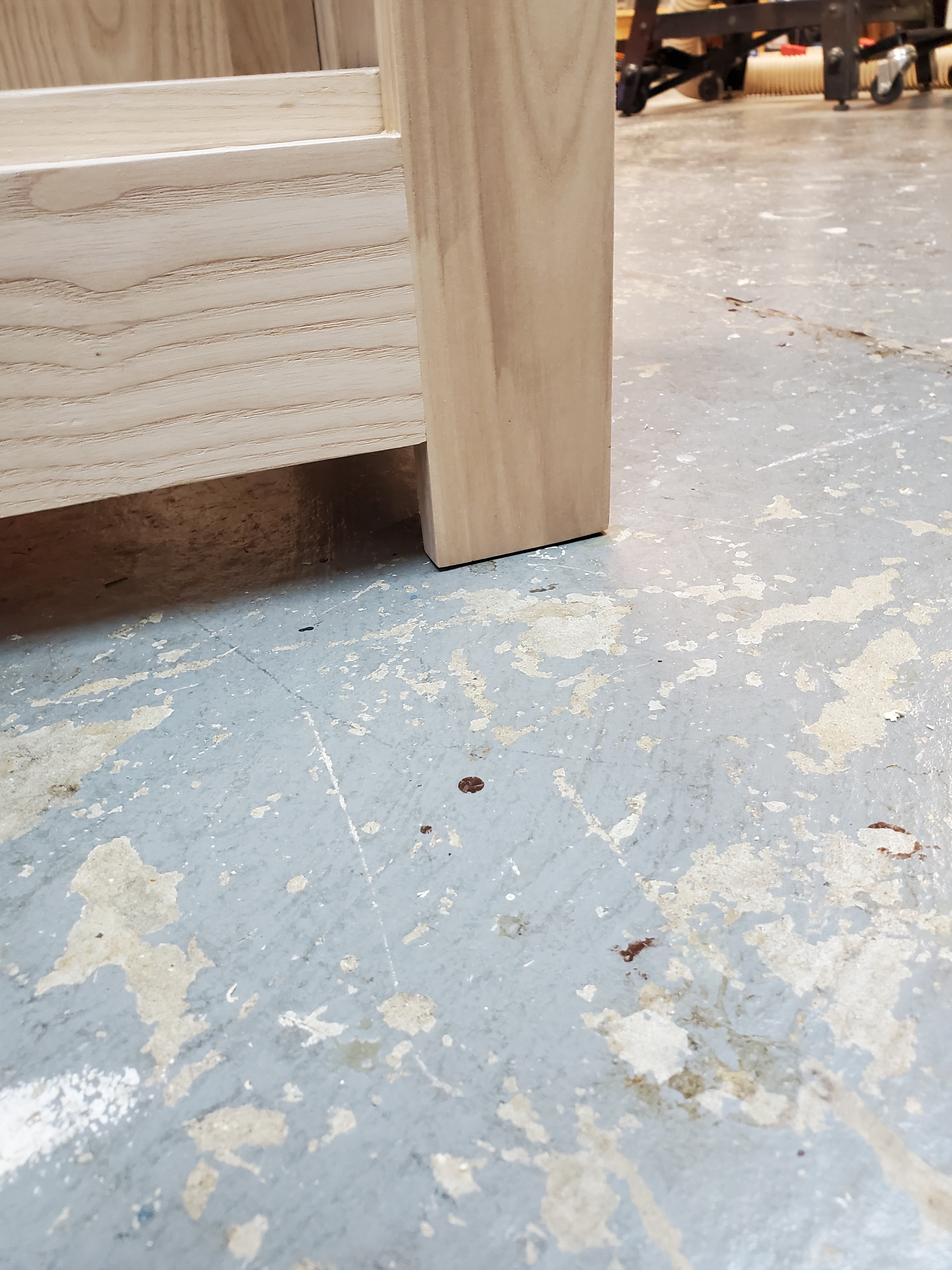
The other thing I did differently on the piece versus others I have built was to put feet on the cabinet. In years past, when I built something, the sides of the case would be the feet of piece of furniture but, after studying antiques over the years, I noticed that the well built pieces would have feet glued to the bottom. This helps protect the sides by lifting them off the floor by a 1/16″. Having square feet also makes sticking furniture pads on the bottom a lot easier.

I already wrote about the wooden shelf supports a few weeks ago here. They work exceptionally well and can hold a massive amount of ironstone. I can’t even imagine all that weight on little brass pins.

Anita loves the cabinet, I love the cabinet, her friends love the cabinet, people on Instagram love the cabinet. It’s been a big hit and the money I saved building it, paid for my Festool Domino.. (see what I did there?)

Soupin’ Up a Stanley Surform File

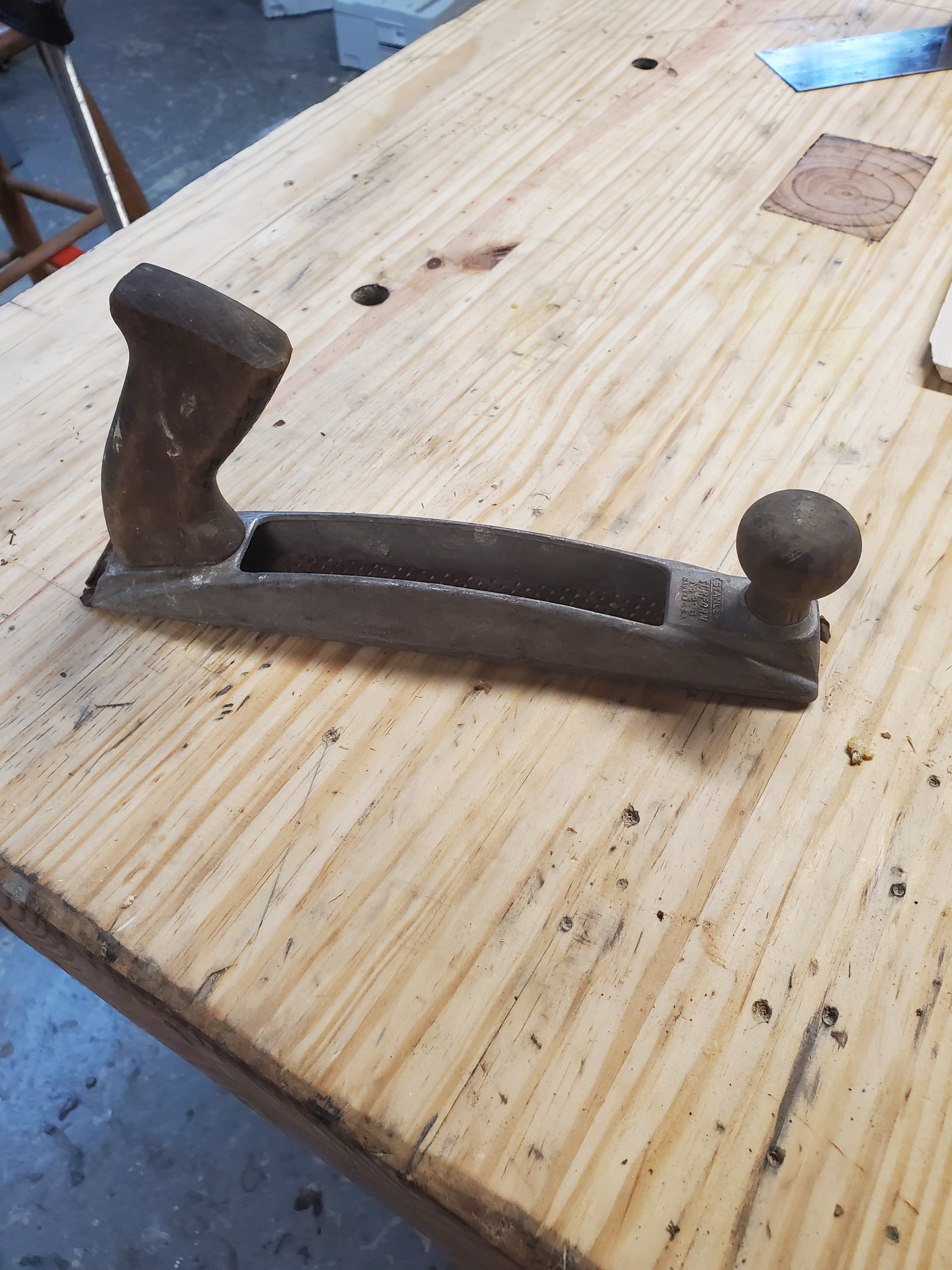
Last weekend I bought this Stanley No 296 Surform File at a local antique show. When I first got into woodworking, I would use these things to round over boards when making wooden sailfish and ducks in junior high shop class. I hadn’t used one in years but for $5.00, I figured I’d play with one again.

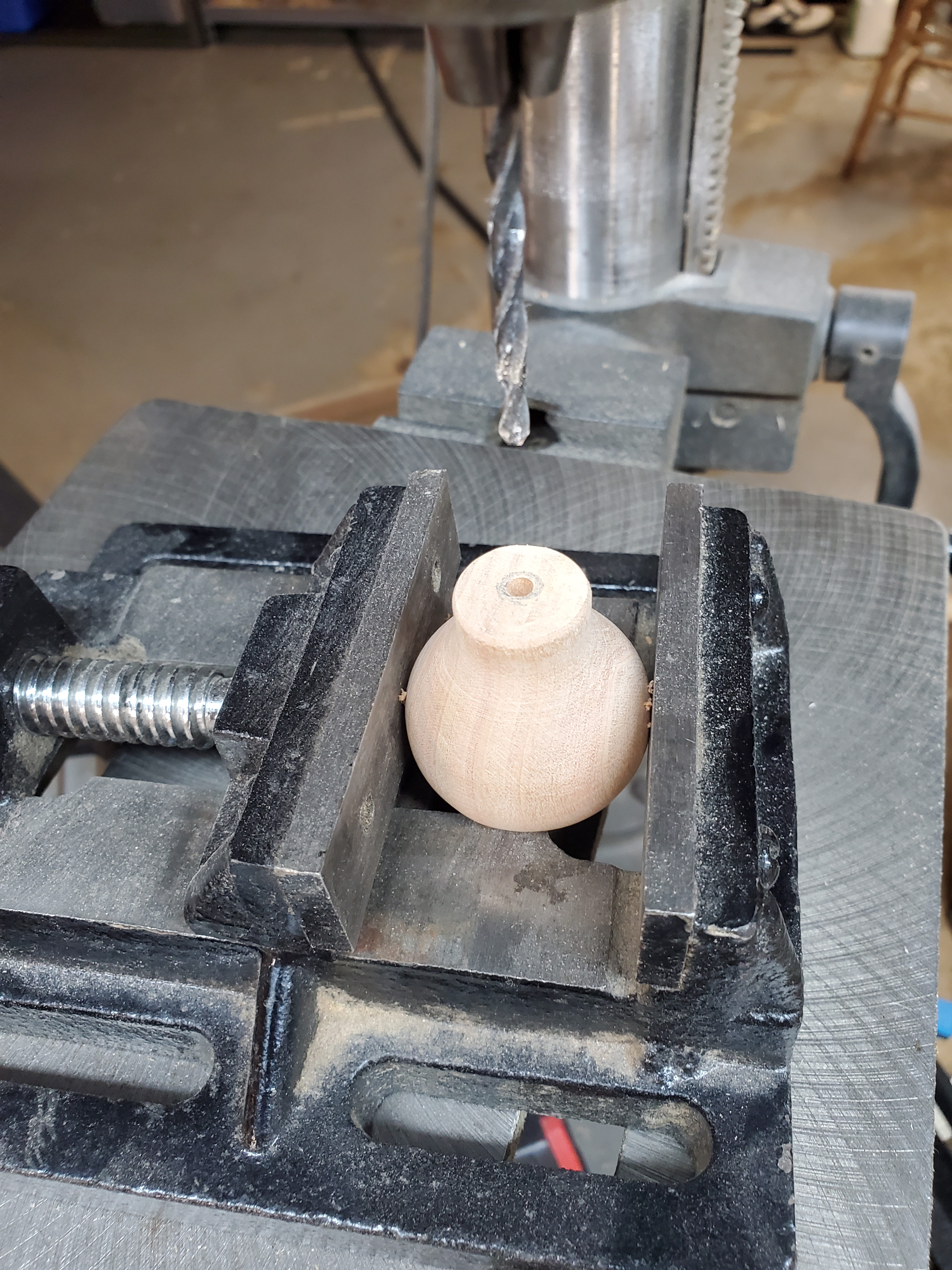
I hated the handles so I grabbed a piece of 2″ square cherry and turned a new knob. The diameter of the knob is a little bit bigger than the original, but I had to keep the base the same diameter so it would sit it the recess of the body.

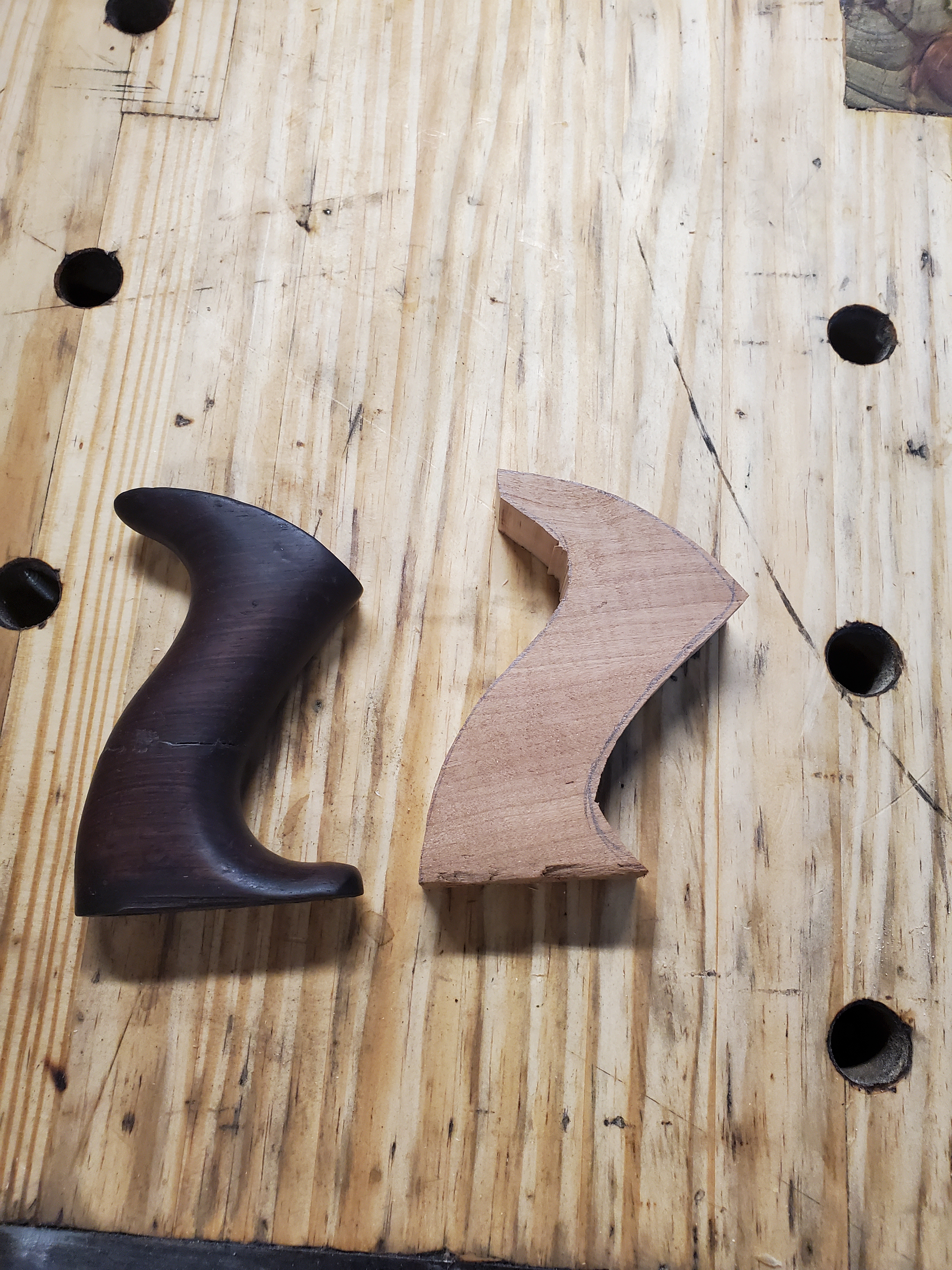
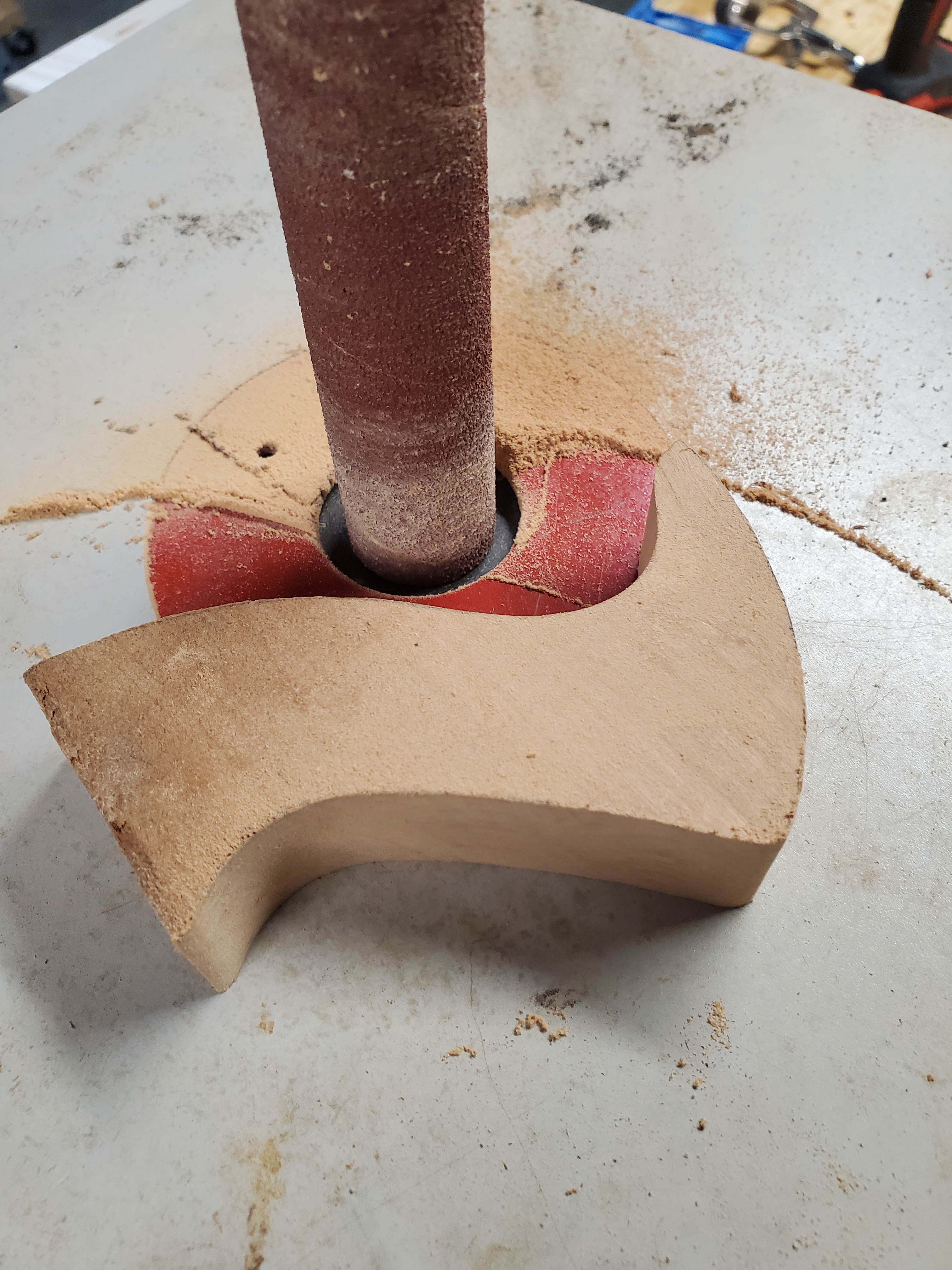
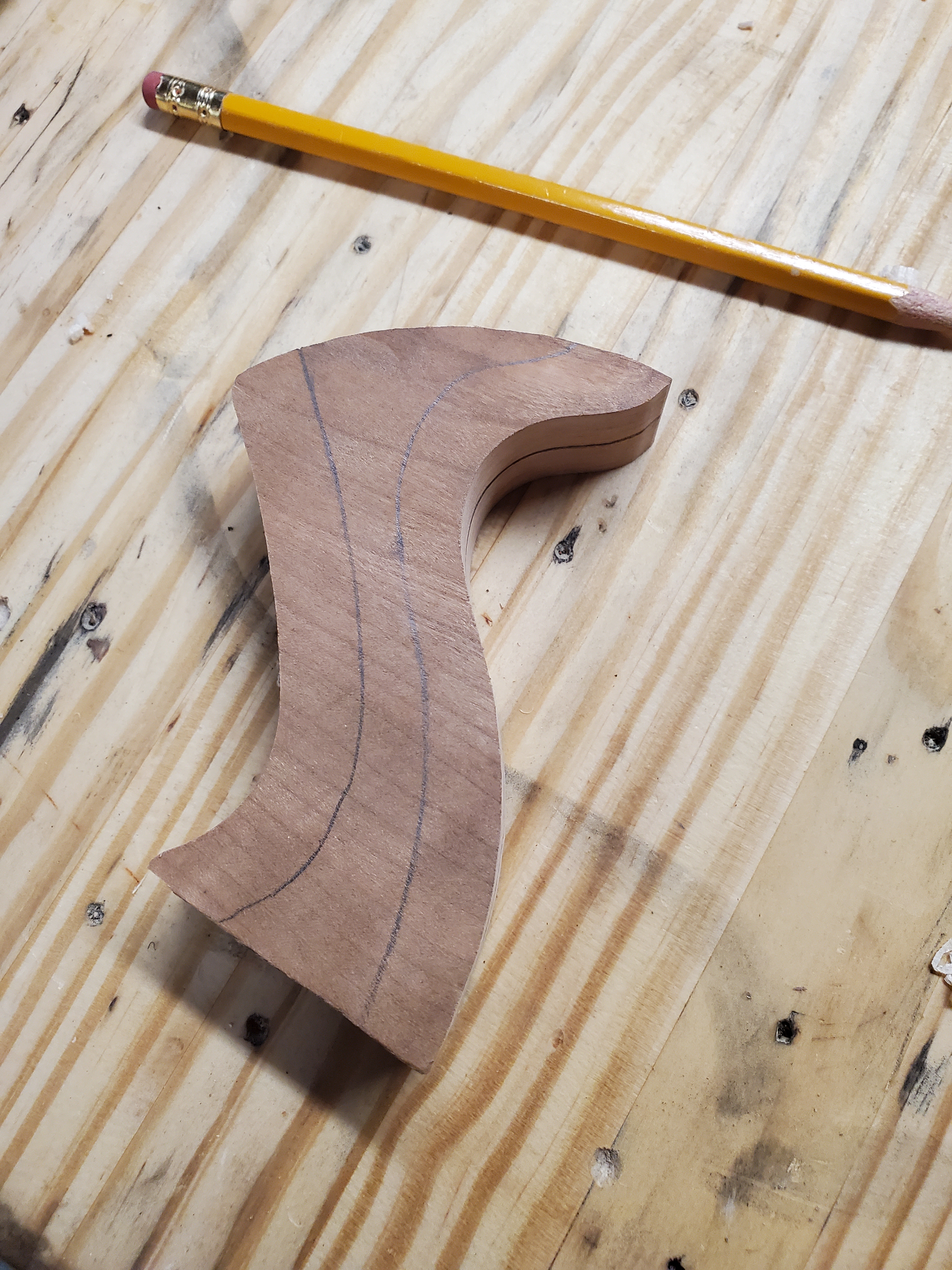
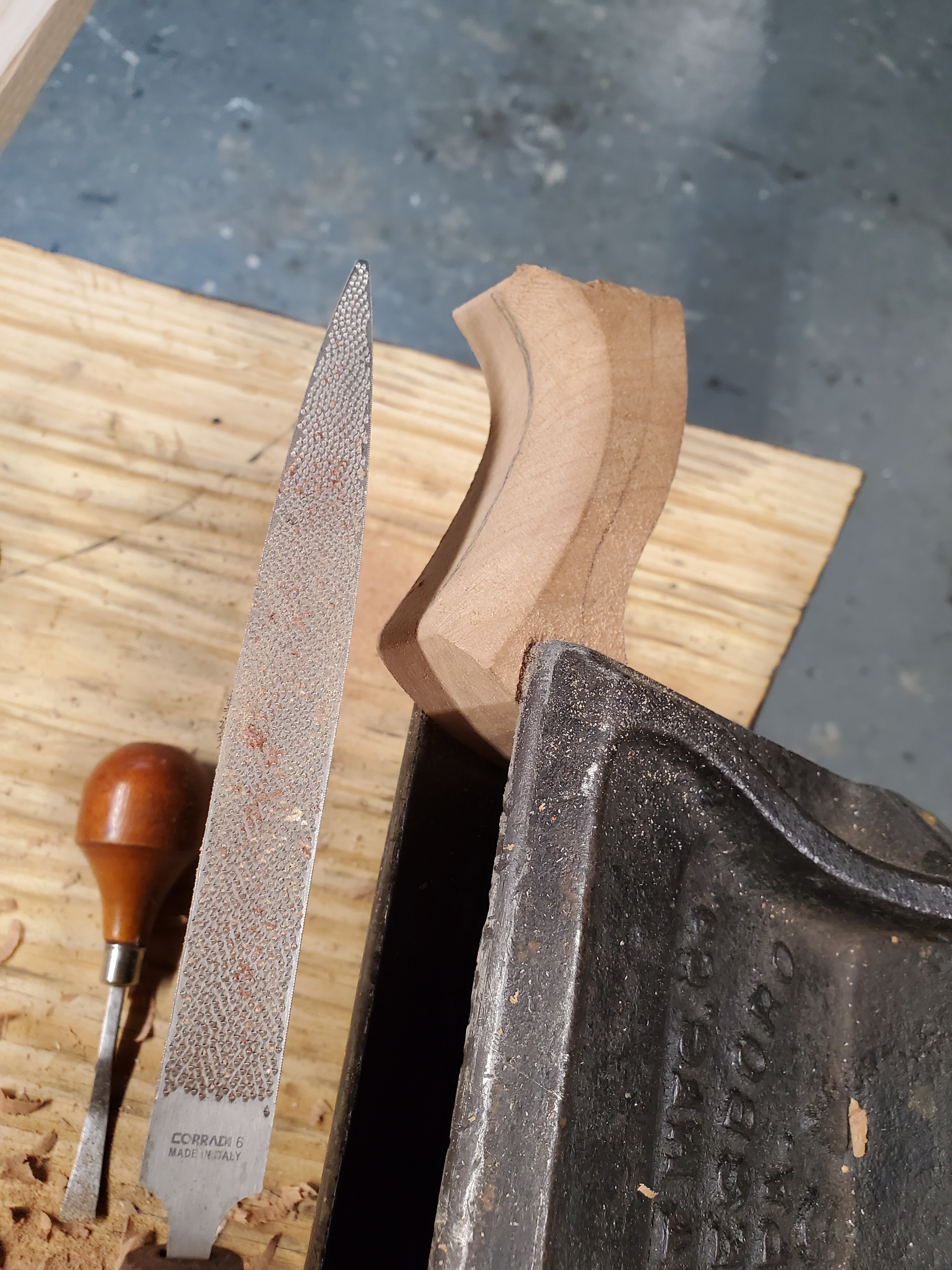
I then grabbed 1″ thick cherry and used an old Stanley tote as a template for the new handle. I then cut it out on the band saw and shaped it smooth with my oscillating spindle sander.

I then shaped it round with chisels, rasps, and files. I could have used a 1/2″ round over router bit but then again, I could also have cut it out with CNC machinery like most modern tool makers. The rasps and files worked just fine.

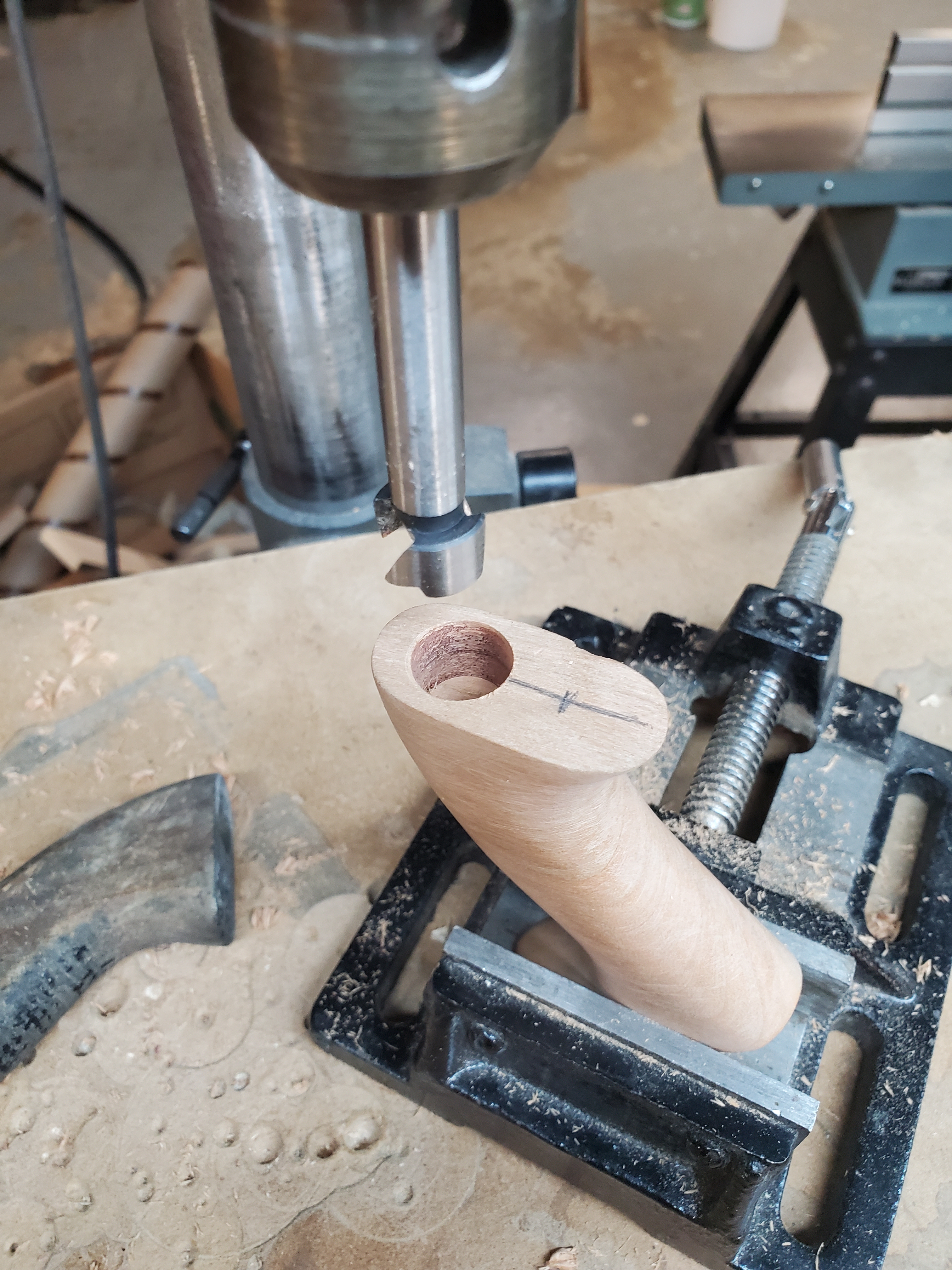
I drilled a couple of holes underneath to fit on top of the fitted body. I simply used the original tote as a template of where the holes needed to be drilled.

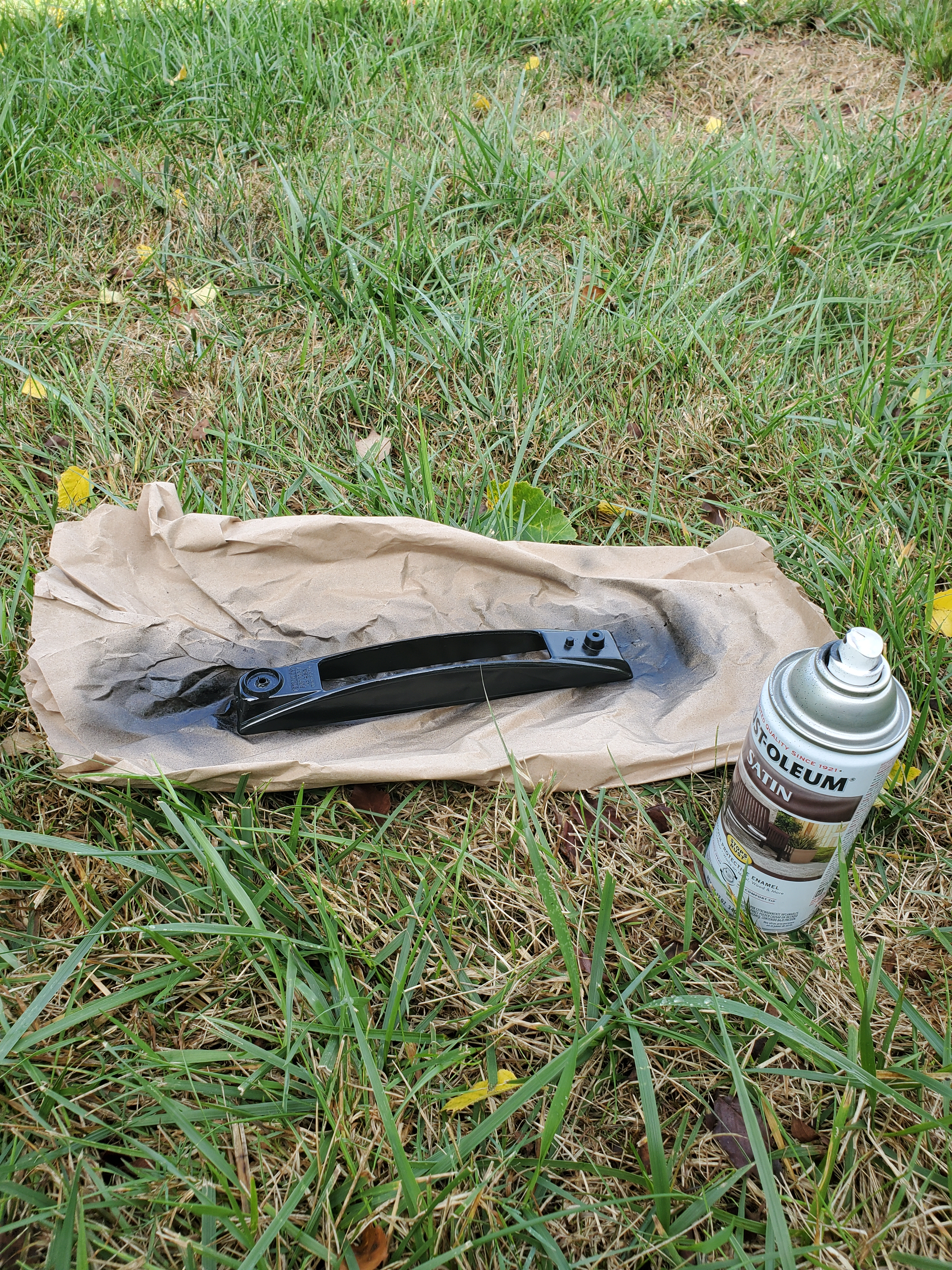
A quick spray paint job on the aluminum body did the trick. After a few coats it was done.

After assembling the parts back together and buying a new replacement blade, the rasp looks better than ever. What’s nice about these tools is that Stanley still makes them so buying replacement blades are super easy as every hardware store sells them.

I now own the coolest surform file in Cincinnati. It was a fun little weekend project.

Resizing another Shelving Unit

I was in the process of building another shelving unit for my wife’s new booth in Milford, Ohio. She originally asked me to build it four feet long. However, once I started to attach the shelves to the unit, she wasn’t too thrilled with the overall dimensions. I asked if she wanted it cut down to 36″ long instead of 48″, but she was afraid that it would be too much work. I assured her that I could cut it down without much problem.

20170916_143343.jpg

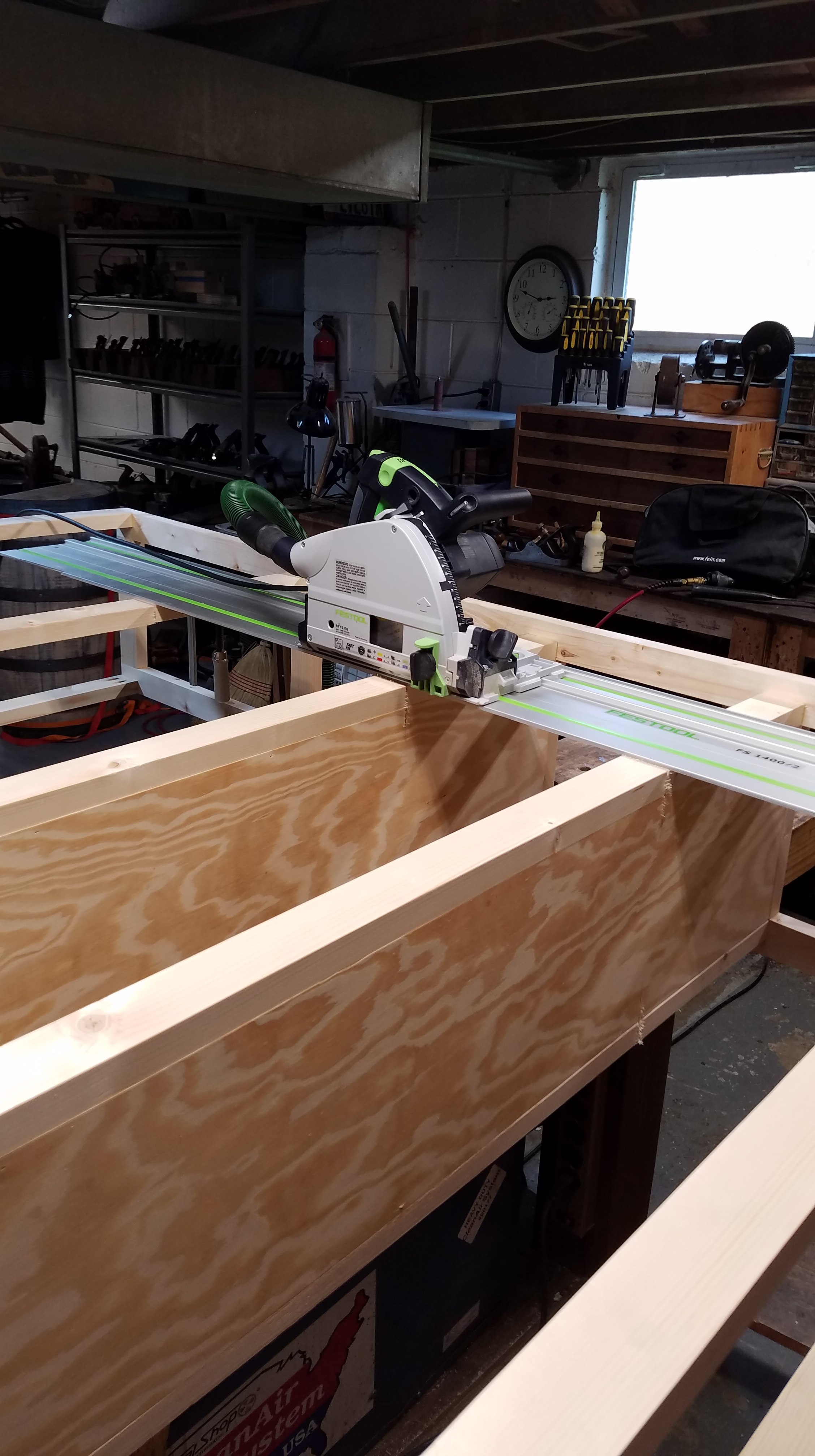
I slapped the unit on top of my workbench and carefully measured where the rails were to be cut. I then grabbed my Festool plunge saw and rail system, clamped it to the lines and ran down the rail cutting as deep the blade would go.

20170916_145039.jpg

I then flipped the unit off the bench and cut the two attached shelves in half.

20170916_145418.jpg

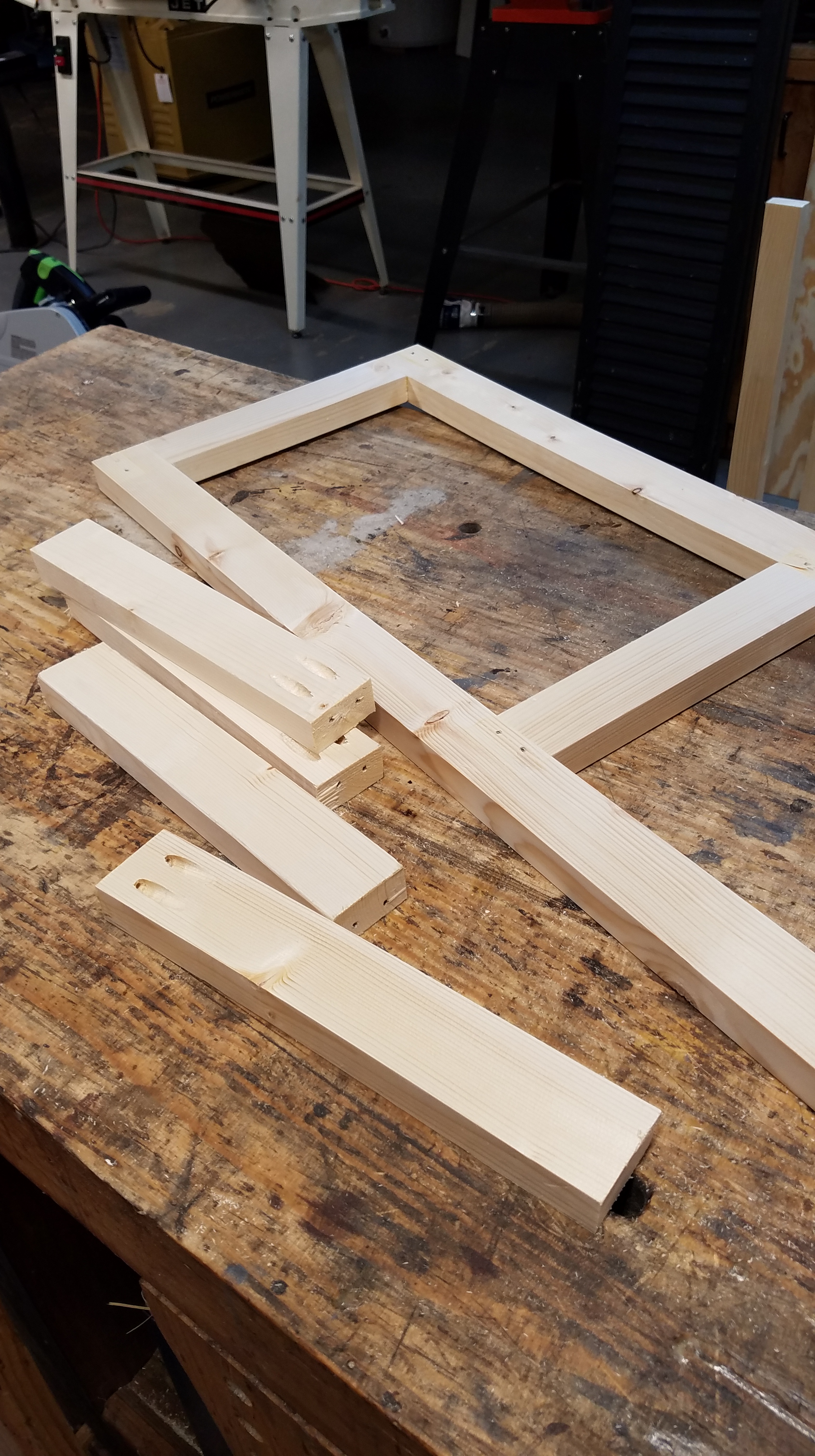
After one side was free, I unscrewed the pocket holes and broke away the rails with a hammer. I then cleaned the side up with a random orbital sander.

20170916_145846.jpg

I then flipped the other side of the unit back onto the bench and re-drilled the pocket holes to the shortened rails. For the two shelves that already had plywood nailed in place, I had to bust out the plywood with a hammer.

20170916_151515.jpg

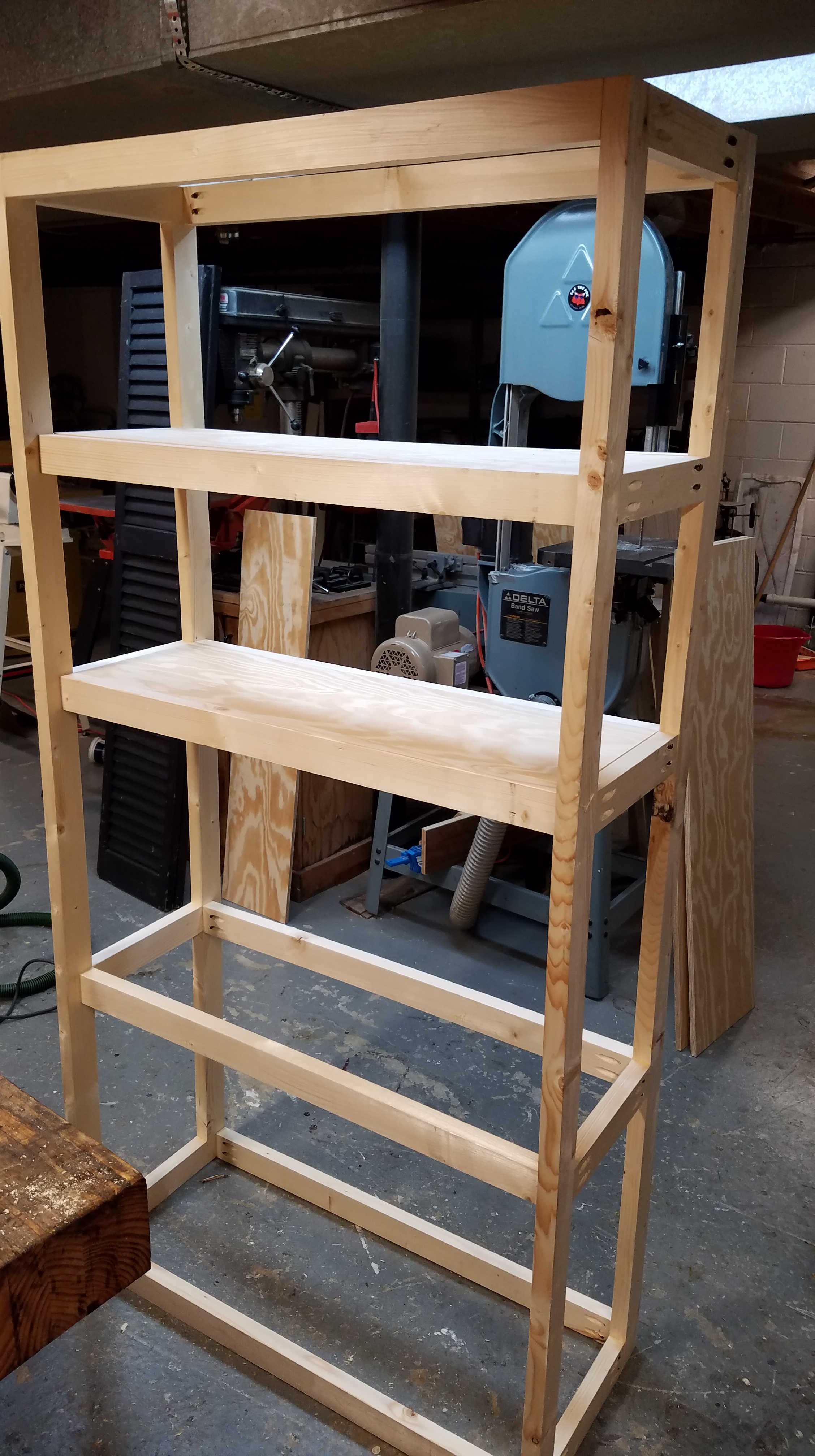
After about twenty minutes, the shelving unit came back together a foot shorter. I cut the remaining plywood to the new measurements and installed them using cleats on the inside of the rails.

20170916_153255.jpg

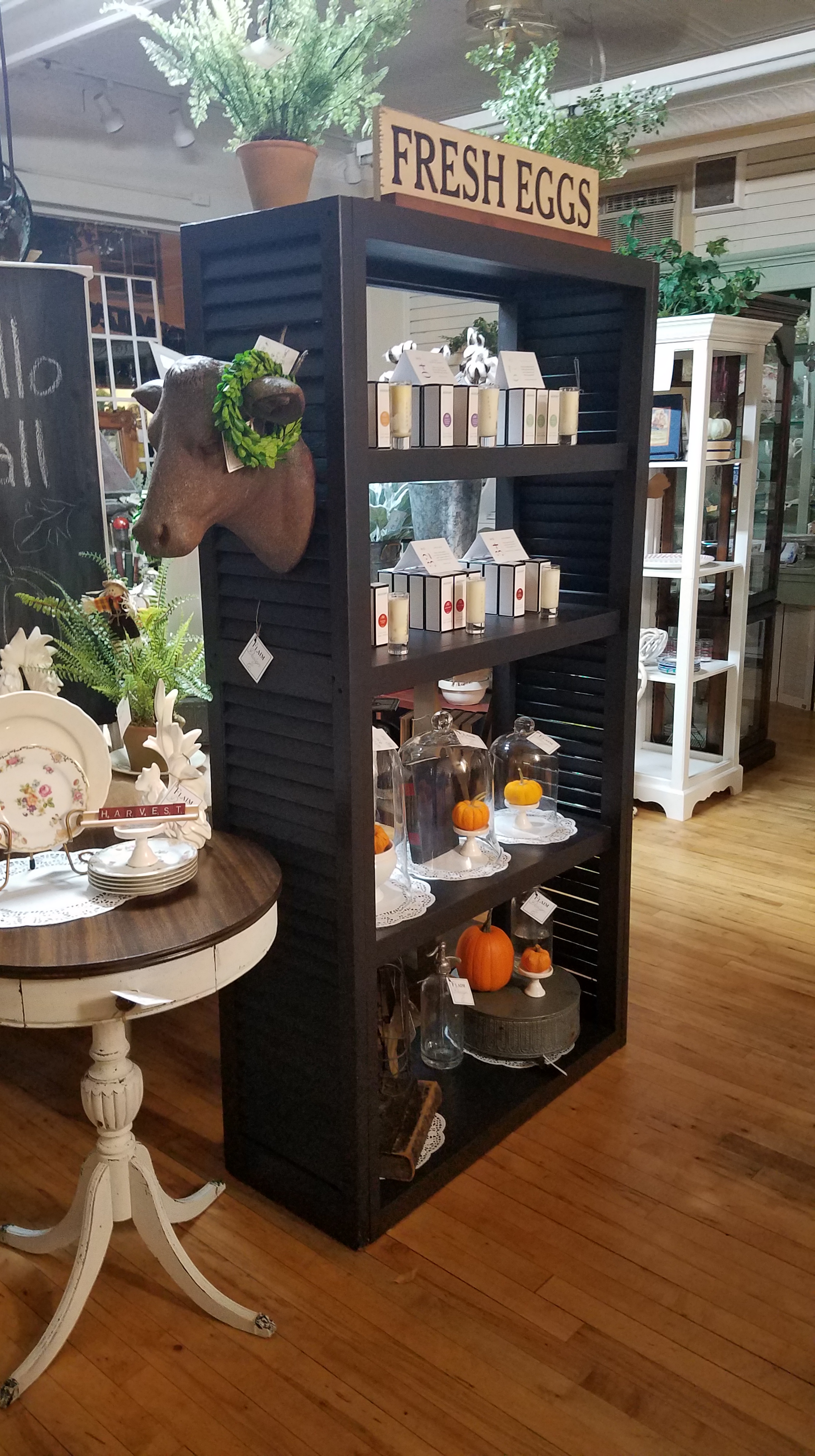
Now it was time for the antique shutters to be screwed onto the sides.

20170916_184259.jpg

After a coat of black paint, the shelving unit looks really nice in her new booth.

20171012_202337.jpg

CET Action Auction

It’s that time of year again. Time for my local PBS station to hold their Action Auction where they auction off a bunch of items from donors around the Cincinnati area. Nearly every year I donate a shaker style table to them. The first few years, I made these tables out of nice cherry, however, the past couple of years I decided to build them with southern yellow pine to save on the costs. I make these tables out of a single 2 x 8 x 8 I buy from Lowes for around $6.00. I wrote a blog about it a few months ago. http://wp.me/p1gfza-d2

I painted the table using chalk paint which is a limestone based paint that is popular among people who repurpose and paint antique furniture. The paint leaves a chalky feel on the surface and with a bit of sanding, gives the piece an aged look. My wife, Anita, stenciled the lettering on for me to give the table a little bit something extra.

As you can see, the joinery is extremely simple. The stretchers on the top and bottom of the drawers have mortise and tenon as well as dovetail joinery, but the sides are simply pocket screwed together. The table is not going to be under a tremendous amount of stress so I opted not to mortise and tenon the sides to the legs in order to save time.

The custom work is left for the drawers. They are put together with hand cut half blind dovetails, but you can’t really tell since the sides are painted. I probably spend more time cutting those dovetails than I do on the rest of the piece.

It’s a simple piece that will be a nice little accent table in someone’s living room or foyer. The Action Auction takes place in a couple of weeks and my table will be auctioned off sometime during the weekend. The table should do well since painted black furniture is really popular right now. Anytime I make a bookcase for my wife so that she can sell it in her booth, it sells within a week. All I know is that it’s fun to see my furniture on TV.  I really don’t get anything out of it other than a good feeling from helping out my local PBS station that continues to keep The Woodwright’s Shop on the air.

The importance of making a prototype

So I was hired to make a case for this thing. It’s a custom-made electric guitar amplifier. The guy who made it has no woodworking ability and was looking for someone to make a case for him. He really didn’t care how it was made, just so that the inner components could be taken out and put back in if need be.

I’ve never made an amplifier case before and wasn’t sure how to design one with a removable back so I knew that making a prototype would be a must. Scrounging around in my shop I looked for old pieces of scrap plywood and off cuts of hardwood. I gathered up some wood and made a simple box put together with pneumatic staples and drywall screws.

The idea for a removable back was simple. Screw on the top and route grooves down the side so that the back could slide up and out-of-the-way. The prototype worked and was easy to make which is what I was after because I wasn’t making a killing on the box anyway. More of a favor for my stepson’s friend.

Now it was time for the real deal which was easy because I already knew how to make it and already made my mistakes on the prototype. Anytime I make something, it’s usually the first time I make it. As I measure and cut and drill, I inevitably make a mistake or two. I often find out that the second time I make something, that I learned from my mistakes on the first one and make the second one so much better. It’s one of the reasons I cringe when people ask me to do commission work. I’d much rather have a product line of pieces that I already know how to build and build quickly.

I made the amplifier out of hardwood cherry and maple plywood for the front and back. It came out flawless! The only real differences I made between this and the prototype is I rounded over the edges to give it a better look, added a piece of wood to the sides so that I could move the screws that hold down the top away from the edges so they wouldn’t interfere with the round overs and eliminated the vent holes on the back panel.

The good thing was making the prototype only took about an hour but it saved me so much time and material working out some of the bugs in the design process. Plus I screwed up on the cheap throw away wood instead of ruining the nice expensive stuff.